

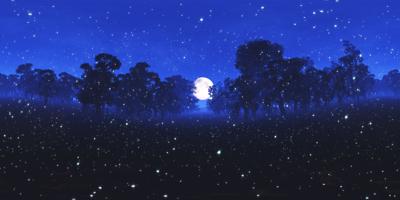
Within various regions of the Southeast, a subtle spectacle reveals itself through the actions of an enigmatic firefly. These insects stand out as a mesmerizing phenomenon that captivates both scientists and casual observers alike.
Blue ghost fireflies belong to the family Lampyridae and are renowned for their distinct bioluminescence and elusive behavior.
The blue ghost fireflies, scientifically known as Phausis reticulata, are a miniscule enigma that comprises a small part of nature’s larger mystery.
What makes the blue ghost fireflies stand out is their unique bioluminescence. Unlike most fireflies that emit a yellow or greenish glow, the blue ghost fireflies produce a soft, bluish light.
This blue light results from the chemical reaction involving luciferin, luciferase, and oxygen, which occurs within specialized cells called photocytes.
The distinctive blue hue is due to the unique properties of the luciferin used by these fireflies, which absorbs and emits light at different wavelengths than other firefly species.
The behavior of blue ghost fireflies is equally as intriguing. They are known for their unique flashing patterns, which differ from the typical rhythmic flashes of other firefly species.
Instead of producing intermittent flashes, blue ghost fireflies emit a continuous, steady glow. This constant luminescence is created. Though speculated to be part of a mating ritual, the unique bioluminescent effect of the fireflies is a matter of speculation within the scientific community
The habitat of blue ghost fireflies is another aspect of their mysterious allure. They are predominantly found in the Southeastern United States, particularly in the Appalachian Mountains and surrounding areas.
These fireflies thrive in the humid, forested environments of this region, where the conditions are ideal for their reproduction and survival.
The forests provide the necessary moisture and cover, and the lack of artificial light preserves the darkness that enhances their bioluminescence.
Unfortunately, blue ghost fireflies face challenges similar to those of many other species reliant on unique habitats. Deforestation, habitat fragmentation, and light pollution pose significant threats to the already small population of these insects.
As human activities encroach into their natural habitats, it reduces the available space for these fireflies but also introduces artificial light that can disrupt their bioluminescent signals and mating behaviors.
Following the upwards trend of human expansion, the fireflies’ habitat is especially under threat. As a result, conservation efforts and awareness are crucial in protecting the delicate ecosystems that blue ghost fireflies need to survive.
The study of blue ghost fireflies extends beyond their ecological importance. Scientists are intrigued by the biochemistry of their unique bioluminescence. Medical research and environmental monitoring are some of the fields where further information surrounding bioluminescence can be applied.
The unique properties of the blue ghost fireflies’ light offer insights into the mechanisms of bioluminescence, potentially leading to innovations in technology and science.
Culturally, blue ghost fireflies hold a special place in the hearts of those who are fortunate enough to witness their luminous displays. They are often featured in local folklore and are a source of inspiration for art and literature.
The serene beauty of their light, combined with their elusive nature, makes them a symbol of the mysteries and wonders of the natural world.
This summer, I had the opportunity to observe blue ghost fireflies in their natural habitat. The experience was nothing less than surreal. After this experience, I understand why these fireflies are referred to as ghosts.
The faint pulse of their bioluminescent patterns is as eerie and haunting as it is captivating and mesmerizing.
In conclusion, the blue ghost fireflies are a testament to the beauty and complexity of nature.
Their unique bioluminescence, intriguing behavior, and the challenges they face underscore the need for continued research and conservation efforts.
As we strive to understand and protect these insects, we are reminded of the delicate balance of ecosystems and the profound impact that even the smallest creatures can have on our appreciation of the natural world.
























(0) comments
Welcome to the discussion.
Log In
Keep it Clean. Please avoid obscene, vulgar, lewd, racist or sexually-oriented language.
PLEASE TURN OFF YOUR CAPS LOCK.
Don't Threaten. Threats of harming another person will not be tolerated.
Be Truthful. Don't knowingly lie about anyone or anything.
Be Nice. No racism, sexism or any sort of -ism that is degrading to another person.
Be Proactive. Use the 'Report' link on each comment to let us know of abusive posts.
Share with Us. We'd love to hear eyewitness accounts, the history behind an article.