



Pharmacists from across North Carolina met at the General Assembly in Raleigh on Wednesday morning in a record-breaking turnout for the North Carolina Association of Pharmacists (NCAP) annual Legislative Day.
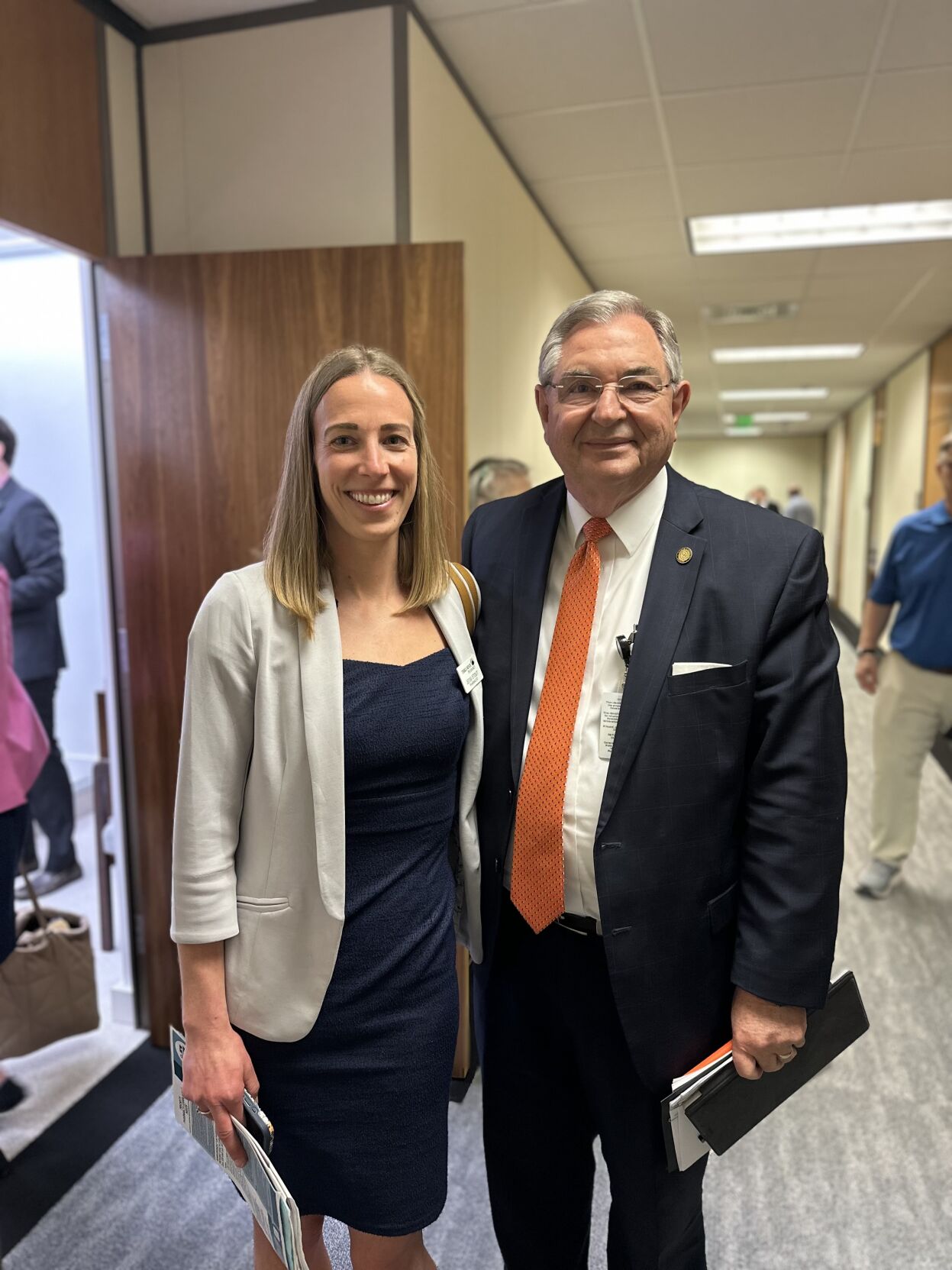
Among those in attendance was Jessi Stout, owner of Table Rock Pharmacy and Compounding in Morganton and a driving force behind the push for legislation aimed at reining in Pharmacy Benefit Managers (PBMs) and expanding pharmacists’ ability to care for patients.
Stout is a founding member of the Patients’ Access to Healthcare Coalition (PHAC), a grassroots group of independent pharmacists, physicians, and patients advocating for PBM reform in North Carolina. Through PHAC and NCAP Stout has helped lead local and statewide efforts.
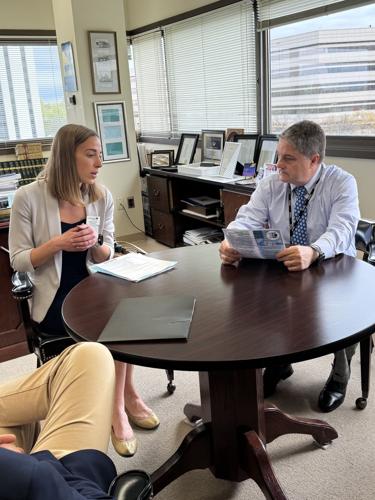
Stout and others spent the day meeting with lawmakers, including Sen. Warren Daniel and Sen. Jim Burgin, chair of the Healthcare committee, to advocate for bills like Senate Bill 479 (the SCRIPT Act) and House Bill 163, both of which aim to bring transparency to PBM operations and ensure fair reimbursement for pharmacies.
Daniel, a sponsor of the SCRIPT Act, shared that the issues that stand out to him include PBMs’ “monopolistic contractual power, the lack of competition in the industry, and their lack of transparency.”
“We talk every day about needing to understand what drives health care costs,” he said. “How can we know what is driving health care costs if we don’t require everyone to be transparent?”
Daniel also pointed to Federal Trade Commission findings (released in January) that some PBMs reimburse their own pharmacies at higher rates than they pay independents. “That is not driving down cost, that is eliminating competition,” he said.
PBMs, which serve as intermediaries between insurance companies, drug manufacturers, and pharmacies, have come under increasing scrutiny in recent years. Independent pharmacists say that PBMs often reimburse pharmacies at rates below the cost of the medications they dispense — sometimes less than what PBMs pay their own affiliated pharmacy chains.
The SCRIPT Act would allow pharmacies to decline prescriptions when reimbursements are unsustainably low, prohibit PBMs from favoring their own in-house pharmacies, and strengthen patient choice protections. Recently introduced House Bill 163, sponsored by Representative Hugh Blackwell, was heard in the House Health Committee on April 1. The bill includes similar transparency and fairness provisions, while also limiting audit frequency and protecting pharmacies from retroactive fees.
Pharmacists are also backing legislation such as SB 335 and SB 414, which would allow them to test and treat for common illnesses like flu and strep under statewide protocols — a move NCAP says could significantly expand access to care in rural counties like Burke.
Many of the bills are still early in the legislative process, but Stout is optimistic with both chambers of the legislature considering pieces. A similar measure, House Bill 246, which aimed to regulate PBMs, passed the House with bipartisan support last spring, but ultimately stalled in the Senate and died in December.
With participation from more than 80 pharmacy owners across the state, this year’s Pharmacy Legislative Day marks the largest turnout since NCAP began hosting them, an indicator of just how urgent the need for reform has become.
As conversations continue at the legislature, Stout hopes NCAP’s presence will not only lead to policy change but also remind lawmakers that for many North Carolinians living in communities like Burke County, brick-and-mortar pharmacies provide irreplaceable services.
“I believe our presence was recognized and our voices heard,” Stout said. “With ongoing momentum, I’m hopeful that we can pass PBM reform in North Carolina this year.”



























(0) comments
Welcome to the discussion.
Log In
Keep it Clean. Please avoid obscene, vulgar, lewd, racist or sexually-oriented language.
PLEASE TURN OFF YOUR CAPS LOCK.
Don't Threaten. Threats of harming another person will not be tolerated.
Be Truthful. Don't knowingly lie about anyone or anything.
Be Nice. No racism, sexism or any sort of -ism that is degrading to another person.
Be Proactive. Use the 'Report' link on each comment to let us know of abusive posts.
Share with Us. We'd love to hear eyewitness accounts, the history behind an article.