

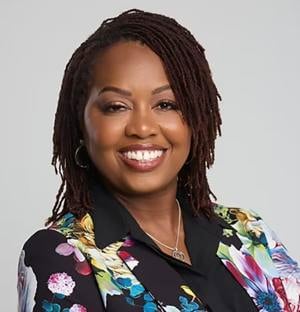
LaKesha Womack
- Email campaign@womack4nc14.com
- Phone 251-230-0512
CANDIDATE QUESTIONNAIRE
What experience, knowledge and personal qualities prepare you for this office? Cite specific evidence from your public, professional or community record.
For more than 20 years, I have built my career helping businesses and organizations solve problems, develop strategies and turn ideas into measurable results. As founder of Womack Consulting Group, I built a business from the ground up and have worked with organizations across sectors on leadership, strategic planning and organizational growth. I currently serve as chief strategy officer for ASPIRE Community Capital, where I helped manage the process that led to the organization becoming a federally certified Community Development Financial Institution. That experience has given me firsthand knowledge of the challenges small businesses and entrepreneurs face in accessing capital and opportunity. I also serve on Charlotte’s Business INClusion Advisory Committee and am pursuing a Master of Legal Studies at Vanderbilt Law School. These experiences reflect how I lead: I listen, analyze complex problems, build relationships across differences and focus on developing practical solutions that improve people’s lives.
Where do you believe you would bring a different approach from the other candidates?
I would bring a different approach by making accessibility, presence and accountability central to how I serve. I believe representation requires more than showing up for photo opportunities or during election season. It requires consistently being present, listening and building relationships. Throughout this campaign, I have made it a priority to visit every county in NC-14 at least once a month. I attend community festivals, forums, church gatherings, small-business events and local meetings because those are opportunities to hear directly from the people I am asking to represent. I want to understand what is happening in communities before deciding what solutions they need I would bring that same approach to Congress. My commitment is to continue showing up throughout the district, communicating with constituents and making decisions informed by what I hear. I want people across NC-14 to have a representative they know, see and can reach.
What are the two most important challenges this office will face during the next term, and what specific actions within the office's actual authority would you take to address them?
The first challenge is restoring effective congressional oversight and ensuring the executive branch follows the Constitution and federal law. Congress is a coequal branch of government, not a rubber stamp for any administration. I would use Congress’ oversight, investigative and appropriations authority to demand transparency, examine potential abuses of power and taxpayer dollars, and hold federal agencies and officials accountable. The second challenge is lowering costs for families without adding irresponsibly to the national debt. I would support legislation that reduces health care, prescription drug, housing and energy costs while scrutinizing federal spending and tax policies that increase deficits without delivering measurable benefits. I would also work to protect Social Security and Medicare while pursuing a fairer tax system that requires corporations and the wealthiest Americans to contribute their share.
What measurable standards or benchmarks should voters use to judge your performance, and how will you keep the public informed about your decisions and progress?
Voters should judge my performance by whether I remain accessible, communicate honestly about what is happening in Washington and operate a congressional office that responds effectively to constituents. I would measure our performance through constituent response times, casework resolution, regular public updates on my votes and legislative work, and our presence throughout the district. My staff would be expected to attend community meetings and events, listen to residents and ensure their concerns reach me, even when I cannot personally attend. I would also hold at least one town hall annually in each county in NC-14, while maintaining regular opportunities for constituents to engage with my office. Most importantly, I will communicate the realities of what is happening in Congress, including where progress is being made, where it is not and why.
What federal policy or budget decision during the next term is likely to have the greatest effect on Burke and Caldwell counties, and what specific action would you pursue?
One of the federal decisions with the greatest potential impact on Burke and Caldwell counties is the future of Medicaid and rural health care funding. Rural communities already face challenges recruiting providers, keeping health care facilities financially stable and ensuring residents can receive care close to home. Cuts or additional restrictions on Medicaid could worsen those challenges. In Congress, I would work to protect Medicaid funding and oppose policies that shift federal health care costs onto states, counties and families. I would also advocate for continued and increased investment in the Rural Health Transformation Program, which is bringing federal resources to North Carolina to strengthen rural providers, expand telehealth, address workforce shortages and improve access to care. Health care should not depend on your zip code. My priority would be to ensure communities like Burke and Caldwell have the federal resources needed to maintain strong local health care systems.
Name one federal program or expenditure you would increase and one you would reduce or hold flat. How would those choices affect taxpayers, the deficit and this region?
I would increase federal investment in affordable housing, particularly programs that help rural communities develop and preserve workforce housing. Burke and Caldwell counties need housing that teachers, health care workers, first responders and other working families can afford. I would prioritize programs that leverage local and private investment so federal dollars go further. I would reduce wasteful defense spending by requiring stronger audits, eliminating unnecessary contracts and programs, and demanding greater accountability from the Pentagon. National security requires a strong military, but taxpayers should expect the same fiscal discipline from the Department of Defense that we demand from other federal agencies. These choices reflect my approach to the federal budget: invest where dollars can lower costs and strengthen communities while identifying waste elsewhere. Reducing unnecessary spending can help offset targeted investments, limit pressure on the deficit and ensure taxpayers receive measurable value for their money.
Womack's key priorities are to make quality healthcare affordable and accessible (including a safety net for seniors), to enable economic mobility (supporting childcare, workforce development and capital for small business owners) and to support robust public school funding and affordable higher education. She also advocates for large corporations to pay a fairer share of taxes and to face limits on buying affordable housing.
Womack grew up in Alabama, where she attended a public math and science boarding school in high school. She describes herself as "a consultant, minister, and Chief Strategy Officer of an emerging CDFI” (community development financial institution). Womack has a 20-year-old son and said she was motivated to run for office out of concern for his future. She has bachelor's and master's degrees from Vanderbilt University.
Races
| Race | Election Year | Election Level | Election Type |
|---|---|---|---|
| U.S. House of Representatives District 14 | 2026 | National | General |
U.S. House District 14 is a rural-suburban district in the western part of the Charlotte region. It covers all of Burke, Rutherford, Cleveland and Gaston counties, the eastern part of Polk County and the western and northern edges of Mecklenburg County. Members of the U.S. House of Representatives serve two-year terms. They must be at least 25 years old, a citizen of the U.S. for seven years and live in the state they represent. They cast votes on bills, serve on committees, draft laws and focus on policy issues that are of interest to themselves or their constituents. Other high-level tasks of the U.S. House include funding government programs and oversight of the executive branch. District 14 is a Republican-leaning district, which the Cook Partisan Voting Index puts at R+8. In this race, incumbent Republican Tim Moore faces Democratic challenger LaKesha Womack. |
|||
| Candidates | Pct. | Votes | |
|---|---|---|---|
 LaKesha Womack |
0.0% |
|
0 |
 Tim Moore
* |
0.0% |
|
0 |
| * = incumbent | (0%) precincts reporting Updated |
||


















Get the Stories that Matter Most


Welcome to the discussion.
Log In
Keep it Clean. Please avoid obscene, vulgar, lewd, racist or sexually-oriented language.
PLEASE TURN OFF YOUR CAPS LOCK.
Don't Threaten. Threats of harming another person will not be tolerated.
Be Truthful. Don't knowingly lie about anyone or anything.
Be Nice. No racism, sexism or any sort of -ism that is degrading to another person.
Be Proactive. Use the 'Report' link on each comment to let us know of abusive posts.
Share with Us. We'd love to hear eyewitness accounts, the history behind an article.