


The topics of housing availability and the aging population of Burke County are top of mind for county commissioners this month as they weigh the options of financially supporting the 25-unit expansion of the Clover Ridge development for working-age families as well as allowing tax breaks for a nonprofit pursuing bonds to purchase The Berkeley.
County commissioners are considering a $300,000 grant from the county’s Housing Inducement Fund to extend water and sewer service to the Clover Ridge development. If approved, the grant would leave about $2.5 million in the fund for future projects.
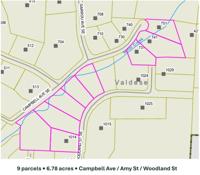
The county would work with the City of Morganton and Western Carolina Developers to provide infrastructure for approximately 25 single-family homes planned for Clover Ridge.
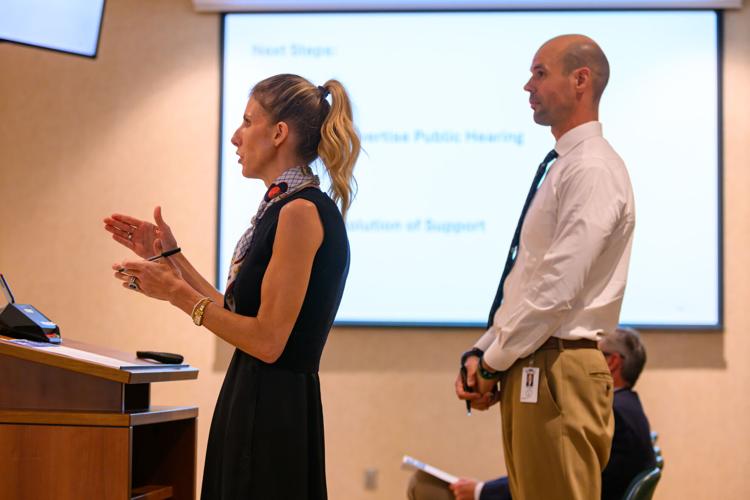
“We know that housing continues to be a challenge in this community,” Epley said. “The occupancy rates across all markets are really, really low. … There’s still a significant need for housing, especially attainable housing — as well as those (new) housing units create tax base and recurring property tax revenue.”
Each home will be about 1,800 square feet and the development will run along Latimer Lane.
Upon approval, the developer will be responsible for roads, water, and sewer installation within the development.
Western Carolina Developers would be required to meet a development schedule and provide annual progress reports, facing a per-dwelling penalty enforced through the Burke County Superior Court should they not stay on track.
“For every home that wasn’t built within this three-year timeline, the developer would owe us $12,000 back,” said Epley.
With about 1,100 students graduating from high school each year but only 900 entering kindergarten, Epley said the county faces an aging population and a need to attract more working-age residents. More attainable housing could help address that challenge, he said.
Epley told the board that nearly 14,000 people from surrounding areas commute to Burke each day for work, making up more than half of the employees in the county. About 51.1% of commuters are between 30 and 54 and just over a third earn more than $40,000 annually.
A 2023 housing study by Bowen National Research estimated that Burke County needs 1,517 additional homes to meet demand from households earning roughly $57,000 to $86,000 annually, according to Epley’s presentation.
The public hearing will be during the next commissioners meeting on Oct. 19, starting at 6 p.m.
THE BERKELEY
The 501©(3) nonprofit Piedmont Affordable Senior Housing Foundation (PASHF) is attempting to buy six senior living communities across the state using $115 million in bonds.
$25 million in bonds is aimed at The Berkeley, an assisted living and memory care community serving older adults, located in Morganton on Juniper Street.
The nonprofit is seeking a resolution from the county approving tax exemption on the bond financing.
Once PASHF purchases The Berkeley property, the foundation intends to apply for nonprofit tax exemption within the county, which could reduce annual county property-tax collections by about $46,000.
Epley reiterated that continued tax exemption is not a guarantee, and that the board is only considering exemption on the bonds at this point, but that it is a factor in determining if the purchase brings significant public benefit.
“If they’re allowed to issue tax-exempt under this foundation, that would provide a lower cost of financing,” said Epley. “In turn, the ultimate goal is a lower barrier of entry for low-income citizens that may need assisted living.”
Burke County would not be fiscally responsible for the loan and Epley said there would be “absolutely no financial risk or exposure to the Burke County government in any way.”
Also, within the foundation’s bylaws, 40% of the residents must be Medicaid recipients.
Currently, there are two Medicaid recipients at The Berkeley. Epley said there is a preference for private pay at the facility now, but that the foundation would eventually serve at least 24 Medicaid recipients.
With the space for 60 residents, and an average stay of 18 months, PASHF would cycle in more Medicaid recipients as spaces becoming available.
“(The Berkeley) is currently at 97% full,” said Dr. Lindsey Duch, president of PASHF. “The turnaway because of Medicare or Medicaid disqualifications are pretty high.”
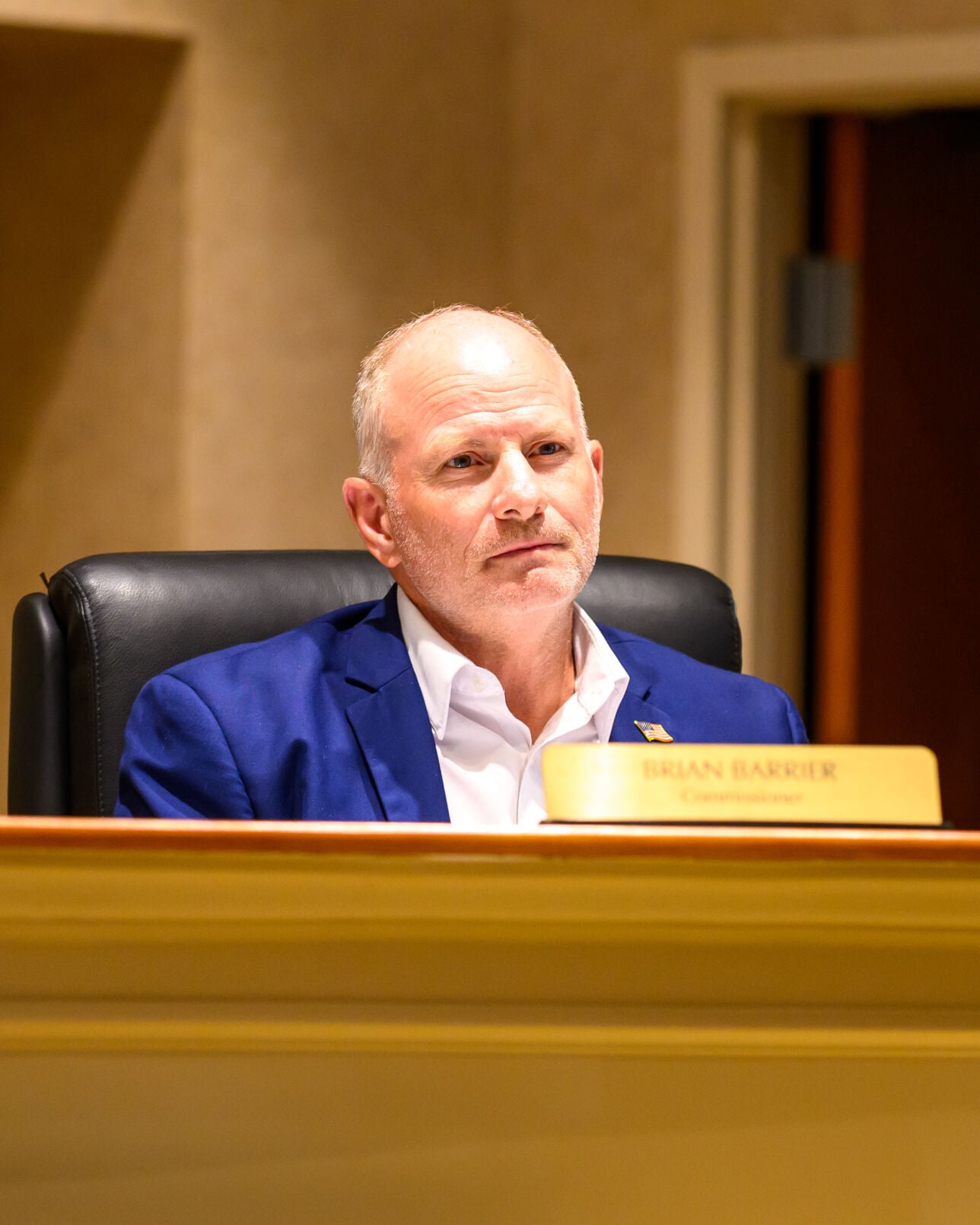
Commissioner Brian Barrier expressed concerns about PASHF’s longevity, noting that the foundation has only been around a couple of years, with little track record.
In response to a question from Barrier, Duch clarified that if the nonprofit fails to pay on its bonds, it would be no different than if The Berkeley didn’t pay its mortgage — the state would move residents to other facilities.
The Board of Commissioners will hold a public hearing at its Oct. 19 meeting.




















(0) comments
Welcome to the discussion.
Log In
Keep it Clean. Please avoid obscene, vulgar, lewd, racist or sexually-oriented language.
PLEASE TURN OFF YOUR CAPS LOCK.
Don't Threaten. Threats of harming another person will not be tolerated.
Be Truthful. Don't knowingly lie about anyone or anything.
Be Nice. No racism, sexism or any sort of -ism that is degrading to another person.
Be Proactive. Use the 'Report' link on each comment to let us know of abusive posts.
Share with Us. We'd love to hear eyewitness accounts, the history behind an article.