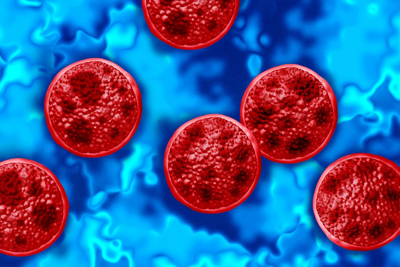
Cyclosporiasis is caused by a parasite called cyclospora. After exposure, it typically takes about one week to experience symptoms, which usually include watery diarrhea and frequent bowel movements.
Cyclosporiasis is caused by a parasite called cyclospora. After exposure, it typically takes about one week to experience symptoms, which usually include watery diarrhea and frequent bowel movements.
Burke County Public Health has confirmed three cases of cyclosporiasis in July as the intestinal illness continues to increase across North Carolina and dozens of other states.
As of July 14, the North Carolina Department of Health and Human Services has reported 307 cases and 13 hospitalizations throughout the state since May 1. The department releases updated counts every Tuesday.
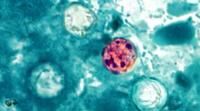
The illness is caused by a parasite called cyclospora, and people can get sick when they eat or drink food that is contaminated. After exposure, it typically takes about one week to experience symptoms, which usually include watery diarrhea and frequent bowel movements.
Public Health Educator Samantha Simmons noted that Burke County Health Department continues to monitor cyclosporiasis activity and work with NCDHHS on disease surveillance. She also noted that there have been reported cases in nearby communities such as Buncombe, Henderson, McDowell, and Rutherford counties.
Commonly reported foods linked to cases within North Carolina include parsley, cilantro, and lettuce, according to NCDHHS. Though the information can suggest which types of produce are more likely to be contaminated, officials say it does not prove with certainty that any of those types of produce were the source of infection.
The Food and Drug Administration continues to investigate Taylor Farms, a supplier of lettuce to Taco Bell locations across Indiana, Kentucky, Michigan, Ohio, and West Virginia. As of Friday, the North Carolina Department of Health and Human Services announced that the state’s cases do not appear to be associated with the outbreak in the Midwest.
Simmons noted that individuals can reduce their risk by practicing safe food handling and good hand hygiene. Fresh produce should be rinsed before preparation, gently rubbed under plain running water, and dried with a clean cloth or paper towel. Firm produce may be scrubbed with a clean vegetable brush, and damaged or bruised areas should be removed before preparing or eating. Soap and produce washes are not recommended for cleaning produce.
The Michigan Department of Health and Human Services, has been monitoring the largest outbreak at 6,148 total cases and 102 hospitalizations since July 16. Health officials say to also prioritize cooking to an internal temperature of at least 158 degrees Fahrenheit as cyclospora is resistant to routine chemical disinfection and washing alone cannot guarantee removal.
Keep it Clean. Please avoid obscene, vulgar, lewd,
racist or sexually-oriented language. PLEASE TURN OFF YOUR CAPS LOCK. Don't Threaten. Threats of harming another
person will not be tolerated. Be Truthful. Don't knowingly lie about anyone
or anything. Be Nice. No racism, sexism or any sort of -ism
that is degrading to another person. Be Proactive. Use the 'Report' link on
each comment to let us know of abusive posts. Share with Us. We'd love to hear eyewitness
accounts, the history behind an article.




























(0) comments
Welcome to the discussion.
Log In
Keep it Clean. Please avoid obscene, vulgar, lewd, racist or sexually-oriented language.
PLEASE TURN OFF YOUR CAPS LOCK.
Don't Threaten. Threats of harming another person will not be tolerated.
Be Truthful. Don't knowingly lie about anyone or anything.
Be Nice. No racism, sexism or any sort of -ism that is degrading to another person.
Be Proactive. Use the 'Report' link on each comment to let us know of abusive posts.
Share with Us. We'd love to hear eyewitness accounts, the history behind an article.