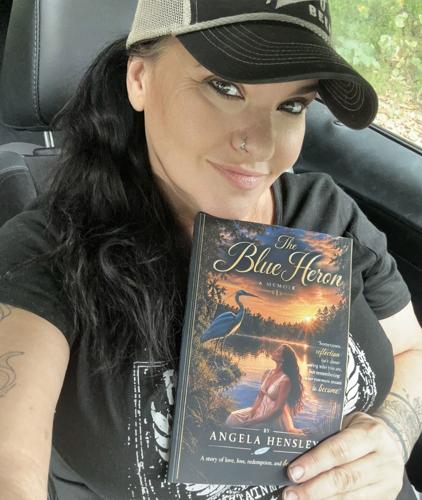
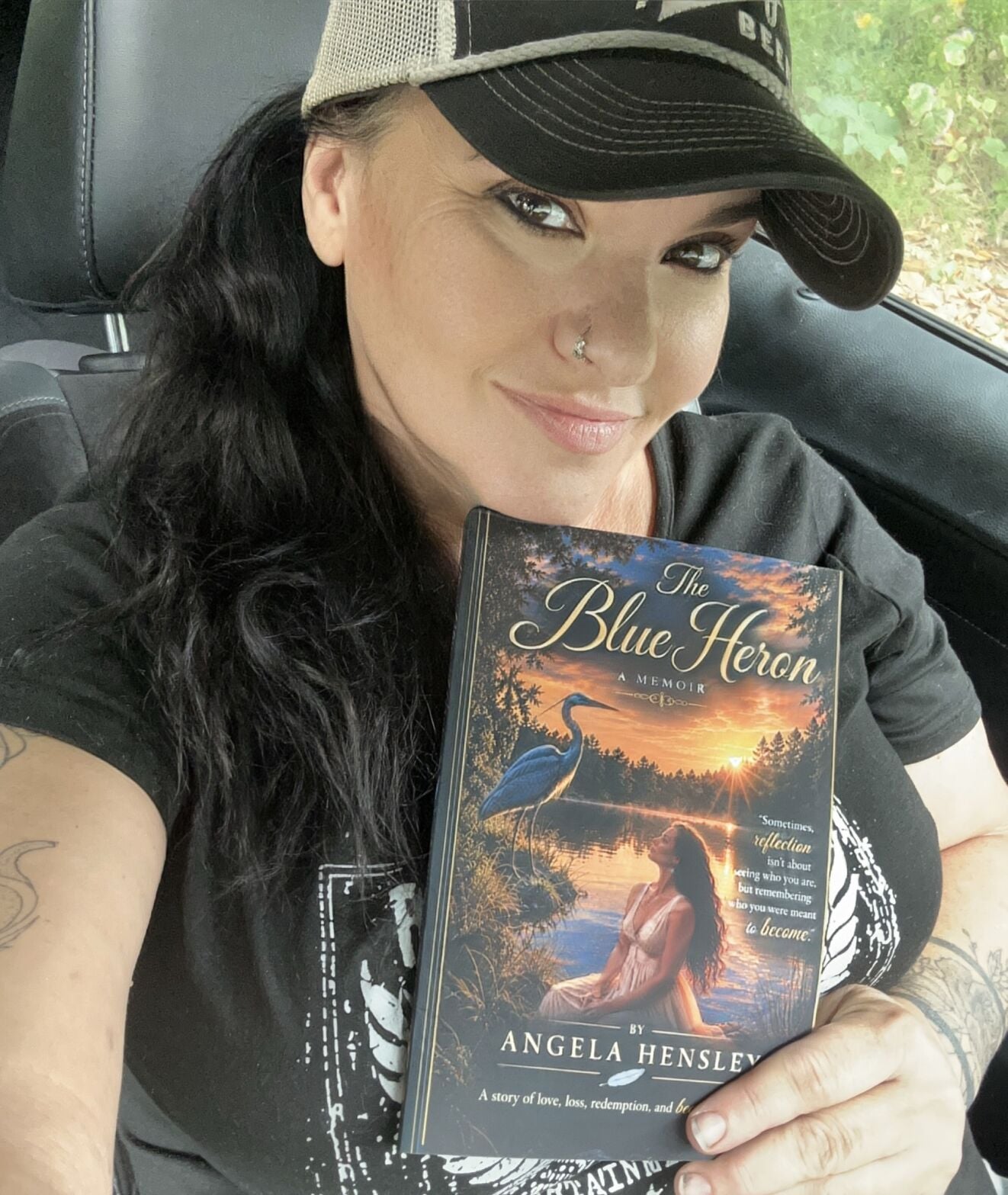
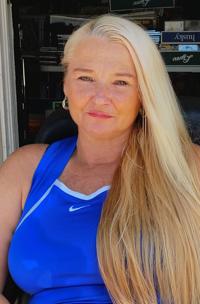
Angela Hensley is seen with her book, which she hopes will inspire others to not be afraid to start over. ‘The Blue Heron: A Memoir’ is available through multiple sources, including Amazon Kindle, Barnes & Noble, and Books-A-Million.
A long bus ride, a father’s embrace, and a blue heron on land scarred by a storm offer a glimpse into the lives behind three new books. For Aaron Kohrs, Kincaid Jenkins, and Angela Hensley, familiar people and places provide material for exploring community, memory, and starting over.
Through memoir and poetry, these authors with local ties consider what gives a life meaning, what we carry from the past, and how we find a way forward.
Memoir explores the value of getting involved
Aaron Kohrs shares lessons from transit work, local politics, and his memoir at Morganton library
A trip that took 15 minutes by car lasted more than an hour by bus. For Aaron Kohrs, the difference helped turn a personal transportation problem into a career in community engagement.
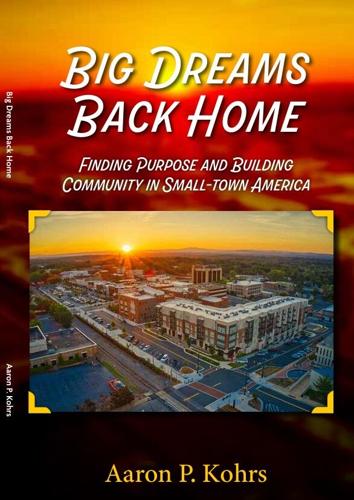
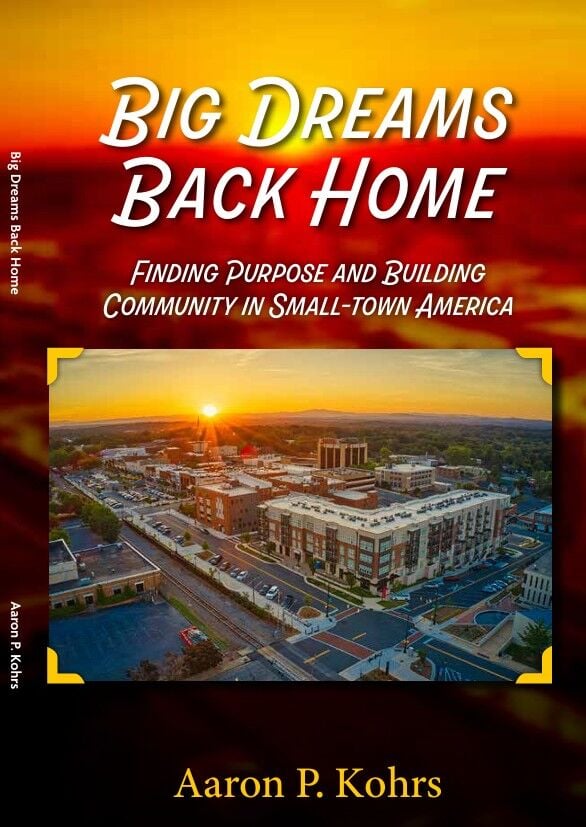
The Hickory native recalled that experience during an author conversation Oct. 21 at Morganton Public Library about his memoir, “Big Dreams Back Home: Finding Purpose and Building Community in Small-Town America.”
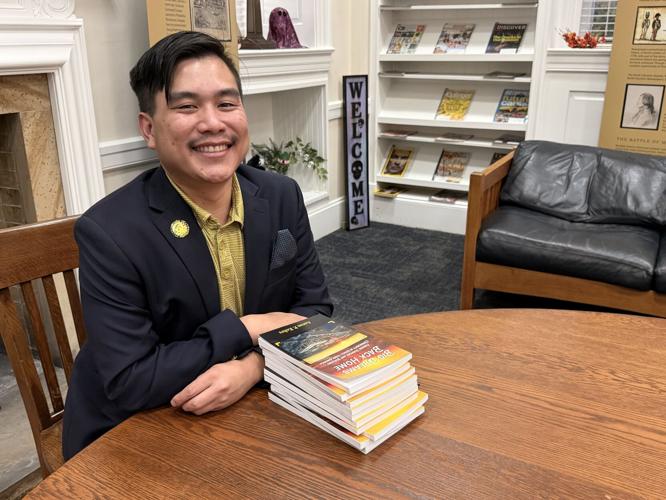
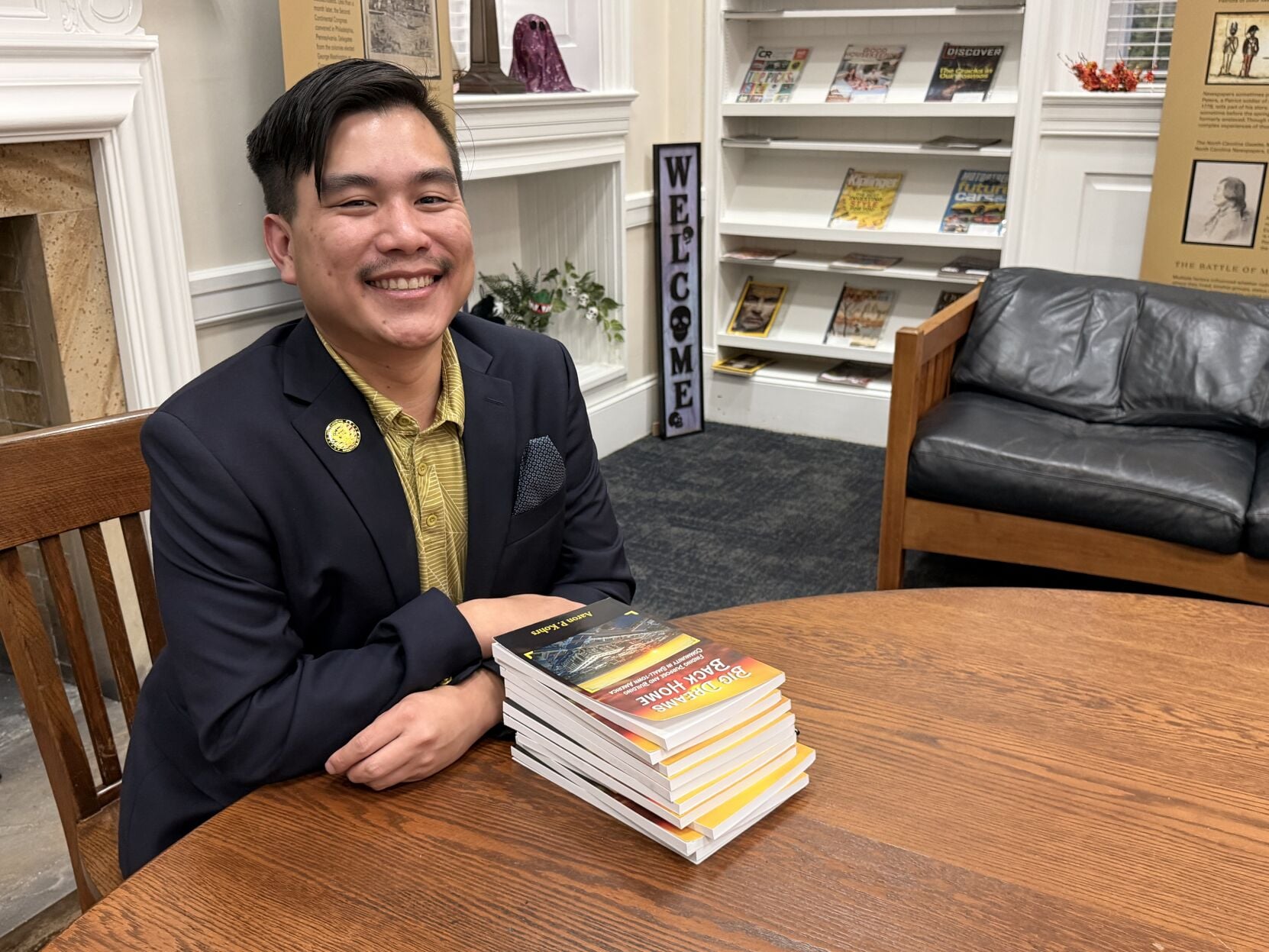
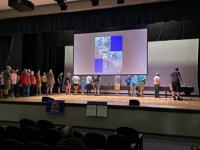
Aaron Kohrs talked about his new book ‘Big Dreams Back Home’ during an author’s talk Wednesday at the Morganton Public Library.
ANGELA KUPER COPELAND / THE PAPER
Published by Redhawk Publications, the book follows Kohrs through teaching, transit outreach, grassroots organizing, and an unsuccessful run for the Hickory school board. Part practical guide and part personal reflection, it encourages readers to find purpose close to home.
Kohrs returned to Hickory after graduate school in Ireland expecting to land a job in Washington. Those plans did not immediately materialize. Helping family members navigate services and using Greenway public transit himself revealed practical challenges, including the lengthy trip across Hickory to the community college.
He contacted the transit agency through Twitter and connected with a public relations employee over ways to improve the system. When she was leaving, she recommended him for the position.
Kohrs joined Greenway in 2018. One of his first major assignments was promoting bus routes serving Morganton, Drexel, Valdese, and Rutherford College.
That meant visiting businesses, distributing route maps, talking with local officials, and speaking with passengers. Even neighboring communities could have different expectations and ways of reaching residents, he said.
He also had to explain how agencies balance individual requests against community needs and funding while listening to riders whose daily lives depend on the service.
“It’s about being there and meeting someone where they are, and knowing the locality and the nuances of it,” he said.
Reading from his book, Kohrs described kindness as essential to that work.
“Life is about how you talk to people, treat them, and reach out to them. Everything boils down to that, including professional relationships.”
Audience questions explored how those relationships work as technology changes. Kohrs recalled producing printed transit maps in different sizes for riders. He prefers paper maps people can unfold, point to, and discuss when seeking help.
Now working in transit outreach for the Washington Metropolitan Area Transportation Authority, Kohrs welcomed the flexibility of virtual meetings and hybrid work while emphasizing the continuing need for personal interaction.
He encouraged younger people to take available opportunities and learn what interests them through experience.
Entering civic life without established family connections was a challenge, he said. Running for school board meant knocking on doors and learning to work with influential people. Advocating for change also requires maintaining relationships and speaking with an even tone.
Kohrs hopes the book, which includes a list of community resources, will encourage others to find their own starting point. His began with a family need, a bus ride, and a willingness to reach out.
Kincaid Jenkins finds poetry in everyday life
New collection draws on movies and memories as poet prepares for two Burke book signings
Kincaid Jenkins remembers the sawdust that fell down his neck when his father hugged him after a hard day’s work.
As a child, he sometimes felt ashamed when his father was covered in oil or sweat. Decades later, writing about the man who provided for his family, Jenkins felt ashamed of his own reaction.
In “Work Ethic,” he wanted to capture both the discomfort of that embrace in a humid Southern summer and the regret of looking back 35 years later. Reading the proof, he realized the description needed work.
The revised passage reads, “And hug me with the mealy, sweat caked sawdust between your fingers raining down my neck like hot mash, tickling where it stuck.”
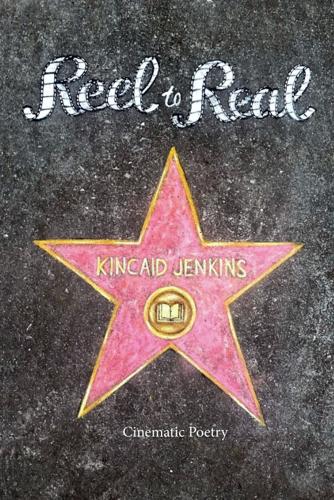
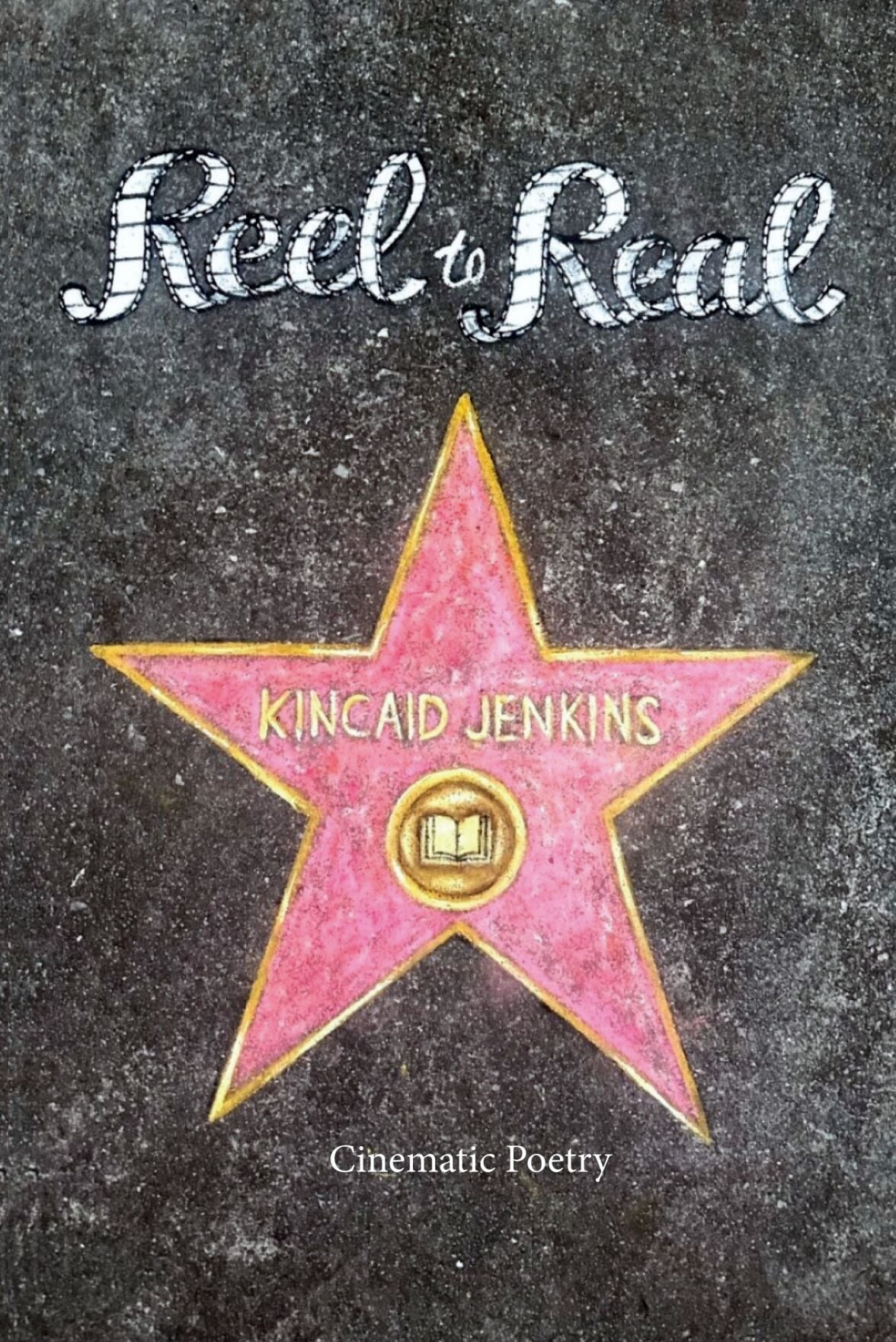
Memories like those share space with dogs, sports, travel, politics, and relationships in Jenkins’ poetry. His second collection, “reel to real,” is scheduled for release Oct. 30 through Seed Bed Press, with release parties in Valdese and Morganton.
His high school English teacher and coach, Jeff Price, taught him that poetry did not have to be “just hearts and flowers.” Price, still a mentor and close friend, introduced him to James Dickey, whose subjects included football, archery, nature, and war.
Born and raised in Tennessee, Jenkins has lived across the country and traveled abroad, but considers Appalachia home, “warts and all.” He has lived in Morganton for 10 years.
An interaction at a bar or an incident on the street can become a subject.
“Poetry is all around us,” he said. “Anything can and has been a subject for my work.”
His first collection, “Drinking With Others: Poetry by the Pint,” grew from writing during the COVID-19 pandemic, when poetry helped him maintain his sanity and respond to events.
“Poetry and other forms of writing are my personal way of not staying silent,” he said.
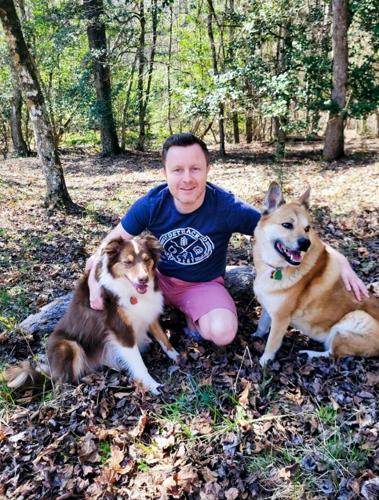
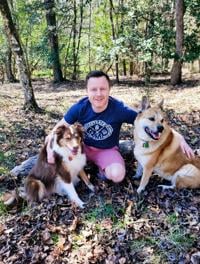
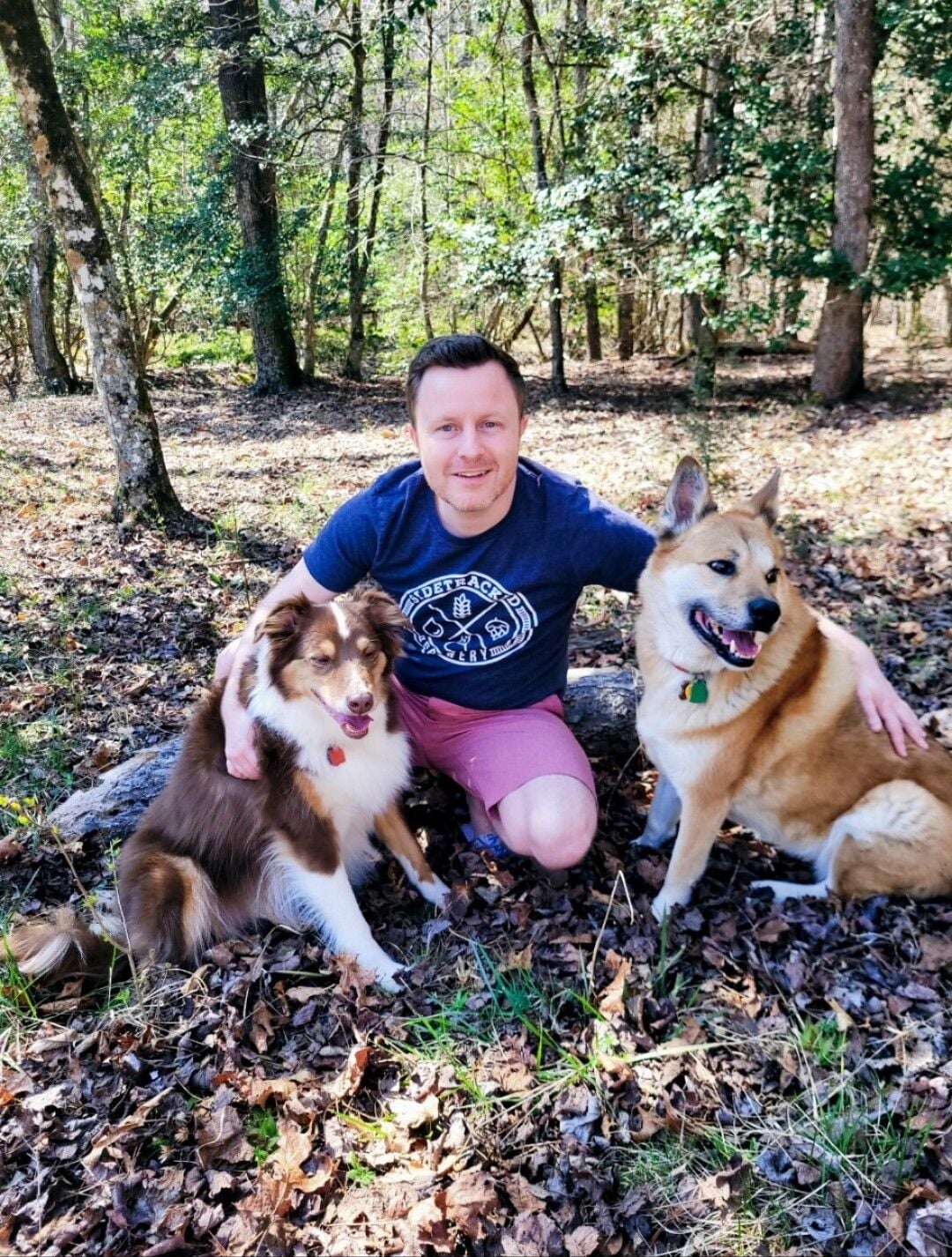
Kincaid Jenkins is pictured with Elsa (left) and Kallen.
FOR THE PAPER
The collection drew on conversations at bars and breweries. Some people become “single serving friends,” people with whom he shares an enjoyable exchange but may never see again. Others become “single serving enemies.” Either can provide material.
Marketed as poetry for men, the book also found an appreciative audience among women. Still, reaching men who rarely read remains a particular goal.
“If you read, you have a stronger chance of empathizing with people in everyday life because you’ve been empathizing with characters in books,” he said.
Jenkins has largely stepped away from social media but still posts to writing sites. Much of his readership grows through word of mouth, and Sidetracked Brewery carries his books.
His new collection moves from the bar to the movie theater. Chapters are arranged as theaters readers might enter, with sections devoted to adventure, biopics, coming of age, dramedy, love, and horror.
Humor shares space with difficult subjects.
“One of my favorite things about writing is that you can take a topic that is awful or tragic and sift through it to try to find something beautiful or hopeful.”
Finding her way home
Burke author Angela Hensley explores loss, caregiving, and starting over in “The Blue Heron”
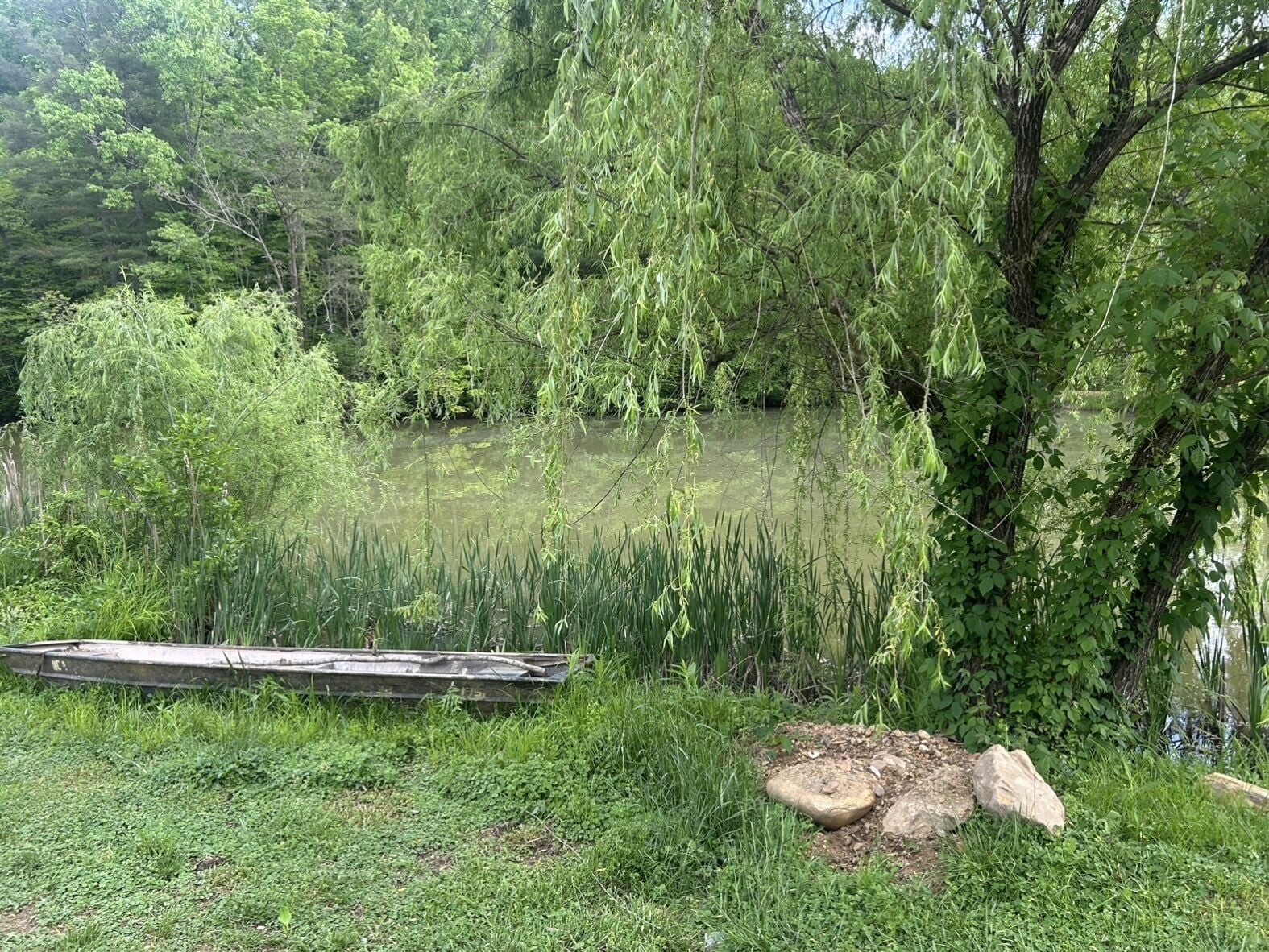
Standing on her family’s land after Hurricane Helene, Angela Hensley saw a blue heron and took its presence as a sign to keep going.
The Catawba River’s floodwaters followed two other losses: her father’s death about a year earlier and the end of her 21-year marriage a few years before that.
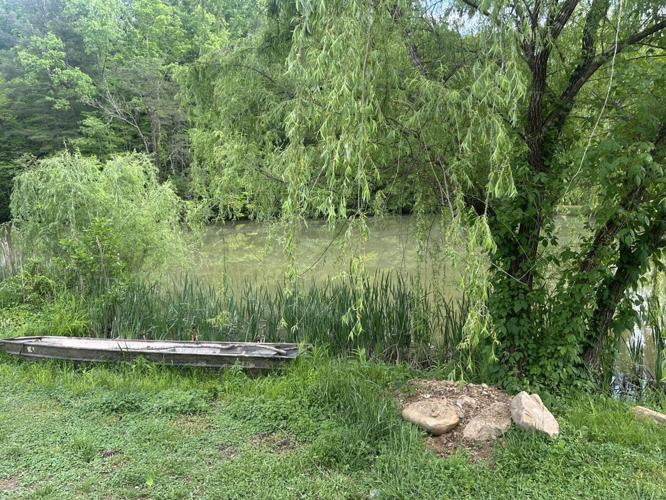
Angela Hensley wrote most of her memoir from the property that serves as a central theme in her book.
FOR THE PAPER
“I just stood out here one day, and there it was,” she said. “And I thought, wow, that’s a sign.”
To Hensley, the bird represented strength, the ability to stand on a bank in the wind and weather. It gave a name to both a habitat foundation and her debut memoir, “The Blue Heron: A Memoir of Losing Myself, Finding My Wings, and Coming Home.”
Hensley, 50, wrote 50 chapters about motherhood, marriage, grief, and caregiving. They grew from journals she began during her divorce.
“It was more my journal and my diary to get me through the things that I had been going through,” she said.
After years of caring for others, she was rediscovering herself and learning to live on her own. Eventually, she decided her writing might help others.
Her father’s death was especially difficult to write about. Robert Lane spent more than 40 years in law enforcement, including with the Burke County Sheriff’s Office and as Glen Alpine’s police chief. Born and raised on the family land, he had worked on the property. Preserving it became a way to carry that family history forward.
Her mother’s dementia brings a different grief. Hensley is her full-time caregiver, and her mother receives hospice care. Each morning can bring uncertainty about whether her mother will recognize her.
Hospice respite care and help from a close friend, her “guardian angel” Juleigh, allow Hensley to manage her festival work and other responsibilities.
She did most of her writing on the family property, where another kind of recovery was underway.
She established The Blue Heron Habitat Foundation after Helene, with plans centering on nearly 19 acres along Lane Drive in Burke County. Her family has held the land for about 80 years, she said.
Angela Hensley is seen with her book, which she hopes will inspire others to not be afraid to start over. ‘The Blue Heron: A Memoir’ is available through multiple sources, including Amazon Kindle, Barnes & Noble, and Books-A-Million.
FOR THE PAPER
The river rose into the pond during Helene. Fish that had drawn herons and other wildlife were gone afterward, she said. The family has largely paid for and carried out restoration itself, restocking the pond, addressing erosion, and tending to damaged trees.
Hensley said she has worked with groups of people with disabilities who visit to fish. She hopes to offer environmental education, community gatherings, and simpler pleasures, such as reading beside the pond.
“It means a lot for somebody to be able to enjoy it like I have,” she said.
Restoring the property has also given Hensley a measure of independence. She has learned to handle tasks she once relied on someone else to do, including “doing my own electrical, doing my own plumbing, building things.”
“The Blue Heron” is available through online booksellers. Hensley said sales will help support the foundation, and she hopes the land will become a legacy for her children, grandchildren, and great-grandchildren.
“I feel better now at 50 than I did at 30,” she said.
Keep it Clean. Please avoid obscene, vulgar, lewd,
racist or sexually-oriented language. PLEASE TURN OFF YOUR CAPS LOCK. Don't Threaten. Threats of harming another
person will not be tolerated. Be Truthful. Don't knowingly lie about anyone
or anything. Be Nice. No racism, sexism or any sort of -ism
that is degrading to another person. Be Proactive. Use the 'Report' link on
each comment to let us know of abusive posts. Share with Us. We'd love to hear eyewitness
accounts, the history behind an article.






























(0) comments
Welcome to the discussion.
Log In
Keep it Clean. Please avoid obscene, vulgar, lewd, racist or sexually-oriented language.
PLEASE TURN OFF YOUR CAPS LOCK.
Don't Threaten. Threats of harming another person will not be tolerated.
Be Truthful. Don't knowingly lie about anyone or anything.
Be Nice. No racism, sexism or any sort of -ism that is degrading to another person.
Be Proactive. Use the 'Report' link on each comment to let us know of abusive posts.
Share with Us. We'd love to hear eyewitness accounts, the history behind an article.