




Fasting is not something I do often.
A decade ago, Sung Min and I did it together. He was a student in a college program in which I served as a mentor.
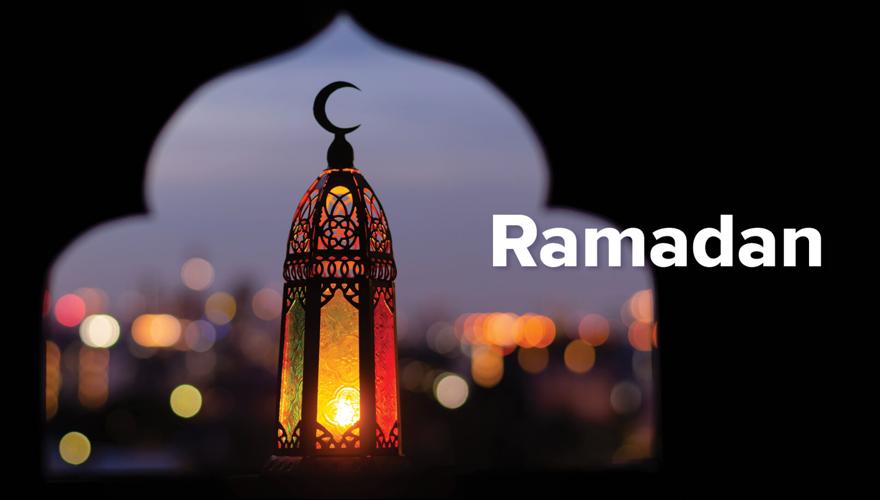
In an effort to stand in solidarity with our Muslim brothers and sisters observing Ramadan, we’d fast during the daylight hours of a single day. Religious Muslims observe this month-long season of spiritual reflection. Fasting during daylight hours is encouraged to sharpen one’s apprehension of this experience.
That year, Ramadan began in June. (This year, it begins next Tuesday, Feb. 17, to Thursday, March 19.) Summer daylight hours were long, meaning the fast was long, meaning Sung Min and I would forgo food and water on one of the longest days of the year.
On this day of activity, our group of 12 whip-smart college students and their mentors were to spend the morning at a Baptist church near Clemson, engaging community leaders in a conversation about systemic poverty and racism.
Later, we’d learn the ropes at a neighborhood community center. By late afternoon, we’d join the Muslim community at Furman University for an Iftar — a fast-breaking dinner.
I had gotten up at 3 a.m., well before daybreak, and had a humongous breakfast of eggs, toast, jam, a banana, coffee and cream, cereal, a bagel, bacon — the whole affair. But by 10 o’clock in the morning, I pulled Sung Min aside and said I was starving. (I can’t believe I actually used that word.)
By lunch time, when our Baptist hosts served a full-on Southern lunch, Sung Min and I were hungry enough to eat Styrofoam. While we enjoyed table fellowship with our group, we did not partake in the fried pork chops, stewed collard greens, sweet potato pie, and cobbler. Some had seconds. They consumed gallons of sweet tea.
We ate nothing and took nary a sip of water.
By late afternoon, the group scarfed up 900-calorie milkshakes at the Cook Out to tide them over until dinner. Watching and listening to them slurp was a special torture.
Dinnertime felt eons away.
A fast slows you down. Fasting reminds you of both material and spiritual dimensions of life. I found it to be a disorienting and reorienting experience. I wondered, was too much of me oriented around my appetites? I was curious about this and embarrassed.
At Furman, our group gathered with about a hundred others. The Imam welcomed us. We sat at linen-covered tables in a dining room brightened by long slants of afternoon sun and the warm smiles of our Muslim hosts.
I was parched, to say nothing of the tiger in my belly that was hunger.
The Imam explained that pregnant, sick, and otherwise frail people were encouraged to pass on the fast. For the rest of us, fasting was widely understood to be a useful spiritual discipline, uniting community, and deepening one’s walk with God and neighbor.
We sat politely.
Sung Min and I paid particular attention to our glasses of iced water sweating down their stems drop by drop onto the thirsty tablecloth.
It was good not to suffer alone. And it was good knowing this suffering had a boundary. With most suffering, you don’t when or if it will end. The not knowing is the hardest part.
Most of the people in this room had fasted for every day of Ramadan; most would fast for the remaining days of the season. This difficult discipline was a means of grace. And they befriended tigers of their own.
At sunset, the Muslim men and women divided for evening prayer.
I was touched that much of the Muslim world (almost two billion souls) was doing the same thing that day at sunset — answering the call to prayer.
Inspired by their faithfulness, I prayed for them and for our kinship. I apologized to God for the desperate cravings that hollowed my anorexic spirit.
The sun had set. Prayers had been said. It was time.
Before we got up to eat, Sung Min and I reached carefully for our respective glasses of water. The melting ice had brought the water to the brim. We took our first sip. We didn’t gulp it down. Just one sip. One cool swallow.
I’ll never forget the experience of that exquisite sensation of water on my tongue, of how so little could so deeply satisfy. This was a trick I hadn’t seen coming, some culinary (or spiritual) slight-of-hand.
We joined the dinner line; our Muslim hosts insisted we move to the front. We who knew so little about the holiness of food would reap the first helpings.
An older man and I chatted as the line inched forward. I asked him about his experience with fasting. The older he got, he said, the more difficult fasting became. He ran out of steam hours before evening prayer and had to come home from his work as an engineer in the middle of the afternoon for a nap. He shook his head about becoming stronger spiritually but weaker physically.
Nowadays, I think I know the feeling.
We stepped closer to this feast, enveloped by the aroma of saffron rice, halal meat kabobs, bowls of fruit salad, olives, dates, and steamed trays of vegetables. I’d seldom been more grateful for dinner in such an expectant, astonished way.
Fasting wasn’t — and still isn’t — my spiritual gift, though I do it from time to time. Sharing cake with a neighbor speaks my love language. Nothing says friendship like Girl Scout cookies.
The Hebrew prophet Amos might not have liked fasting, either. In the 8th-century BCE, he wrote that the fast God requires is doing something good for somebody else, letting justice roll down like ever-flowing streams of water.
Water.
I’ve not forgotten that first sip after we broke the fast. It was the first and best water I’ve ever tasted.
Sung Min and I will always share a bond from that day when we came into full possession of everything that can never be purchased.
























(0) comments
Welcome to the discussion.
Log In
Keep it Clean. Please avoid obscene, vulgar, lewd, racist or sexually-oriented language.
PLEASE TURN OFF YOUR CAPS LOCK.
Don't Threaten. Threats of harming another person will not be tolerated.
Be Truthful. Don't knowingly lie about anyone or anything.
Be Nice. No racism, sexism or any sort of -ism that is degrading to another person.
Be Proactive. Use the 'Report' link on each comment to let us know of abusive posts.
Share with Us. We'd love to hear eyewitness accounts, the history behind an article.