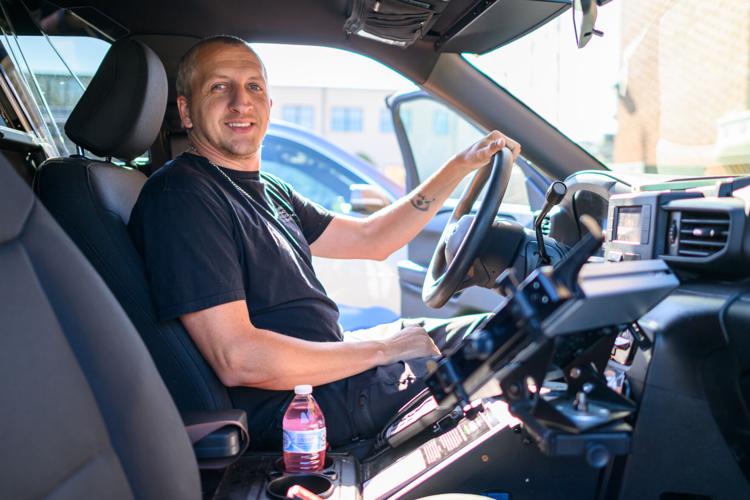
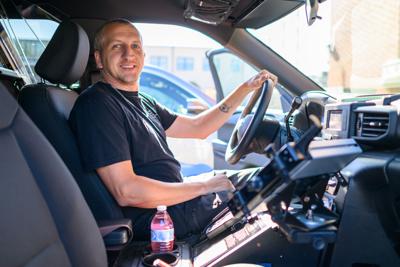
Matt Hare sits in the B. E. A. R. Team vehicle at their offices in Morganton. B. E. A. R. connects people in active addiction with detox and emergency overdose response.
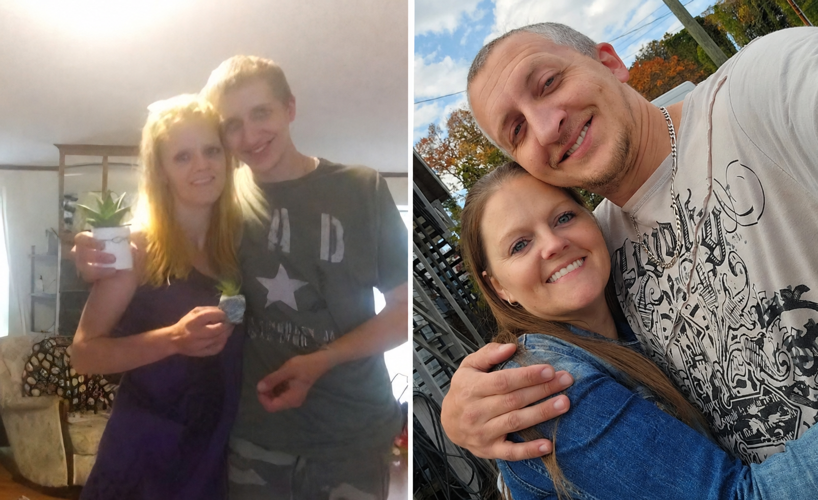
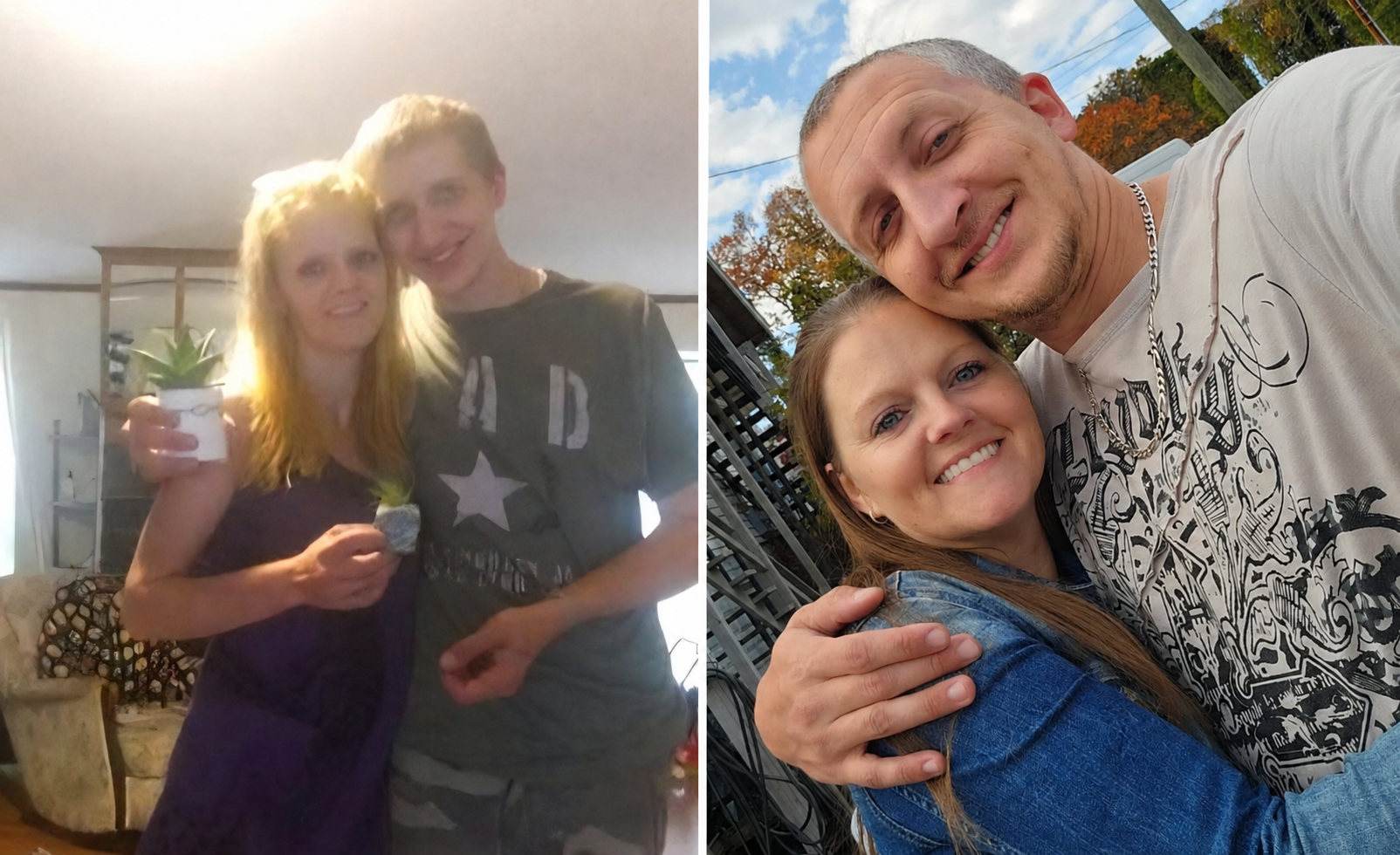
Matt Hare began his recovery in 2020, alongside his wife, Krystle Ellis. The photo on the left is of the couple in active addiction in 2020. The photo on the right is five years later.
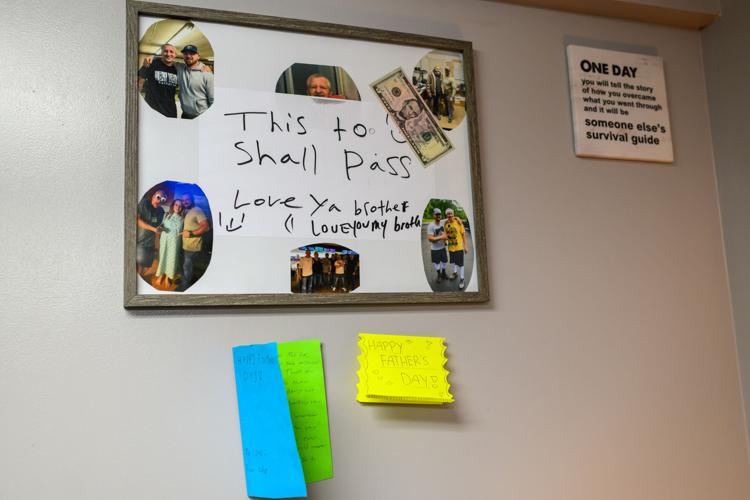
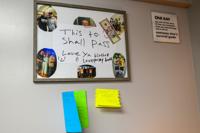
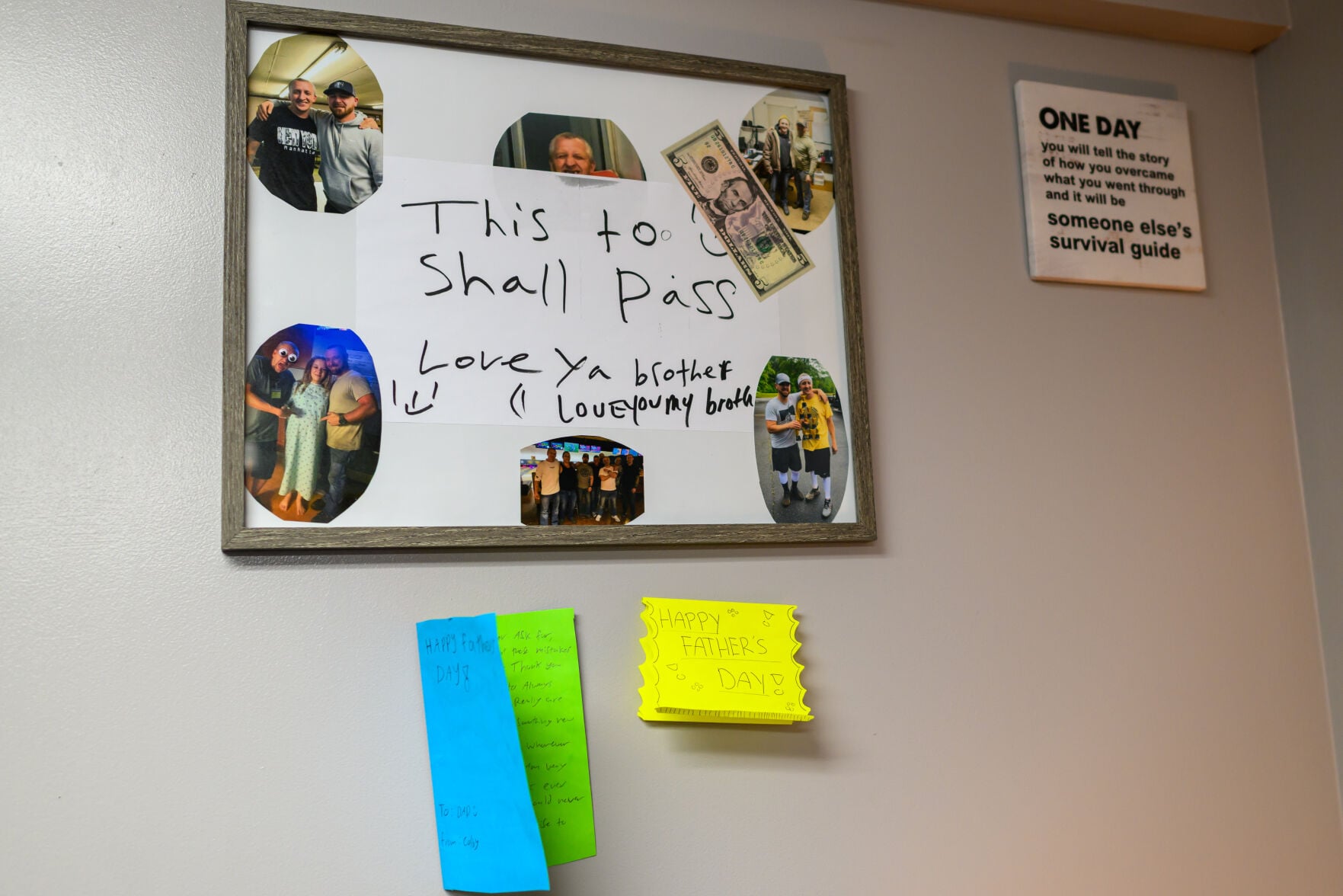
The wall beside Hare’s desk has inspirational sayings, photos of himself and friends, and cards from his kids, reminding him of the life he’s building.
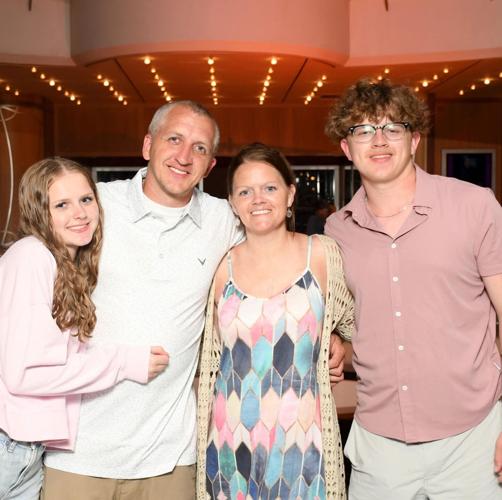
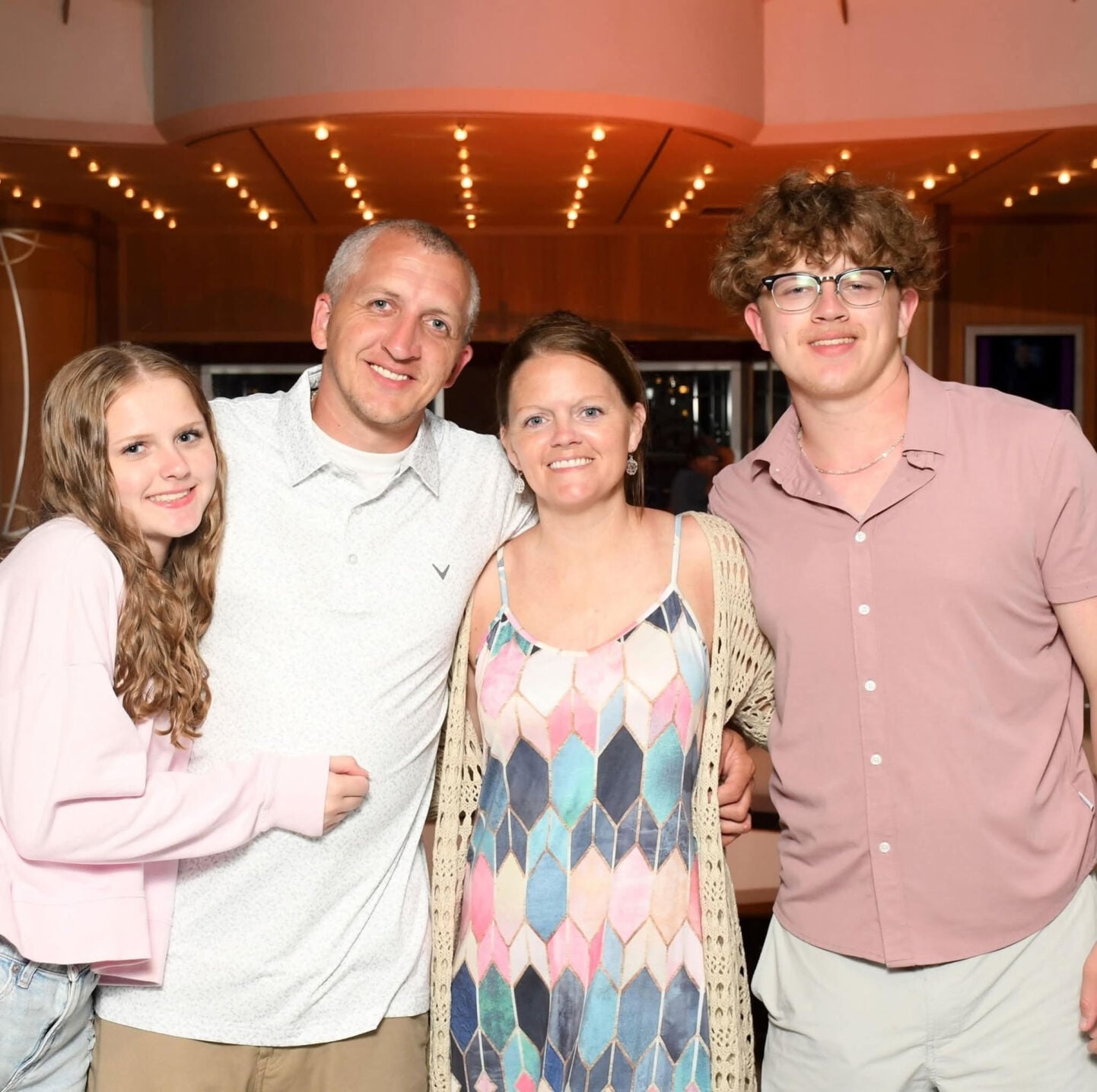
Hare said his family was broken for so long that he spends as much time as he can with them now, cherishing the moments they share. From left: Molly Hare, Matt Hare, Krystle Ellis, and Colby Hare.
Matt Hare sits in the B. E. A. R. Team vehicle at their offices in Morganton. B. E. A. R. connects people in active addiction with detox and emergency overdose response.
Matt Hare’s struggle with addiction didn’t begin with parties or peer pressure. It began when a car T-boned him at 16 while riding his bicycle.
“They started pumping me full of pain pills,” the now-39-year-old explained. “This is before the opioid crisis really became a thing. Then, (the doctor) just cut me off abruptly. … It just spiraled from there. I didn’t realize what withdrawal and all that stuff was. They didn’t educate me on all that stuff when they were giving it to me. They were just giving it to me.”
Hare’s struggle with addiction also didn’t end the way many do, in prison or dead. His story is one of recovery — nearly six years sober and counting — and helping others understand that a fulfilling life without drugs isn’t out of reach for anyone.
“I tell guys, ‘If you want what I got, then you’ve got to do what I do,’” he said, explaining that he had followed the examples of the men at the Flynn Recovery Community, some of the first to look him in the eye and treat him like a human.
Matt Hare began his recovery in 2020, alongside his wife, Krystle Ellis. The photo on the left is of the couple in active addiction in 2020. The photo on the right is five years later.
FOR THE PAPER
“The guys (were) taking time out of their day and the breath out of their body to show me that there is a life after addiction. Today, I just try to build a life I don’t want to escape from,” he continued, tears welling in his eyes. “That despair to life, it’s a heck of a ride.”
After spending nearly 20 years in active addiction and seven of those years homeless with his wife, Hare entered a treatment center in Asheville, where he found God.
When his caseworker asked what he planned to do differently after leaving the center, instead of returning home as he had before, he told her he would go wherever she sent him.
“I just said, ‘God, help me,’ and those three words — I had no idea it was gonna change my whole life,” he explained.
Hare said his family was broken for so long that he spends as much time as he can with them now, cherishing the moments they share. From left: Molly Hare, Matt Hare, Krystle Ellis, and Colby Hare.
FOR THE PAPER
Following years of losing custody of his children and fighting addiction with his wife, who also kicked the habit and is now in recovery, Hare spends as much time as he can with them.
Hare also works as the lead peer support specialist on the B. E. A. R. (Burke Emergency Addiction Response) team, a group that responds to the various needs of individuals in the county living in addiction — whether it’s overdose response or transporting people to detox, Hare’s smiling face is often the one that appears in their doorway.
“When I go over there and I talk to somebody that’s still struggling in active addiction, I don’t beat them down with what they need to do,” Hare said. “I chop it up with them. I talk like we’re talking. You know, ‘How was the game last night?’”
“All they want to do is feel normal. For an addict or an alcoholic that’s struggling, if you can make them feel normal for just a couple minutes, you could save their life.”
Hare’s love for helping others doesn’t stop at the doors of B. E. A. R., or with those in recovery.
“A lot of times, I try to call people and see who I can help,” he explained. “It doesn’t keep me sober, but it sustains my recovery. It keeps me out of my head, and it keeps me busy. Also, there’s nothing better than helping another person.”
The goal, he explained, is to help one person, because then maybe they’ll help three, and those three will help six, and so on.
“It’s a slow process,” he said, “but it’s really the only way to win the war against drugs.”
The wall beside Hare’s desk has inspirational sayings, photos of himself and friends, and cards from his kids, reminding him of the life he’s building.
JACOB CHRISTOPHER / THE PAPER
Throughout every discussion with Hare, he’s quick to pull out a saying, producing handfuls of inspirational quotes with nearly every sentence.
The one he likes the most, however, is one he created: “Recovery is fun and God is cool.”
“I about lost my wife to death, and I lost my kids, and I gained it all back,” he said. “I want people to know it’s possible.”
Keep it Clean. Please avoid obscene, vulgar, lewd,
racist or sexually-oriented language. PLEASE TURN OFF YOUR CAPS LOCK. Don't Threaten. Threats of harming another
person will not be tolerated. Be Truthful. Don't knowingly lie about anyone
or anything. Be Nice. No racism, sexism or any sort of -ism
that is degrading to another person. Be Proactive. Use the 'Report' link on
each comment to let us know of abusive posts. Share with Us. We'd love to hear eyewitness
accounts, the history behind an article.






















(0) comments
Welcome to the discussion.
Log In
Keep it Clean. Please avoid obscene, vulgar, lewd, racist or sexually-oriented language.
PLEASE TURN OFF YOUR CAPS LOCK.
Don't Threaten. Threats of harming another person will not be tolerated.
Be Truthful. Don't knowingly lie about anyone or anything.
Be Nice. No racism, sexism or any sort of -ism that is degrading to another person.
Be Proactive. Use the 'Report' link on each comment to let us know of abusive posts.
Share with Us. We'd love to hear eyewitness accounts, the history behind an article.