Why does Morganton hold a permanent place in American Revolutionary history? The answer lies just north of downtown Morganton at Quaker Meadows, home to the McDowell family and the launching point of events that changed the trajectory of the war.
In this series of articles, you will be introduced to Morganton’s most well-known family, the McDowells, who resided at what nationally generated historical documents identify as “Quaker Meadows,” where it has become the focal point of the city’s annual Revolutionary War Days.
Let me provide you with a short introduction to “Meet Your 1780 Neighbors.” The McDowells originally resided in the lowlands of Scotland, in Galloway. Joseph McDowell, known as the “elder,” was given a land grant from the English king to set up a weaving business in County Antrim, now Northern Ireland.
The English king assumed that his subjects, like the McDowells, would calm the rebellious and over-taxed Irish that lived there. Quite the opposite, as taxes on all Irish-produced textiles increased, Joseph and his Irish-born wife, Margaret O’Neill, became increasingly frustrated, at which time they made the decision to move to the American colonies.
Settling down in the Pennsylvania colony, they invested their money wisely and had a good life; however, they continued to be unhappy under English rule, so after some years they sold all of their extensive property holdings and moved south to the Catawba Valley of North Carolina.
You likely wonder why they call the land they settled on “Quaker Meadows.” The name actually emerged in the early 1750s, when a group of Quakers camped there. The Quakers became closely identified with this piece of property that others began to refer to it by that name.
Later, in the 1770s, after Joseph the elder’s death, his son Charles came into possession of the majority of his father’s properties. Now his “own man,” Charles initiated a major renovation plan for the house. His goal was to bring it up to the standard set by rich colonial landowners in the eastern part of the state.
When completed, his house could easily be compared to the fictional house depicted at “Fraser’s Ridge” in the popular television drama “Outlander.” The house was being built at the same time the Continental Congress in Philadelphia was proclaiming our independence from British rule. The house currently standing at Quaker Meadows was built later, in 1812.
For The Paper
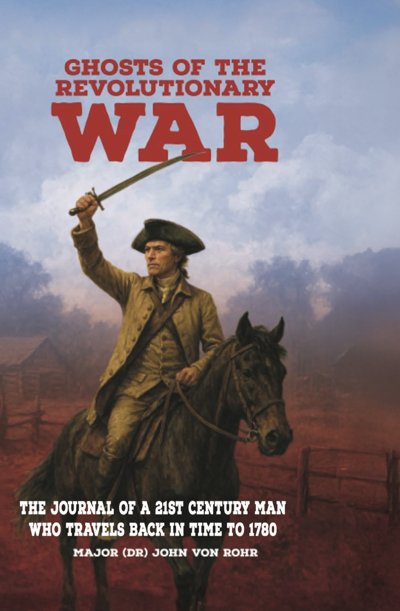
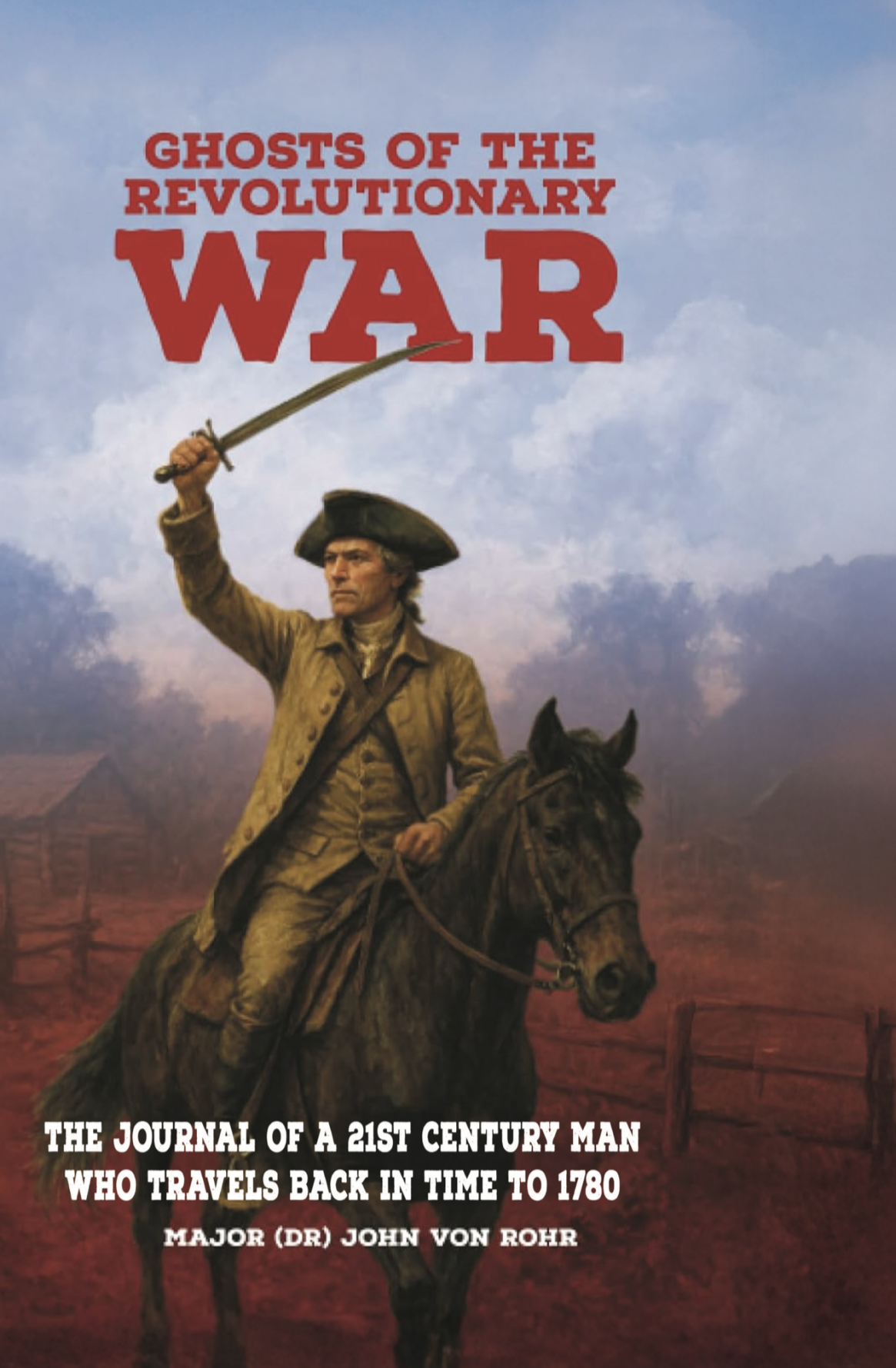
After conducting close to three years of research on the McDowells in reference to my soon to be published book, “Ghosts of the Revolutionary War,” I feel honored to present you, our local citizenry, with detailed information about your 1780 neighbors, the McDowells. This will include how they fit into the local community and, most significantly, the critical role they played in organizing a fourteen-hundred strong Patriot force here before they went on to defeat British forces at the Battle of Kings Mountain. Thomas Jefferson referred to this military engagement as “The Turn of the Tide of Success in the American Revolution.”
Since almost two and as half centuries have passed since this crowning event took place, it is certainly time for you to get to know your 18th-century “neighbors” and the roots that bind the McDowells and Morganton together, forever, in American Revolutionary War history. My goal is to describe to you what Quaker Meadows looked like if you were visiting it in September of 1780. And, while most historians tend to put historical figures on a pedestal, I will be examining this family from a more objective perspective.
In next week’s article you will learn more about the McDowells and their contributions to the local area, to include a detailed description of “The Fort at Quaker Meadows” and how it contributed to the safety of the local population.
On our journey together, you will be introduced to several other Morganton “heroes” from 1780, several of whom still have relatives living here, hundreds of years later. Please excuse me if I refer to Morganton as “our city,” this comes about since I am a member of the local chapter of the Sons of the American Revolution and am descendent of the McDowell family.
Until next week …
Maj. (Dr.) John von Rohr is an academician and former military officer. He is a member of the Col. Alexander Erwin Chapter of the Sons of the American Revolution.
Keep it Clean. Please avoid obscene, vulgar, lewd,
racist or sexually-oriented language. PLEASE TURN OFF YOUR CAPS LOCK. Don't Threaten. Threats of harming another
person will not be tolerated. Be Truthful. Don't knowingly lie about anyone
or anything. Be Nice. No racism, sexism or any sort of -ism
that is degrading to another person. Be Proactive. Use the 'Report' link on
each comment to let us know of abusive posts. Share with Us. We'd love to hear eyewitness
accounts, the history behind an article.



















(0) comments
Welcome to the discussion.
Log In
Keep it Clean. Please avoid obscene, vulgar, lewd, racist or sexually-oriented language.
PLEASE TURN OFF YOUR CAPS LOCK.
Don't Threaten. Threats of harming another person will not be tolerated.
Be Truthful. Don't knowingly lie about anyone or anything.
Be Nice. No racism, sexism or any sort of -ism that is degrading to another person.
Be Proactive. Use the 'Report' link on each comment to let us know of abusive posts.
Share with Us. We'd love to hear eyewitness accounts, the history behind an article.