



Burke County and several of its municipalities already restrict public camping, but advocates for unsheltered residents say a proposed statewide ban would place even more pressure on an already strained network of community services if lawmakers override Gov. Josh Stein’s veto.
“Whether it be from BUCM (Burke United Christian Ministries) or whether it be from somewhere else, as we continue on this situation where we are removing more and more of what people have become accustomed to or that they understand as being the process … you’re going to put more squeeze on your community resources and your community resources can only keep up as much as they can. We’re overloaded as it is,” said Alice Horton, executive director of BUCM.
Horton made sure to point out that community resources doesn’t just mean BUCM; it means law enforcement, DSS, and anyone else serving the public.
WHAT THE BILL CHANGES
The bill, initially passed by the North Carolina General Assembly in late June, has two primary components.
The bill would create “Drug-Free Homeless Service Zones,” increasing penalties for drug trafficking near areas where the unsheltered congregate for services as well as creating penalties for operators of the zones who allow the drug offenses on their property.
Also, according to the bill, local governments could not allow anyone to camp or sleep on public property — aside from areas where camping is specifically designated — unless they provide and maintain a space.
If there are not sufficient housing options for the local authorities to direct the unsheltered populations to, they can determine a piece of property owned by the local government within its jurisdictional boundaries to be used for a continuous period of no longer than one year for camping and sleeping.
However, the local government has to provide “minimum standards and procedures,” such as ensuring the safety and security of the property; maintaining sanitation, including clean restrooms and running water; coordinating with behavioral health and substance abuse services and resources; and prohibiting the use of illegal substances and alcohol.
HOW IT PLAYS OUT LOCALLY
Burke municipalities Morganton, Valdese, Rutherford College, and Drexel — as well as the county overall — already have ordinances in place that restrict or outright ban unsheltered individuals from popping up tents in public spaces.
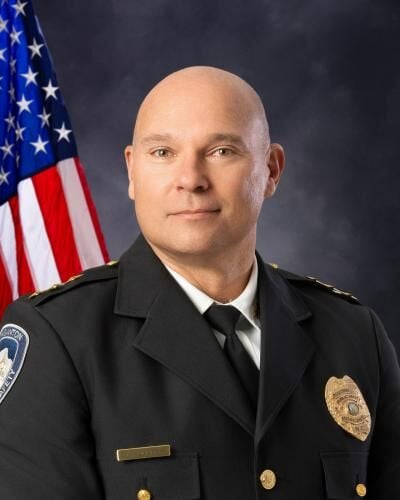
According to Morganton Department of Public Safety (MDPS) Chief Ryan Lander, since the city enacted its ordinance in August 2025, his department hasn’t arrested anyone, and the city’s public spaces seem more inviting.
While the ordinance restricts occupation and camping in Morganton city-owned parks and public spaces from 10 p.m. to 7 a.m., Lander said many individuals simply move on to places where they can find resources.
“The homeless/unsheltered population is transient,” Lander explained. “These individuals have a tendency to migrate towards any nonprofit (or) business that provides something free of charge that they deem valuable. They also migrate to other cities that may provide better or more resources.”
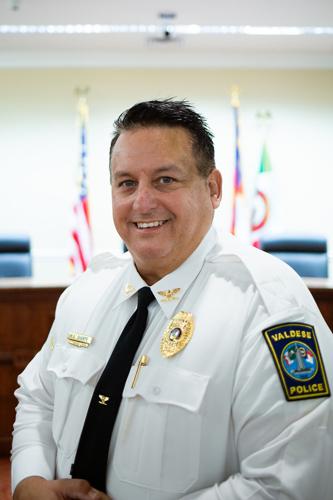
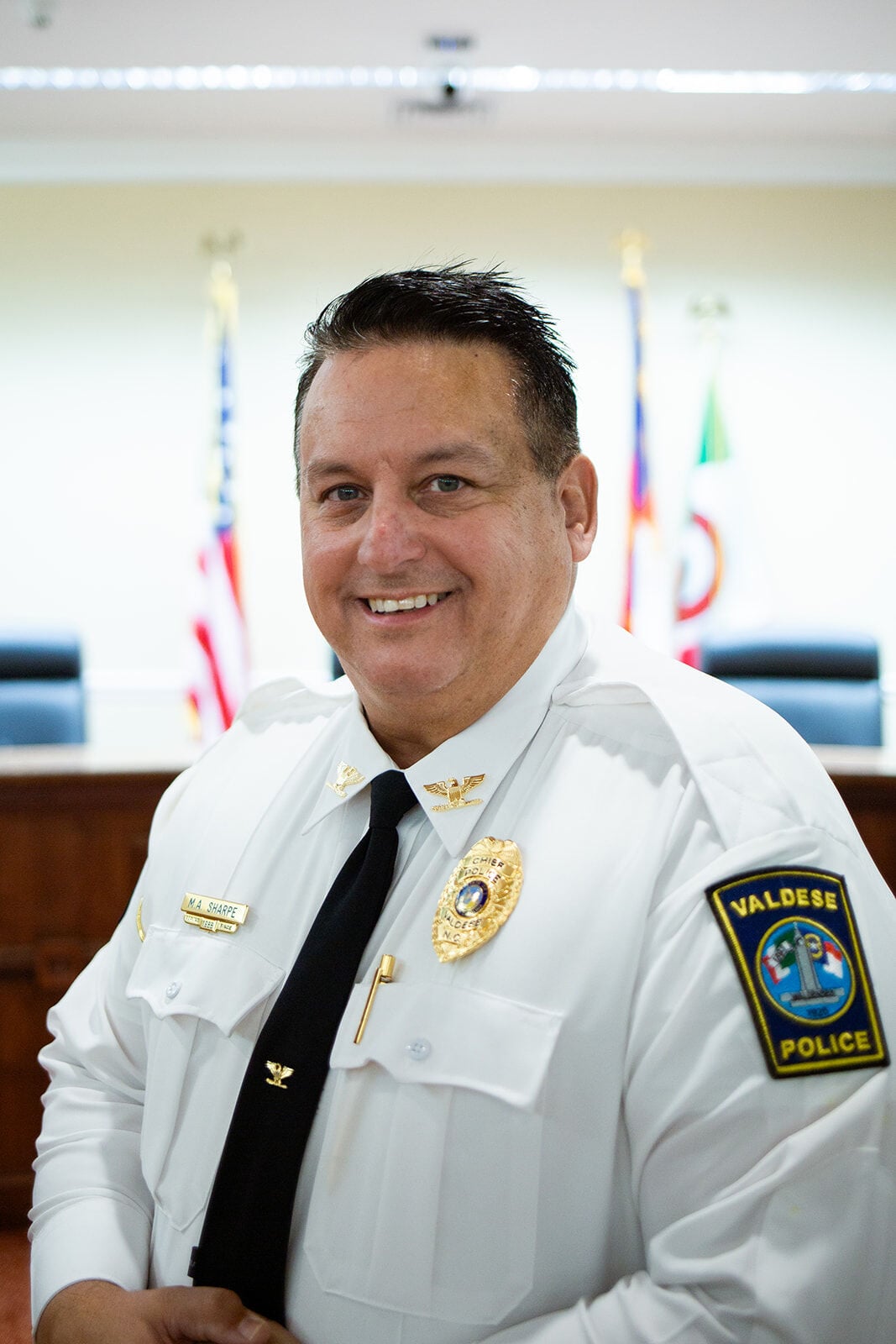
As for the individuals that don’t migrate, particularly in Valdese, Chief Marc Sharpe chairs the Drug and Homeless Task Force, not only monitoring for people camping on public and private property but also directing unsheltered individuals to resources like Jethro’s Community Outreach and BUCM.
“You’ve got so many different facets to this,” Sharpe said, explaining that legislation and ordinances may be a start, but not the endgame. “There’s no one solution that fixes everyone. We have to identify the root cause of (homelessness) first and then try to get that stabilized and fixed and addressed before we can even start dealing with some of the other things.”
According to Sharpe, the root causes he encounters most often trace back to poverty, substance abuse, and mental illness.
While Sharpe’s team tries to direct unsheltered people to different resources, sometimes even driving them to mental health appointments and helping them with a meal, MDPS educates the individual before having them pack up their belongings and head on their way.
“We do not send unsheltered individuals to any specific location,” Lander said. “We try to avoid situations that would appear to give preferential treatment. We provide the resources this community offers. It is up to the unsheltered individual whether they choose to seek those resources.”
“This agency has and will continue to assist the unsheltered in any way we reasonably can. However, the safety of everyone in this community is paramount regardless of socioeconomic status.”
RESOURCES FOR THE UNSHELTERED
Through services at BUCM, unsheltered individuals can get connected with resources, get a hot meal, and even shower as needed.
According to Horton, however, housing is still one of the largest disconnects in the county, and the fact that the county is so rural only exacerbates the struggle.
“We’ve started to play politics with people’s lives,” Horton said. “Just because something seems OK in the comfort of where you stand, it doesn’t necessarily mean that it’s going to be the same (elsewhere). It can be all logical on paper. ‘Of course, we don’t want anybody living in the woods.’ Well, where are they going?”











(0) comments
Welcome to the discussion.
Log In
Keep it Clean. Please avoid obscene, vulgar, lewd, racist or sexually-oriented language.
PLEASE TURN OFF YOUR CAPS LOCK.
Don't Threaten. Threats of harming another person will not be tolerated.
Be Truthful. Don't knowingly lie about anyone or anything.
Be Nice. No racism, sexism or any sort of -ism that is degrading to another person.
Be Proactive. Use the 'Report' link on each comment to let us know of abusive posts.
Share with Us. We'd love to hear eyewitness accounts, the history behind an article.