


EDITOR’S NOTE: This vignette is an educational moment in American history. It is about those who made a difference during the Revolutionary War era and how they served our country.
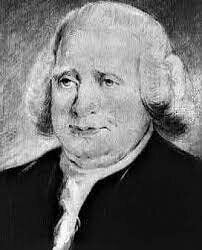
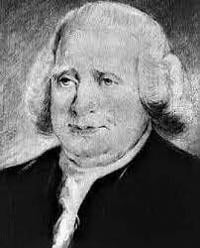
Carter Braxton was born to a notable family on Sept. 10, 1736, at the Newington Plantation in Virginia. His mother, Mary Carter, died a few days after giving birth, and his father died when he was 13. The Braxton family had accepted land grants from King George II and had a history of owning profitable businesses and holding public office.
Braxton continued his family's distinction by graduating from the College of William and Mary and marrying Judith Robinson. Carter was devastated when Judith died giving birth to their second child. Being depressed, he traveled to England to grieve and recover.
Not long after returning to America, Carter married Elizabeth Corbin in 1761 and eventually had a family of 18 children. During this time, Braxton became active in politics and countered British actions that negatively impacted his business and financial affairs.
During 1769, Braxton supported Patrick Henry and others as a House of Burgesses member. Together, they shunned the Stamp Act, rejected other constraints, and discussed colonists' rights. Braxton also signed the Virginia Resolves and "the Virginia Association of Non-importation Agreement.”
In 1770, when Braxton was the high sheriff, he resigned due to a disagreement with Governor Lord Dunmore's orders. Later, during the Second Continental Congress, an issue arose about confiscated gunpowder.
Leading a military company, Patrick Henry marched to Williamsburg to force Governor Dunmore to replace the explosives. Using his calming and negotiating skills, Carter silenced the situation, saving Williamsburg from devastation.
In Congress, Braxton continued hoping for a peaceful resolution with Britain. During the Spring of 1776, Braxton circulated his publication countering John Adams and others concerning their political doctrine and slander toward his in-laws.
Eventually, Braxton supported independence by signing the Declaration of Independence on Aug. 2, 1776. This action made Braxton a part of a significant milestone in our Country's history.
Then, the Virginia Convention retaliated against Braxton's brash actions by reducing the number of representatives in Congress; this eliminated his seat.
Continuing in office as a member of Virginia's legislature, Braxton advocated abolishing slavery via "patriot forces." He also provided the military with funds, food, and clothing.
Until his death, Braxton served in Virginia's government. During this time, he and Gov. Patrick Henry made amends and served in his cabinet.
Braxton loaned and gave large sums of money to support the war effort. He was never reimbursed, and failing shipping endeavors left him in debt, never to recover.
Carter Braxton, patriot extraordinaire, avoided debtors' prison by dying at 61 from a stroke on Oct. 10, 1797. Braxton was interred near Richmond in the Chericoke Family Cemetery. Braxton County, West Virginia, is named in his honor.
Please visit your Charters of Freedom settings at the Historic Courthouse in Morganton and the Education Park, 227 Main St. W, Valdese.
A Charters of Freedom setting consists of the Declaration of Independence, the United States Constitution, the Bill of Rights, and the Civil Rights Amendments. They are on permanent display analogous to the Charters of Freedom in the National Archives, Washington, D.C. Visit our website (FoundationForward.com) to learn more about all existing settings. Vance and Mary Jo Patterson are the benefactors of Foundation Forward, 501(c)(3), a nonprofit educational organization, and sponsor every setting.
Teachers are invited to contact Dr. Streater for information and complementary student education materials to enhance experiential field trips to any Charter of Freedom settings. In addition, everyone is welcome to obtain a personalized legacy paver for placement at their local Charters of Freedom display. Please contact Dr. Streater (mailto:david.streater@mymail.barry.edu) for engraved legacy paver information and complementary educational materials.
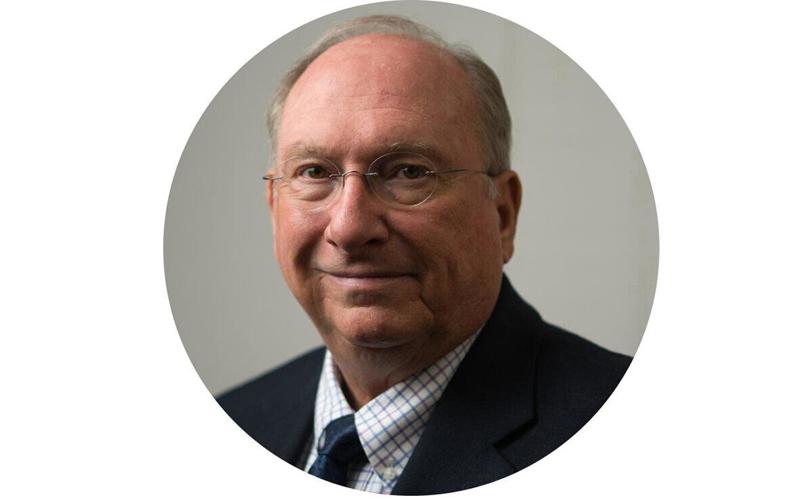
Dr. David Streater is the director of education for Foundation Forward, 501(c)(3). He is a retired college instructor/administrator and a retired probation and parole officer/administrator. In addition, David is a criminologist with an acute interest in history, served in the Navy, and is a resident of Burke County.













(0) comments
Welcome to the discussion.
Log In
Keep it Clean. Please avoid obscene, vulgar, lewd, racist or sexually-oriented language.
PLEASE TURN OFF YOUR CAPS LOCK.
Don't Threaten. Threats of harming another person will not be tolerated.
Be Truthful. Don't knowingly lie about anyone or anything.
Be Nice. No racism, sexism or any sort of -ism that is degrading to another person.
Be Proactive. Use the 'Report' link on each comment to let us know of abusive posts.
Share with Us. We'd love to hear eyewitness accounts, the history behind an article.