

Night has fallen. Your aunt and uncle, the two people entrusted with both your safety and escape, feel it is the optimal time to cross the Mekong River. Because the promised airlift evacuations by the American government never arrived, you have been attempting to flee Laos for the last few years.
You are now a toddler, an orphan, and labeled an enemy of the state because your father assisted the U.S. military in scouting for the Vietcong on the Ho Chi Minh Trail. You have never known hunger like this before, and exhaustion is a constant companion due to the harrowing journey zigzagging through the jungle to escape your homeland.
Miraculously, your party has avoided mortar shells and artillery on your makeshift, bamboo rafts, and you safely arrive in Thailand, at least, until the Thai raiders attempt to rob you of all valuables.
You are Tou Lee, and this is your story. In truth, it’s only the beginning of your story because the rest, and best, is yet to come.
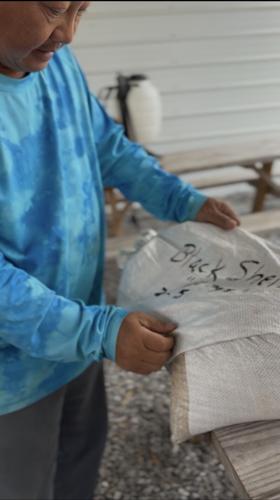
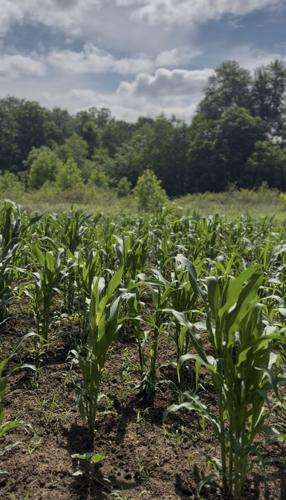
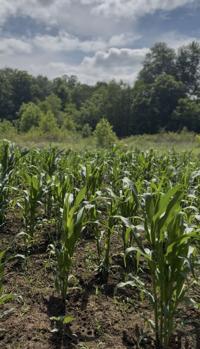
I met Tou, a former engineer, on a breezy Sunday afternoon at his family farm in Dysartsville. He was on his tractor when I arrived, and I feel certain this is where you would find him most days. We sat under a nondescript shed, at a simple, wooden picnic table, surrounded by all of the crops he and his wife, Chue, a former educator, have lovingly grown.
Growing anything of sustenance, from seed to consumable, is downright hard. I’ve tried it for three years with varying degrees of success. It’s scientific. It takes stamina. It requires patience in abundance. It’s humbling. It will break you. Did I say it’s hard?
So, the very fact that I was in the presence of someone who was not only farming a wide variety of crops but also making enough to run a thriving business selling those crops was awe-inspiring.
I felt like Charlie, winning the golden ticket and a private audience with Willy in his candy factory. Strawberries, sugar cane, cassava, sticky rice, Swiss chard, corn, purple cabbage, squash, pumpkins. Fruit trees of varying types: a patented peach orchard, experimental pomegranates, and heritage apple saplings. And that just skims the surface. Thank God there was no chocolate river, for I surely would have fallen in.
His family’s secondary, and to some a more ambitious, location is at Oak Hill Community Park and Forest on N.C. 126. The land, gifted to them from the Foothills Conservancy of North Carolina, is parceled out to close and extended family. They farm their own plots and abide by Tou’s two simple rules: don’t work in the heat of the day and call him to assist you with pests. For the Hmong community, “share strength” is a rich, deep tradition of helping everyone farm their land. So, the endeavor at Oak Hill wasn’t a big leap for Tou and his family.
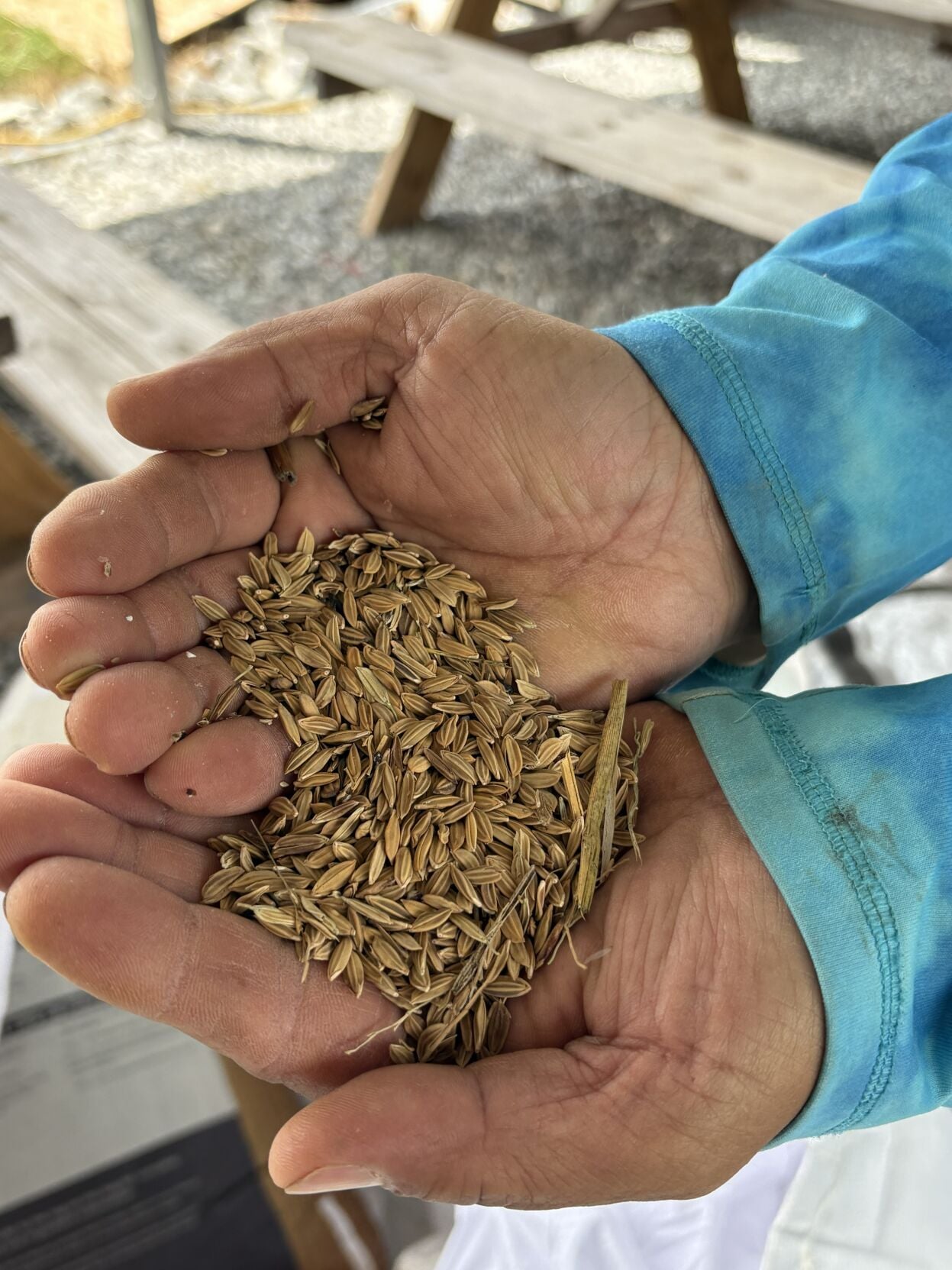
As we drove through these crops, he pointed out the rice stalks, uniquely cultivated to thrive in mountainous climates like those in Laos. So how, exactly, did these seeds make their way to the U.S. all those years ago when the Hmong fled their homeland with nothing? That might be a story for another day, which may or may not involve the deep recesses of suitcases on international flights.
With the immediacy of our society’s access to food, the profundity of anyone who can not only grow crops but also produce enough to sell them as their small business should not be lost on any of us. So, the centuries old customs and traditions of the Hmong as farming communities is at least admirable and at best astonishing.
The future of One Fortune Farm involves a newly purchased 80-acre farm where Tou and Chue intend to give school tours and educate the public at large about Hmong crops, cooking and more.
But why? What motivates Tou to build a working and teaching farm?
It all goes back to his arrival in the States. Not yet able to read English, he could only imagine what kinds of delectables were inside the jars and cans on every aisle of a supermarket. For Tou, his first trip to a large-scale food store filled him with awe and wonder. To his grandmother and uncle, it was intimidating. What were these new vegetables and fruits? What do they taste like? What parts are edible? How do you prepare them?
A gracious community taught them about these new foodways. Churches helped to ensure his family was fed. Neighbors explained new varieties of food and how to prepare them. And when you are the recipient of that kindness, it imprints on you in the most important of ways. So, for Tou, he feels called to share his knowledge of farming with others.
Tou, along with his family, has built something powerful and significant. They’ve taken the Laos cultural concept of shared farming to ensure survival (give a man a fish kind of approach) and created a sustainable business.
The American dream, achieved by grit and determination, and the kind of survival most of us will never know. And he’s paying that forward, for you, and me, and future generations. He knows there will be another young person, unfamiliar but wide-eyed and eager to learn about new foodways. And we are all the better for it.



























(0) comments
Welcome to the discussion.
Log In
Keep it Clean. Please avoid obscene, vulgar, lewd, racist or sexually-oriented language.
PLEASE TURN OFF YOUR CAPS LOCK.
Don't Threaten. Threats of harming another person will not be tolerated.
Be Truthful. Don't knowingly lie about anyone or anything.
Be Nice. No racism, sexism or any sort of -ism that is degrading to another person.
Be Proactive. Use the 'Report' link on each comment to let us know of abusive posts.
Share with Us. We'd love to hear eyewitness accounts, the history behind an article.