
What lottery money does and doesn't do for Burke County Schools
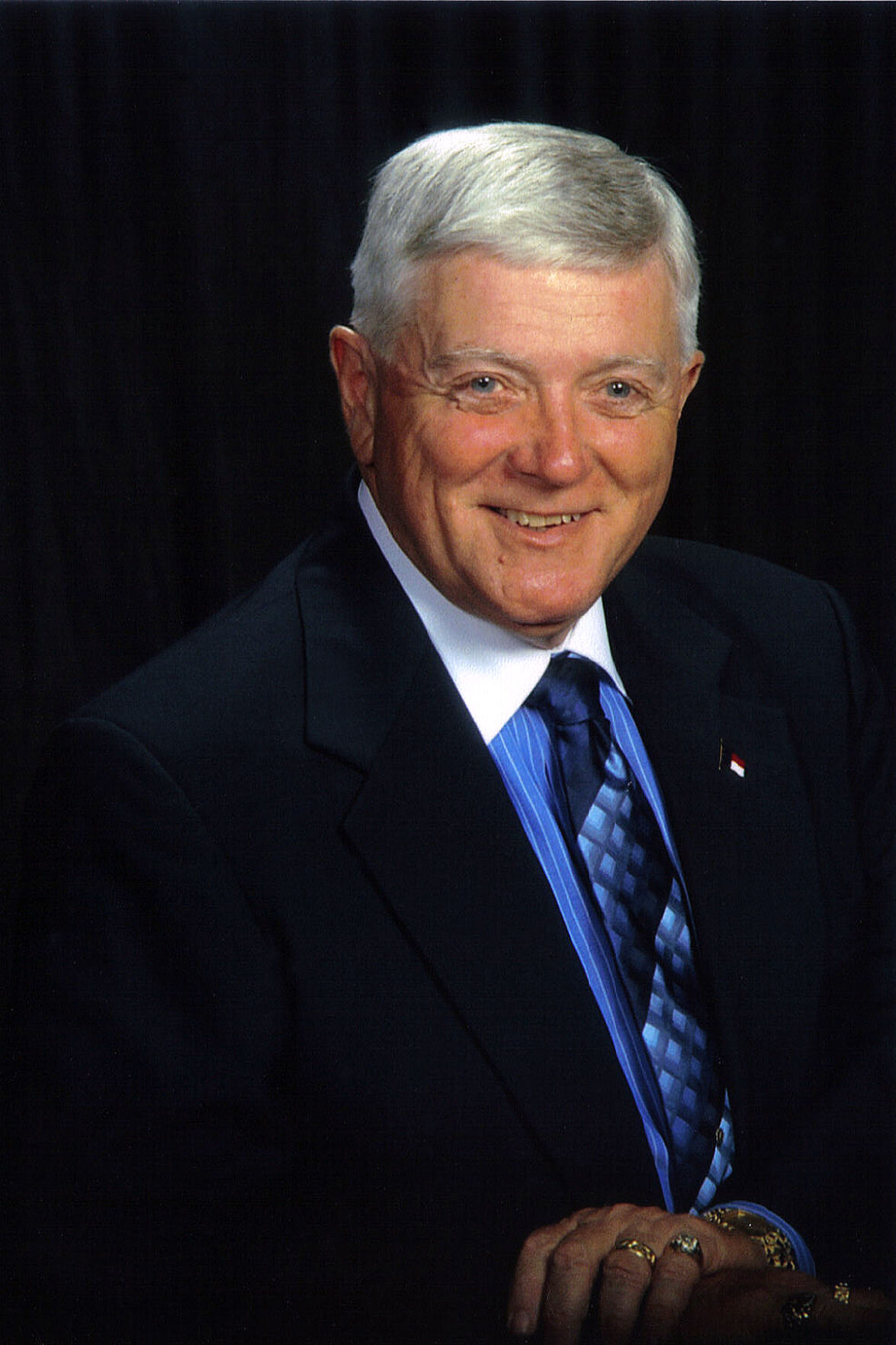
Carswell
In short: lottery money does help Burke County schools, but it is not a separate pot of money the county or school board can spend whenever a need comes up.
The money is controlled by the state, limited to specific uses, and too often misunderstood as a cure-all for local school funding problems.
Every time the Burke County Board of Education or Burke County Public Schools says anything about money, the same answer lights up Facebook: “Use the lottery money.”
It sounds simple. It sounds fair. It sounds like what we were promised when North Carolina created an “education lottery.” But the real truth is more complicated — and Burke County taxpayers deserve to understand it.
The lottery does help education. That part is true. State lottery dollars have paid for school construction, repairs and renovations, NC Pre-K, college scholarships, non-instructional support staff, and transportation.
Burke County has benefited, including a $42 million Needs-Based Public School Capital Fund grant announced in 2024 for a new Eastern Burke County Elementary School.
But here is the problem: lottery money is not a magic bank account sitting in Raleigh with Burke County’s name on it.
Local school boards do not simply decide to pull lottery proceeds whenever they need money for salaries, buildings, buses, safety, maintenance, or classroom needs.
State legislators decide how lottery dollars are divided, what categories they support, and how much goes into those categories.
Here is how the money actually moves: lottery profits go first to the state, then are distributed according to the state budget through formulas, grants, and specific program categories.
Burke County does not “draw down” lottery money on demand, and neither does the local school administration. The money is released only through the uses approved by state law and the General Assembly.
The latest county figures posted by the North Carolina Education Lottery show that Burke County received $5,236,947 in lottery-supported education funding in fiscal year 2025.
That included $1,305,663 for school construction, $2,864,931 for school staff support, $542,254 for NC Pre-K, $421,894 for college scholarships, and $102,205 for school transportation.
The same county page reports a cumulative Burke County total of $131,403,716 since the lottery began, including the $42 million needs-based school construction grant for the new Eastern Burke County elementary school.
That is where the public has been misled. The original promise many people remember was that lottery revenue would be extra money for education. Over time, however, the percentage of lottery sales actually going to education has fallen.
Public Schools First NC reports that the education share dropped from 20.3 percent in fiscal year 2023-24 to 16.4 percent in fiscal year 2024-25, even as total lottery sales reached about $6.59 billion.
In plain English: the lottery can sell more tickets while schools do not receive a larger share.
That is why saying “just use the lottery money” is not a solution. Some lottery money is restricted to capital projects. Some flow through state formulas. Some require counties to apply and compete for grants.
Some help programs that are important but are not controlled by the local school board. And some lottery dollars may reduce pressure on the state budget without solving the actual local needs that counties still have to fund.
People are right to ask hard questions when school officials request money. Taxpayers should demand clear answers.
School leaders should explain every major need clearly and show where local, state, federal, and lottery funds are going. But the answer cannot be a slogan. If we want responsible decisions, we have to stop pretending lottery money solves everything.
The real truth is this: the lottery helps, but it does not replace the responsibility of the State of North Carolina, Burke County, and local leaders to fund public education honestly.
If we want better schools, safer buildings, reliable transportation, and strong classrooms, we need more than lottery talking points.
If Burke County wants stronger schools, we cannot keep pretending that a scratch-off ticket is a school funding plan.
For me, this comes down to accountability. I do not want our community to keep blaming local schools for decisions made in Raleigh. I want our legislators to answer plainly for how lottery money is divided, why the education share has changed, and whether they are truly using it to strengthen public schools.
If they campaign on supporting education, then they should be held accountable for funding it honestly — not hiding behind lottery slogans while local communities are left to solve the problem.
Johnnie Carswell is a former Burke County commissioner and is a past president of the N.C. Association of County Commissioners. He is currently a member of the N.C. Rural Infrastructure Authority.