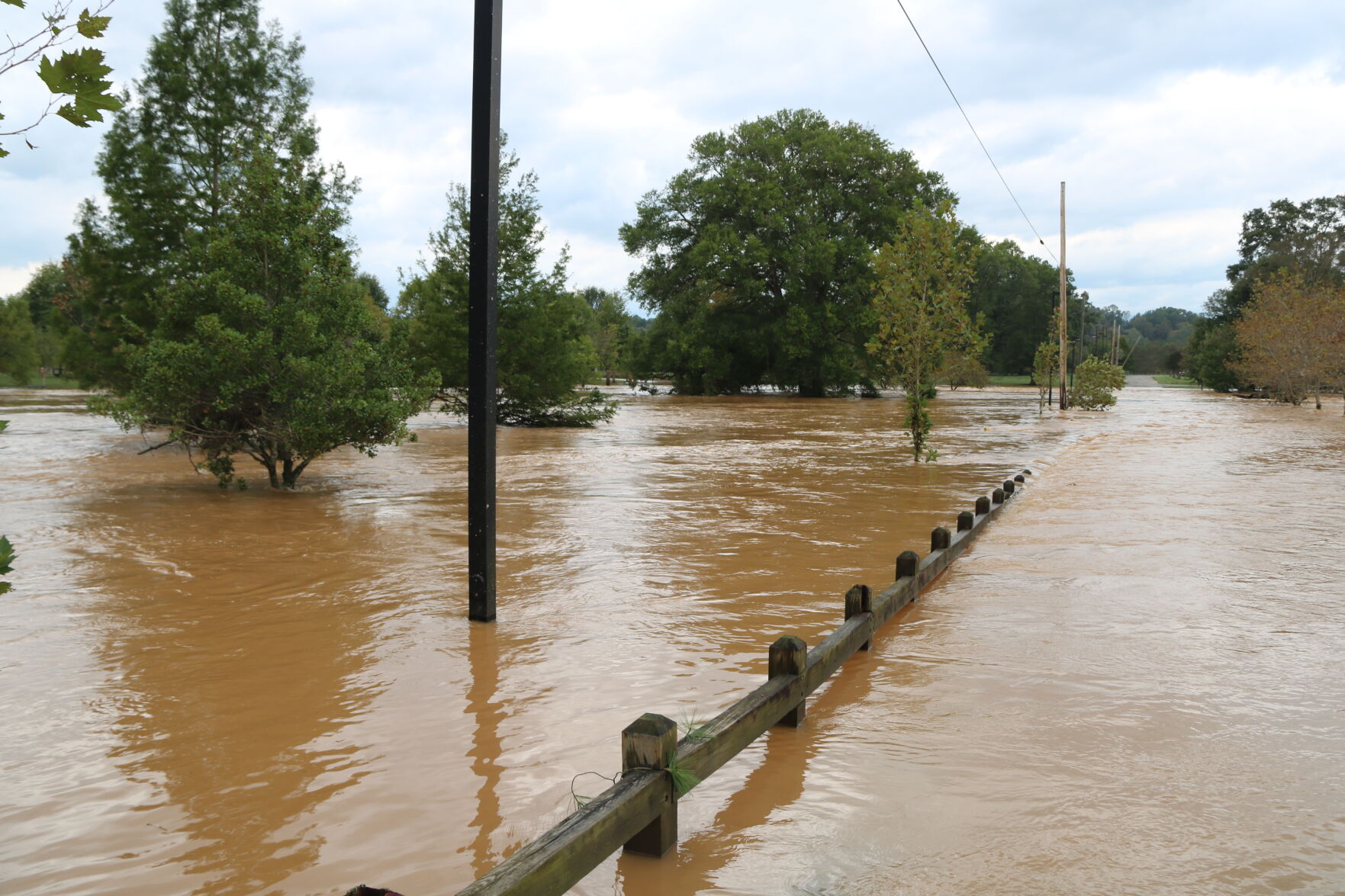
The largest City of Morganton park, Catawba Meadows, was severely flooded as a result of Hurricane Helene. The park has since been reopened, though some of the athletic fields are still closed.
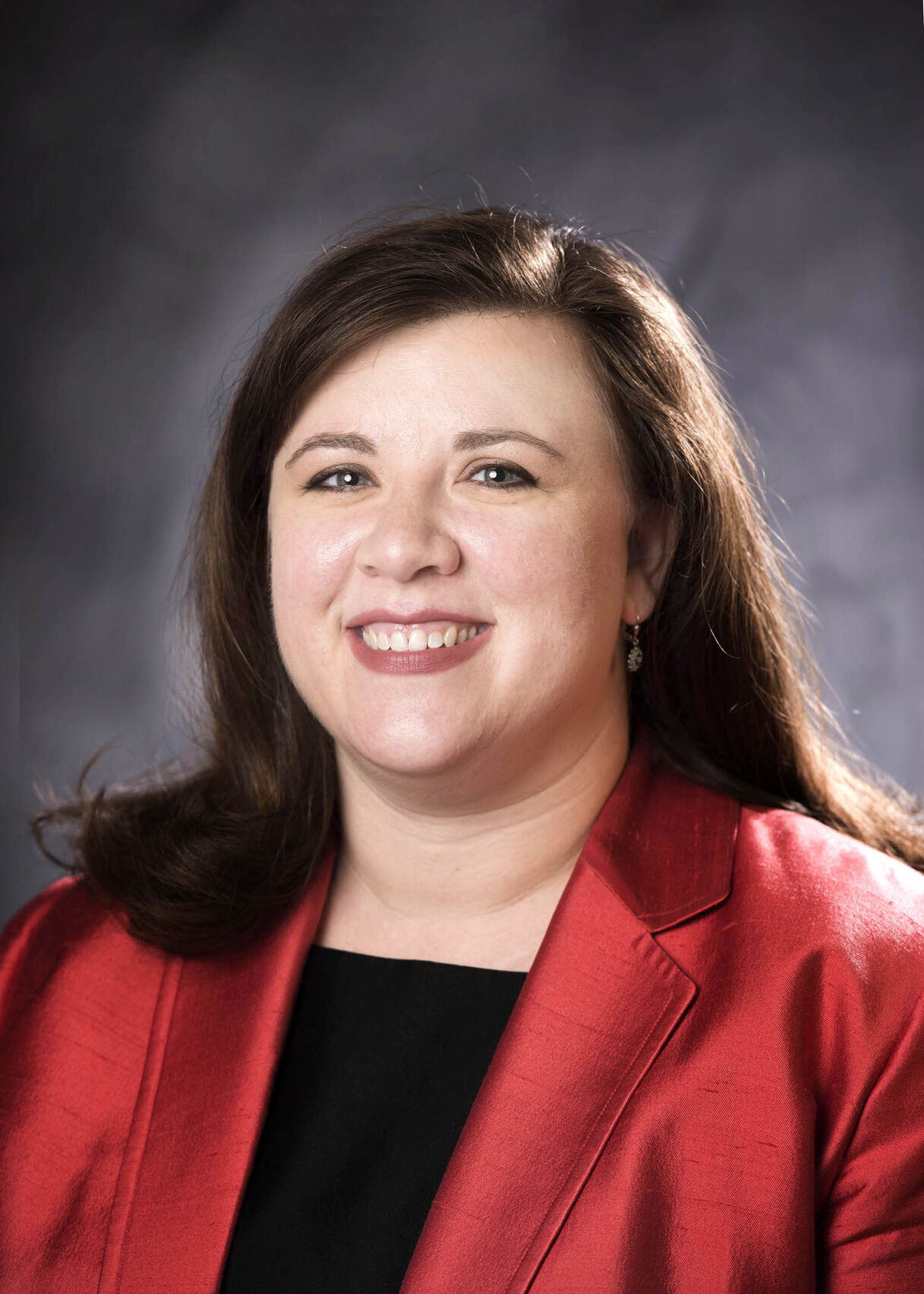
Emily Williamson Gangi is a Burke County native and now serves as the Chief Deputy Director of GROW NC, an office created by Gov. Josh Stein to help with Hurricane Helene recovery efforts.
GROW NC’s Emily Williamson Gangi recently paid a visit to Morganton to talk with City Manager Sally Sandy about how the office can help advocate for Western North Carolina communities in their road to recovery.
GROW NC, Governor’s Recovery Office for Western North Carolina, was created by Gov. Josh Stein to bring a heightened focus, accountability and transparency to Hurricane Helene recovery efforts.
“We’re basically the nerve center for state government in the recovery process,” Gangi said. “So, part of our role is to coordinate among all the various state agencies that administer programs related to the recovery, and then another important goal is to support the local governments in accessing various resources and helping them meet both the immediate and long-term needs.”
Emily Williamson Gangi is a Burke County native and now serves as the Chief Deputy Director of GROW NC, an office created by Gov. Josh Stein to help with Hurricane Helene recovery efforts.
FOR THE PAPER
Gangi said the office also spends a lot of time working to obtain the resources needed for recovery, primarily from the federal government and various federal agencies and then works in close partnership with the N.C. General Assembly to advocate for the needs expressed in meetings with local communities.
While meeting with Gangi, Sandy said one important area of focus was how to identify lost revenues and then defend that information when asking for assistance from the N.C. General Assembly.
“It’s easy to tell, you know, how much water revenue I’m not getting this month that last year at the same time I was getting with businesses closed down,” Sandy said.
Pinpointing lost tourism dollars is much more difficult. “How do you quantify the fact that I have two major parks closed that are normally recreational tourism attractors?”
The largest City of Morganton park, Catawba Meadows, was severely flooded as a result of Hurricane Helene. The park has since been reopened, though some of the athletic fields are still closed.
FOR THE PAPER
According to Bryan Fish, parks and recreation director for the city, 20 or more baseball and softball tournaments typically occur annually at Catawba Meadows Park alone. With the cancellation of those events, Sandy is budgeting $400,000 less in field rentals and concession revenue for the 2025-26 fiscal year.
“What I can’t quantify is how many hotel rooms that those tournaments would have caused to be full here and how many of those people would eat out for meals … those dollars become much harder to drill down to an exact calculation.”
Gangi said Stein has asked the legislature to provide revenue replacement funding to help local governments most affected by the loss of economic activity — including declines in user fees for facilities like parks, reduced sales tax revenue, and property value losses from damage to homes and businesses.
“While they’ve lost revenues, they’re also having increased demand for their services and need to spend additional funds to restore what was lost from the disaster,” Gangi said, adding that most of the state and federal programs are reimbursement programs so the local government has to spend the money upfront and then get reimbursed.
To combat lost tourism dollars, Sandy said she also discussed messaging and how to coordinate with the 25-30 tourism authorities in western North Carolina to send a unified message that “yes, we are open for business, because lots of folks may make decisions not to come in the uncertainty.”
Sandy also said one area that she discussed that might be helpful would be a resource team of perhaps retired — but still licensed — building inspectors, engineers, and project managers, who could come in and help communities rebuild and repair.
“You know, the bandwidth in all of our communities is pretty limited,” Sandy said, “and so you’re already struggling to do your normal work and run a city and now you’ve just added everything else on top of that.”
Gangi said that GROW NC analyzes the needs expressed in meetings with local community leaders. Those needs are shared with Stein so he can make recommendations to the legislature, with his most recent being a second Hurricane Helene budget proposal on Monday.
In the proposal, $260 million is listed to spur economic recovery by supporting businesses and local governments and promoting Western North Carolina’s tourism industry. Another $239 million is listed to strengthen critical infrastructure by repairing damaged schools, expanding debris clean-up, and investing in projects to safeguard against future disasters. Stein also requested more funding to advance housing recovery; assist families who have struggled with rent, mortgage, and utility bills; rehabilitate waterways and farmland; address food insecurity; and more.
Serving Western North Carolina, especially places like Morganton, was a no-brainer, Gangi said. As a Burke County native and part-time Morganton resident, Gangi worked for Western Piedmont Community College for more than eight years before continuing her career in Raleigh.
Prior to serving as chief deputy director, she worked as the state’s broadband policy director and was involved in Hurricane Helene recovery by ensuring Western North Carolinians had internet access and by improving telecommunications infrastructure.
When Stein asked her to help lead the office, she said she “couldn’t say no because this is the largest disaster in our state history and it’s in the top 10 nationally and this is just a really critical time for this region of our state and I want to be part of the solutions, help folks thrive and to help communities be stronger than they were before the disaster.”
Madison Lipe is the municipal reporter for The Paper. She can be reached at 828-445-8595 or madison@thepaper.media.
Keep it Clean. Please avoid obscene, vulgar, lewd,
racist or sexually-oriented language. PLEASE TURN OFF YOUR CAPS LOCK. Don't Threaten. Threats of harming another
person will not be tolerated. Be Truthful. Don't knowingly lie about anyone
or anything. Be Nice. No racism, sexism or any sort of -ism
that is degrading to another person. Be Proactive. Use the 'Report' link on
each comment to let us know of abusive posts. Share with Us. We'd love to hear eyewitness
accounts, the history behind an article.














(0) comments
Welcome to the discussion.
Log In
Keep it Clean. Please avoid obscene, vulgar, lewd, racist or sexually-oriented language.
PLEASE TURN OFF YOUR CAPS LOCK.
Don't Threaten. Threats of harming another person will not be tolerated.
Be Truthful. Don't knowingly lie about anyone or anything.
Be Nice. No racism, sexism or any sort of -ism that is degrading to another person.
Be Proactive. Use the 'Report' link on each comment to let us know of abusive posts.
Share with Us. We'd love to hear eyewitness accounts, the history behind an article.