

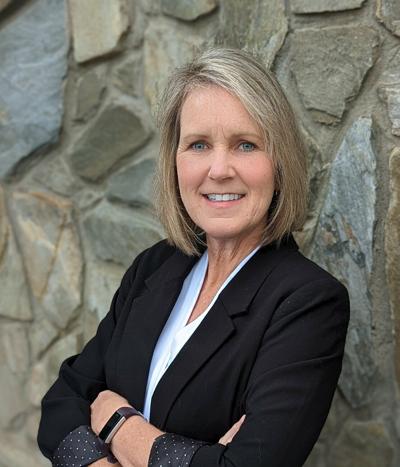


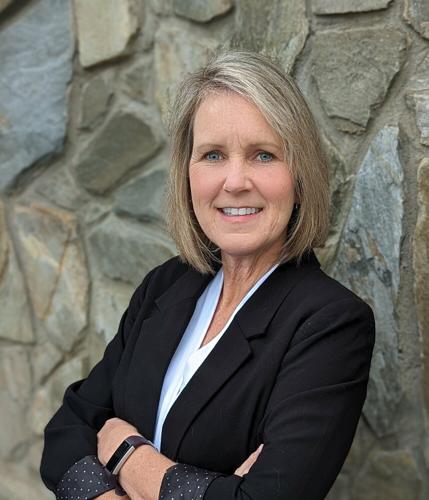
A Burke County nonprofit leader focused on outdoor recreation and community development has completed a regional leadership program aimed at strengthening rural communities across North Carolina.
Beth Heile of the Burke River Trail Association recently graduated from the NC Rural Center’s Homegrown Leaders program, a western North Carolina training held in Boone from June 23-25. The Rural Center describes Homegrown Leaders as a 2.5-day to three-day regional leadership and community economic development training designed to help existing and emerging leaders build skills, relationships and regional collaboration.
A Valdese resident, Heile said one of the benefits of the program was the idea that rural communities should be defined by their assets, not their challenges.
“One of the most valuable lessons from Homegrown Leaders is that rural communities should be defined by their strengths, not their challenges,” Heile said. She said the program also gave her a chance to learn alongside leaders from across western North Carolina and return to Burke County with “new perspectives, new relationships, and a renewed commitment” to help local communities build on what already makes them strong places to live, work and visit.
That message lines up with the Burke River Trail Association’s mission. The group works to advance the Burke River Trail, a long-planned greenway and recreation corridor connected to the Catawba River and broader community-quality-of-life goals in Burke County.
The Rural Center said 32 participants completed the Boone training. Program leaders said the class included people from local government, health care, education, faith communities and nonprofit organizations.
Olaunda Green, the Rural Center’s director of leadership training, said thriving rural communities depend on capable and committed leaders who can respond to challenges and opportunities.
The Rural Center says Homegrown Leaders helps participants better understand rural economic development, strengthen collaborative leadership habits, build community engagement strategies and develop relationships they can use after the training ends.
That kind of training has practical local value in a county like Burke, where long-term growth often depends on leadership that connects tourism, outdoor assets, small business activity, infrastructure and quality-of-life improvements.
The NC Rural Center, founded in 1987, says it serves North Carolina’s 78 rural counties and focuses on improving quality of life in rural communities, especially for people with low to moderate incomes and places with limited resources. The organization says leadership development remains central to its work and notes that its broader leadership efforts, including Homegrown Leaders and its flagship Rural Economic Development Institute, have trained more than 1,700 community leaders over time.
Rural Center President and CEO Patrick Woodie said leadership development is especially important as communities work to foster growth and innovation.
—AVN


















(0) comments
Welcome to the discussion.
Log In
Keep it Clean. Please avoid obscene, vulgar, lewd, racist or sexually-oriented language.
PLEASE TURN OFF YOUR CAPS LOCK.
Don't Threaten. Threats of harming another person will not be tolerated.
Be Truthful. Don't knowingly lie about anyone or anything.
Be Nice. No racism, sexism or any sort of -ism that is degrading to another person.
Be Proactive. Use the 'Report' link on each comment to let us know of abusive posts.
Share with Us. We'd love to hear eyewitness accounts, the history behind an article.