

When May came to a close, Broughton Hospital marked two decades of the continuous operation of the Deaf Services Program, which expands mental health access for Deaf patients across the state with a community already rooted in Burke County.
Broughton, in Morganton, is one of three state-managed psychiatric hospitals, including Cherry and Central Regional hospitals. Broughton is the only one of the three that offers Deaf services.
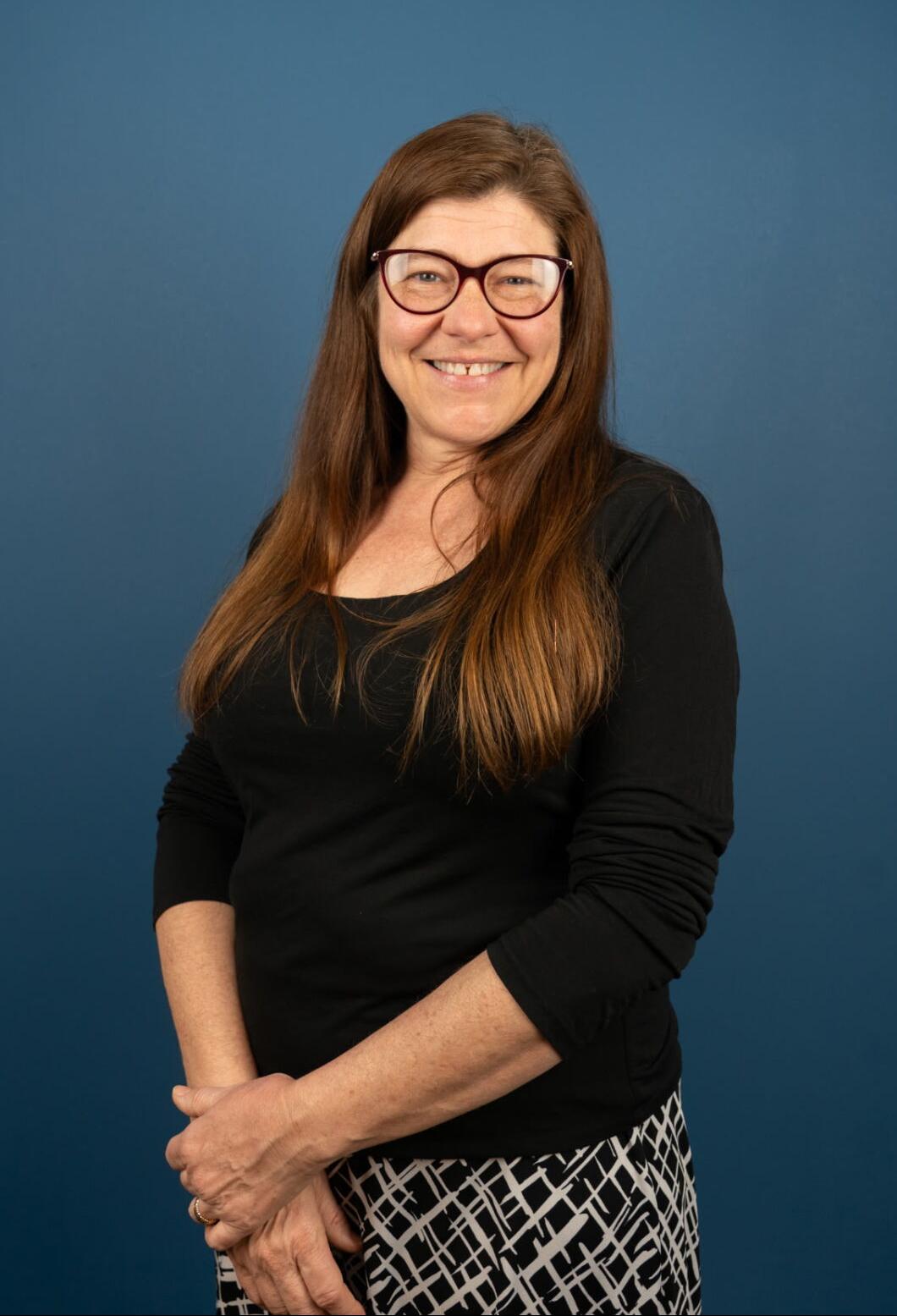
Tate
“The largest impact that we have is simply being able to accept the individual and meet them where they are, and provide 24/7 communication access,” said Deaf Services Program Director Dr. Candice Tate, who’s served in the role since 2019.
“So, they’re not isolated from their peers and from treatment and from normal assessments. It can change the entire experience.”
WHY BROUGHTON?
Morganton holds a reputation as a central hub for Deaf and hard-of-hearing individuals due to the presence of the North Carolina School for the Deaf and Alder Springs Deaf & Blind Community.
Although the Deaf services program was established in Morganton in 1974, it was moved to Dorothea Dix Hospital in Raleigh before returning to Broughton in May 2006 because of the region’s large Deaf population and concentration of related services.
An average of about seven Deaf patients is served each year at Broughton with 14 dedicated beds available total.
Tate said the access to apt communication and cultural understanding sets the Deaf services program apart from other mental health facilities, with 12 interpreters available 24 hours a day, year-round.
“Sometimes what happens is a Deaf individual will get admitted to a hearing hospital and there won’t be an interpreter available and the various services, from psychiatric services to social work, are not accessible to that Deaf individual,” Tate explained.
Although hospitals can bring in a video remote interpreter, the lack of a qualified, in-person interpreter can have serious repercussions with patients.
“Especially if you’re hallucinating (or) you’re delusional,” Tate said. “You have a lot of paranoia. You’re scared and you don’t really know what’s going on. You’re stressed out, and to be placed in a system that has no awareness of what your cultural and communication needs are, it can be traumatic and compound the already stressful situation the individual is experiencing.”
TWO DECADES OF CHANGE
The capabilities of Deaf mental health services have shifted “significantly” since Broughton reintroduced the program 20 years ago, according to Tate. She laid out three integral ways opportunities have changed.
First and foremost, she said, the recognition of American Sign Language (ASL) as an official language by North Carolina in 2007 changed the landscape of accessibility.
“Just recognizing that it has its own language, that it wasn’t a sub-form of English, was huge,” Tate said, explaining that that designation led to its integration into professional settings and the psychology community.
Second, she pointed to an acknowledgement of language deprivation playing a significant part in Deaf individuals’ development.
Children born without the ability to hear may miss some of the incidental learning that hearing children acquire through sound, which can create challenges in social settings and affect certain aspects of cognitive development, Tate said.
This is referred to as language deprivation.
“Without language, it’s very difficult to label and identify emotions, to label and identify social interactions and appropriate social interactions,” Tate said. “Without a strong understanding of your emotions and the social rules, you can then have more behavioral issues.”
Finally, the lack of access to communication in a systemic setting, such as a hospital, “can be traumatizing as well,” Tate said.
WHAT THE FUTURE LOOKS LIKE
To Tate, success looks like individuals returning to the community and living a stable life, despite the continued struggle that comes with any mental health program: a lack of sufficient community resources.
“Our unit has a little bit more of a challenge because we are trying to find community resources statewide as opposed to just our local region,” Tate explained, referencing the fact that they serve patients from across North Carolina.
Her hope is that as time goes on, access to accurate interpreters across healthcare providers becomes the norm.
“Personally, if you step outside of Broughton, my goal would be that the mental health development of Deaf children is well-supported and their language development is well-supported, so that when they do become adults, they’re healthy, functioning adults that don’t need our services at all,” she said.