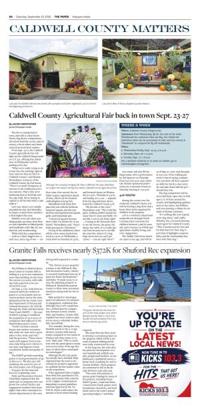

Leonard's Taxidermy: The memories behind the mounts

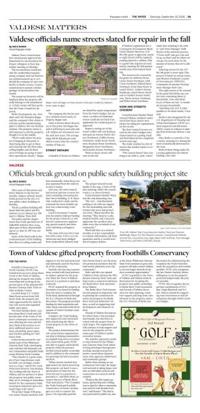
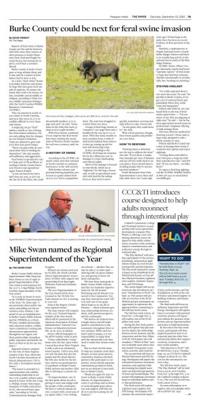
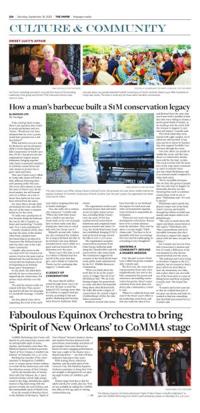
Mark Leonard puts the finishing touches on a mounted bear’s head.

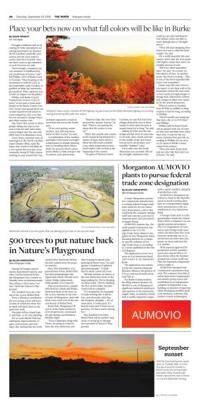
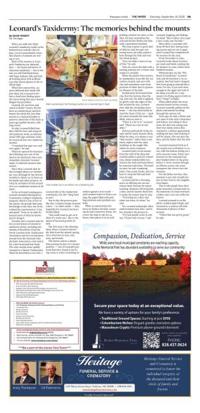
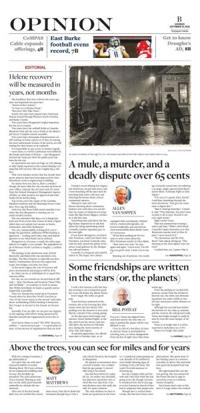
The work area at Mark Leonard’s Taxidermy is crowded with examples of his work.

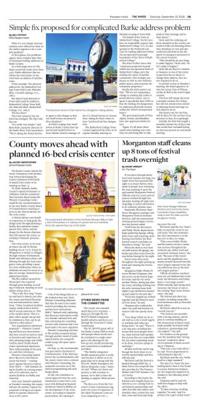
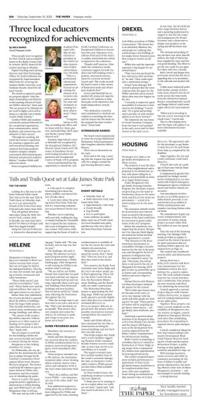
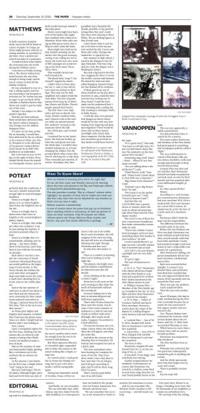
One mistake can in an instant ruin a taxidermy job.
When you walk into Mark Leonard’s taxidermy studio in his backyard just outside Glen Alpine, you are immediately aware that dozens of animals are staring at you.
Most of the mounts at Leonard’s Taxidermy are whitetail deer — the bread and butter of American taxidermy — but in the mix you will find black bears, wild hogs, bobcats, fish and fowl, all looking down with artificial eyes that almost glisten in the artificial light.
When deer season hits, 130 more whitetail deer heads will join them, but Leonard won’t have a hard time finding space. He’s been doing this since Ronald Reagan was president.
Leonard, 66, was born and raised in Burke County. He has been an outdoorsman and bow hunter his whole life, but what started as a backyard hobby to preserve memories of the hunt 41 years ago quickly became a lifelong career.
In 1985, Leonard killed four deer with his bow, and using an old taxidermy book, an informational VHS tape and basic tools, he turned all four into taxidermy mounts.
“I watched that tape over and over again,” he said.
When he opened for business the following year out of the shed in his backyard, there was immediate demand: Leonard made 18 whitetail mounts that season.
Since then, Leonard said, he has averaged about 200 mounts per year, although he has slowed recently to about 130 to focus on his family and other projects. In total, he estimates he has exceeded 6,000 taxidermy mounts of all types.
As far as formal training goes, Leonard attended Montgomery Community College’s taxidermy program, which is one of few in the nation. He already had some knowledge at the time, but he described the coursework as “a lot, and quick.” Even so, he said, he learned most of what he knows just by doing it.
Decades later, Leonard said, he has scored dozens of awards in taxidermy shows, including two Awards of Excellence from the North Carolina State Taxidermist Association and two second-place awards from the National Taxidermists Association, each award for a deer head and bear head. The state awards alone qualify Leonard as a Master Taxidermist, which he described as not only a coveted title in the taxidermist community, but also “dang hard to win.”
Day to day, the process goes like this: A hunter brings Leonard a deer — or other critter — that, hopefully for Leonard, has been freshly killed.
“You really want to get on it when it’s warm out,” due to the speed of bacterial growth, he said.
The first stop is the skinning shed, where Leonard removes the hide from the animal, paying close attention to eyes, ears, nose, and mouth.
The hunter selects a plastic form posing the deer in a chosen position — one of Leonard’s personal favorites, found in his living room, is a deer scratching its antlers against a tree trunk — and Leonard orders it from a catalog, the pages filled with pickling solutions and synthetic eyeballs.
While Leonard awaits the form, he fleshes the hide, removing fat and connective tissue. He covers the hide in salt for 24 hours, then places it in an acid pickling solution for three to five days. He then neutralizes the acid and further fleshes the hide with a specialized machine.
This step requires a great deal of skill, he said, because one wrong move can easily punch a hole through the hide and ruin the whole project.
“You can make a mess of any of this,” he said.
Next, he covers the hide with a tanning solution for 10 hours and washes it carefully.
When the plastic form arrives, he manipulates areas like the eye sockets, mouth, and ears with clay and sometimes casts from portions of other deer to guarantee fitment of the hide.
Eyelids must be formed from clay, first the bottom, then the top, and once the hide is applied, he gently curls the edges of the lids around the clay. Leonard then slips the nictitating membrane — the tiny third eyelid toward the front of the eye — back into place beneath the main lids. Blink, and you miss it.
“There is a lot to it,” Leonard said. “There are a lot of variables.”
Fish are particularly tricky, he said, and he rarely mounts them. When he does, it is always a real “skin mount,” rather than a synthetic replica with the same markings as the caught fish, which are more common.
Leonard took a trout mount from the wall of his shop and used his pinky to gesture toward tiny, almost undetectable incisions in the back and head where he removed each bone. The hardest part, he said, is painting them. One errant stroke, and you have to strip the fish and start over, he said.
Leonard said he is focusing more on offering one-on-one classes lately because he enjoys teaching. Students will bring him a deer, and he teaches them how to make the mount step by step.
“You bring me a deer, and when you leave, it’s done,” he said.
Yet, Leonard said people often underestimate how time- and labor-intensive the process is.
“I’ve had people come in and say, ‘I’ll just wait on you,’” said Leonard, laughing and shaking his head. “But it takes a lot to get a deer ready, just the hide.”
Most often, a customer will drop off their deer during hunting season and not see it again until Leonard has completed all his mounts for the year.
From November to June, Leonard works about 65 hours per week and holds a pickup day for hunters to come collect their finished mounts.
Whitetail deer are the “lifeblood of taxidermy,” Leonard said, and his business is no exception. But that hasn’t stopped him from going in unusual directions: For one, if you look close enough at the upper left wall of his shop, you will see a tiny mount of a flying squirrel with its furry “wings” in flight.
When asked about the most unusual mount he has created, Leonard excitedly pulled out his phone and started scrolling through his camera roll.
Years ago, he said, a father and son came to him with a dead deer and bobcat. According to their story, the deer was eating near their tree stand, and as they watched it, a bobcat approached, stalking the deer and readying itself for attack. The son shot the deer, and the father shot the bobcat.
Leonard mounted both as if the attack were still about to occur, with the bobcat sitting on a rock, muscles tense, feline eyes focused on the unsuspecting deer bedded down in the grass before it. Even viewed through an iPhone screen, the scene transports the viewer into the moment.
For the father-son duo, that moment is not only visually frozen in time forever, but tangible, even haptic.
This is why people have their game mounted, Leonard said: so, the memories of a hunt between a father and a son can really last forever.
Leonard zoomed in on the photo, nodded approvingly, and returned to a camera roll with thousands of photos of deer mounts.
“I liked that one pretty good,” he said.