
Morganton’s fluoride repairs may be on hold with RFK Jr. as health secretary

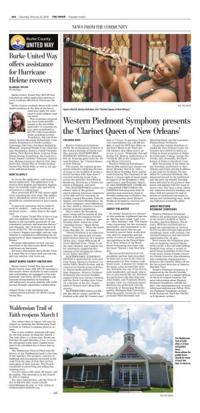
Water faucets in Morganton’s water treatment plant flow different stages of the treatment process. The city was recently awarded $8 million for projects to make the city’s water distribution system more resilient post Hurricane Helene.
With the confirmation of Robert F. Kennedy Jr. as national secretary of Health and Human Services, chances are that the City of Morganton won’t have to worry about repairs to the equipment that puts fluoride into its water system.
The new secretary, whose nomination by President Trump was approved by the U.S. Senate on Thursday, had previously vowed to remove fluoride from drinking water.

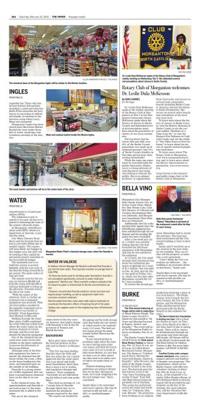
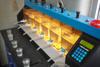
Morganton Water Plant control room.
Fluoride is a naturally occurring mineral that has been added in small amounts to water supplies across the country for decades. According to the Centers for Disease Control, it helps prevent cavities and promotes good oral health.
It is up to local water systems as to whether they use fluoride, but per state regulations, the maximum concentration is 4.0 parts per million (PPM).
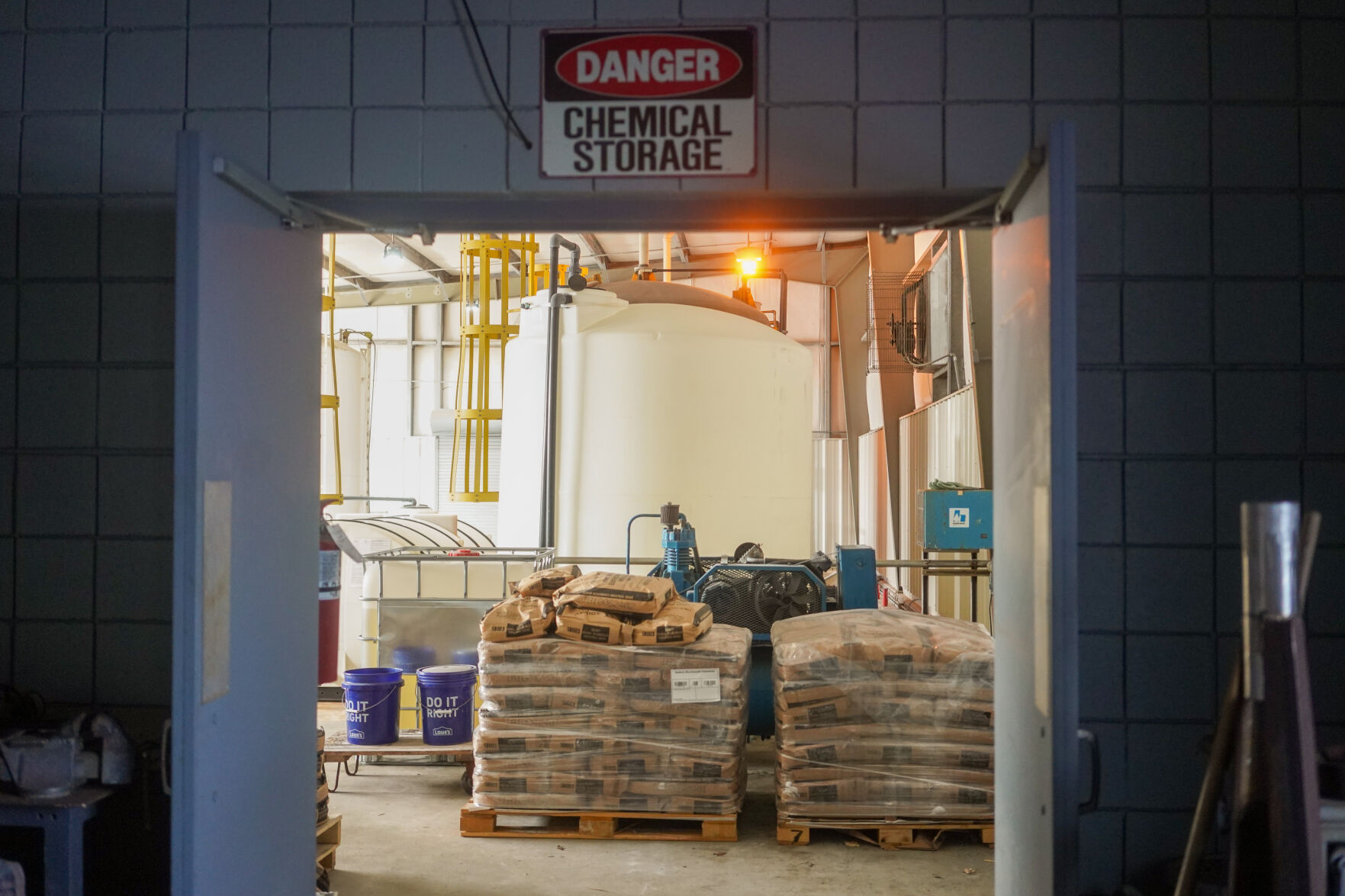
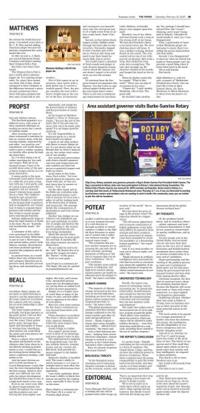
Morganton Water Plant’s chemical storage room, where the fluoride is housed.
The substance is not required to be used; all that is required is informing the state of the system’s fluoride status.
In Morganton, hydrofluorosilicic acid (HFS), which is a liquid form of fluoride, is put into the water.
City Water Director Brad Boris said the fluoride feed system is currently offline due to needed repairs. The repairs will most likely not happen in this budget year, but staff will be looking at this capital improvement project sometime in the fiscal 2025-26 budget.
The estimated cost to rebuild the system is around $400,000, with the unit costs of the fluoride being around $0.52 per pound. The plant orders 23 tons per load.
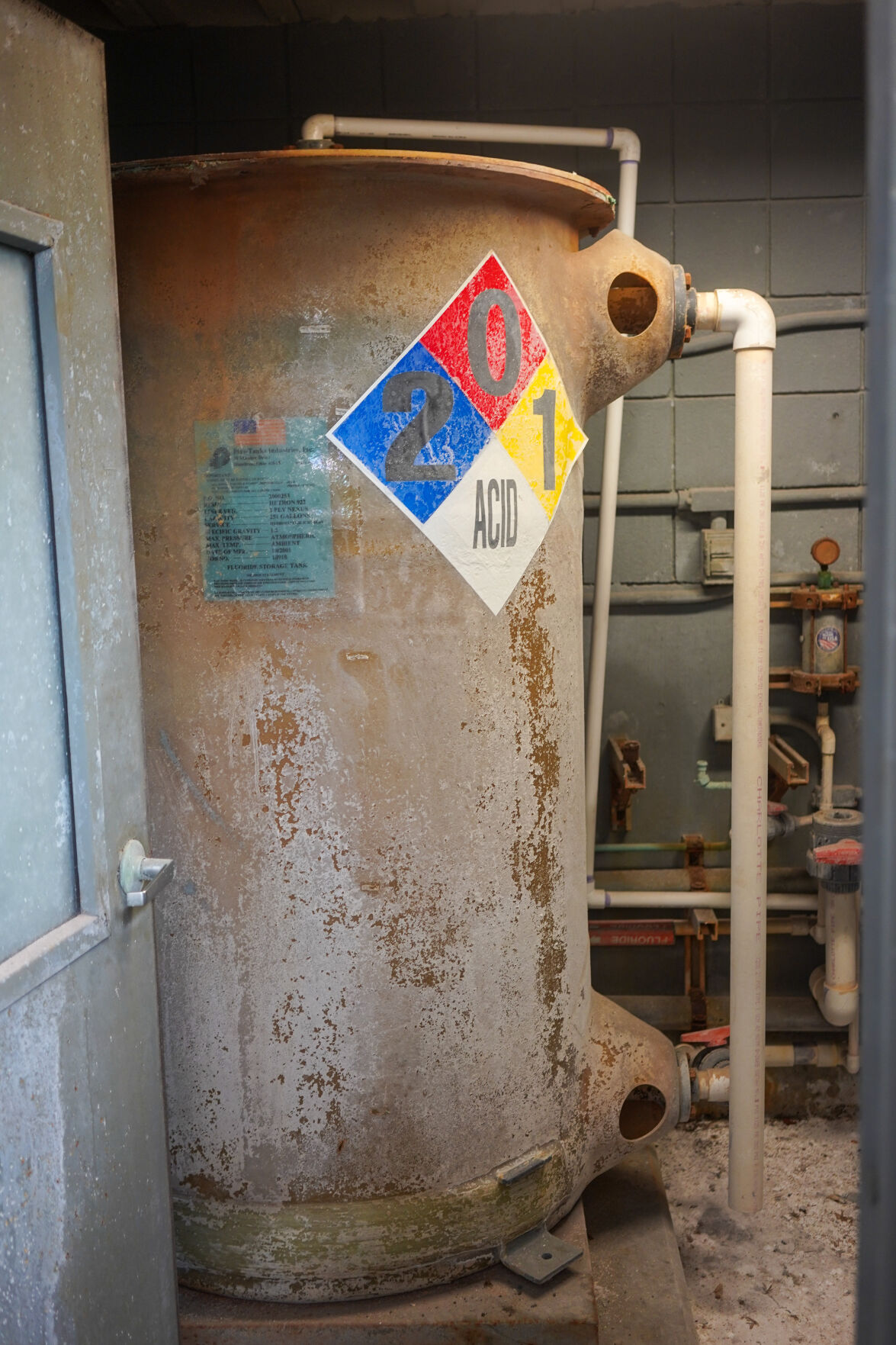
Morganton Water Plant’s fluoride room.
The annual costs for the system are between $80,000 and $132,500, along with $23,000 of calcium hydroxide to bring up the pH levels. Fluoride lowers the pH of the water.
“With the nature of the chemical, there is routine operational cost to damaged equipment also involved. With all externalities considered, the annually estimated cost to feed HFS at our facility is $150,000,” Plant Superintendent Micheal Griffin said.
Walking through the water filter plant, Griffin explained the water filtering system from where the water comes in, the various channels it travels through, and the room that housed the fluoride equipment.
One of the channels has elevated river water levels with residue as the plant continues to process the aftermath of Hurricane Helene.
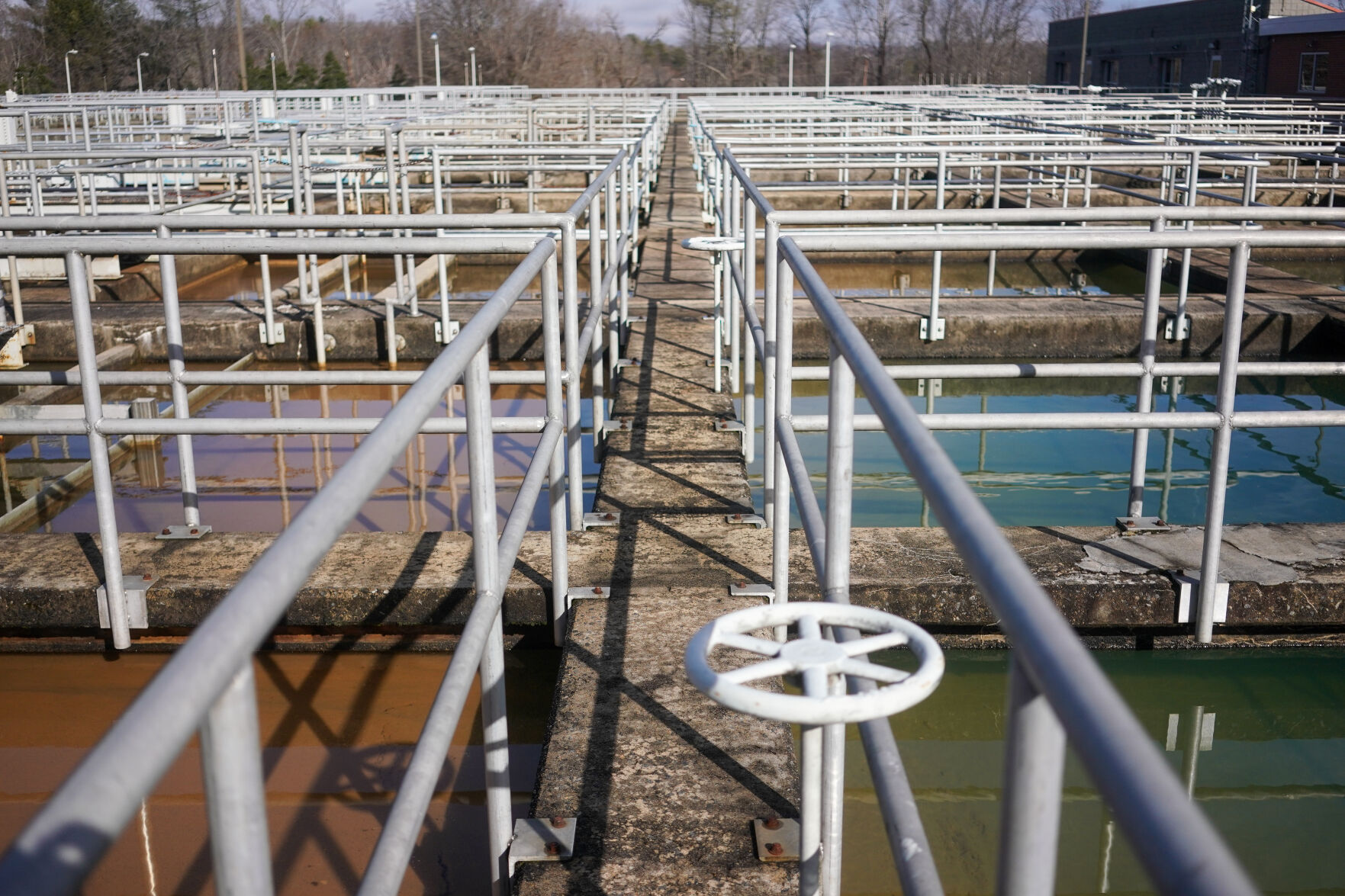
The City of Morganton and the Town of Drexel received a combined $15 million in funding for a water interconnection project with the Town of Valdese. However, Valdese did not receive the funds to move forward, halting plans for the project.
Although some of the fluoride equipment has been removed, the chemical has left stains within the room, a film on the doors leading into the room, and bleached spots on the outside of the building.
Fluoride is a strong chemical, Griffin explained, that can leave a second-degree chemical burn on the skin in its raw form.
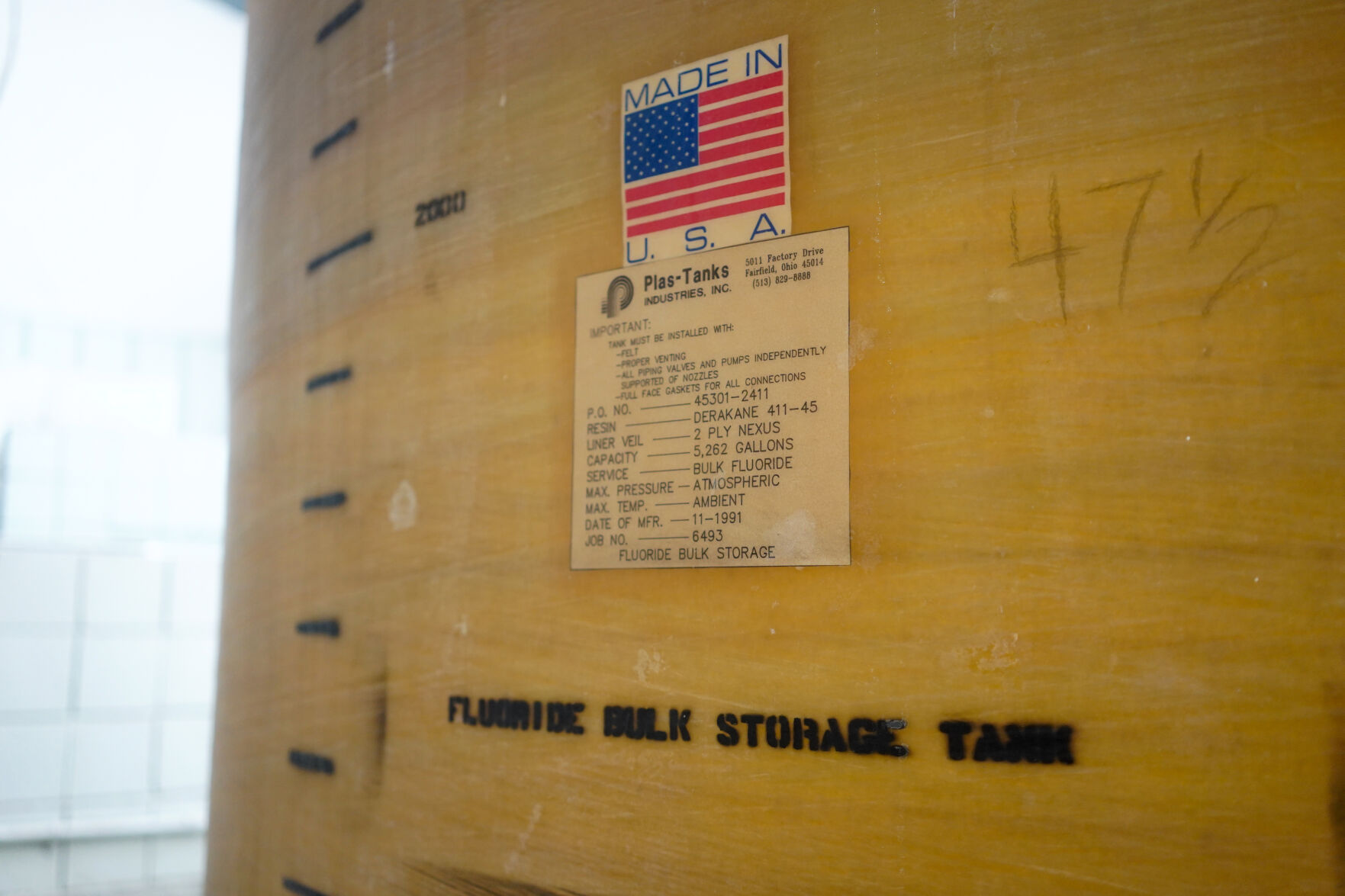
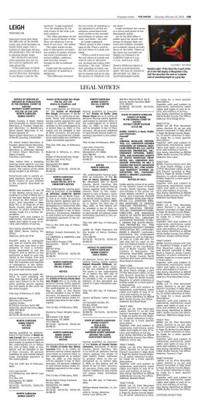
The fluoride bulk storage tank in the Morganton Water Plant.
In the chemical room, the superintendent said fluoride is not used as part of the water treatment but is added to the water.
The use of the chemical comes down to the city council, however, that might change with Kennedy’s role in the Department of Human and Health Services.
BACKGROUND
Boris gave some context for the internal policies on fluoride and its history in Morganton.
“The City has been feeding fluoride since the 1970s and that was when the city council approved that the water plant was to go ahead and implement fluoridation. Since then, there’s been a lot of studies and regulatory changes and whatnot,” Boris explained. “Currently we are still following the federal and state guidelines.”
They feed an average of .5 to .7 ml per liter of fluoride through which they try to maintain the minimum amount required by the state.
The repairs are needed for the piping and the bulk storage tank that holds the raw material, which needs to be replaced every 5-15 years. The feed system began giving the plant trouble before Hurricane Helene came.
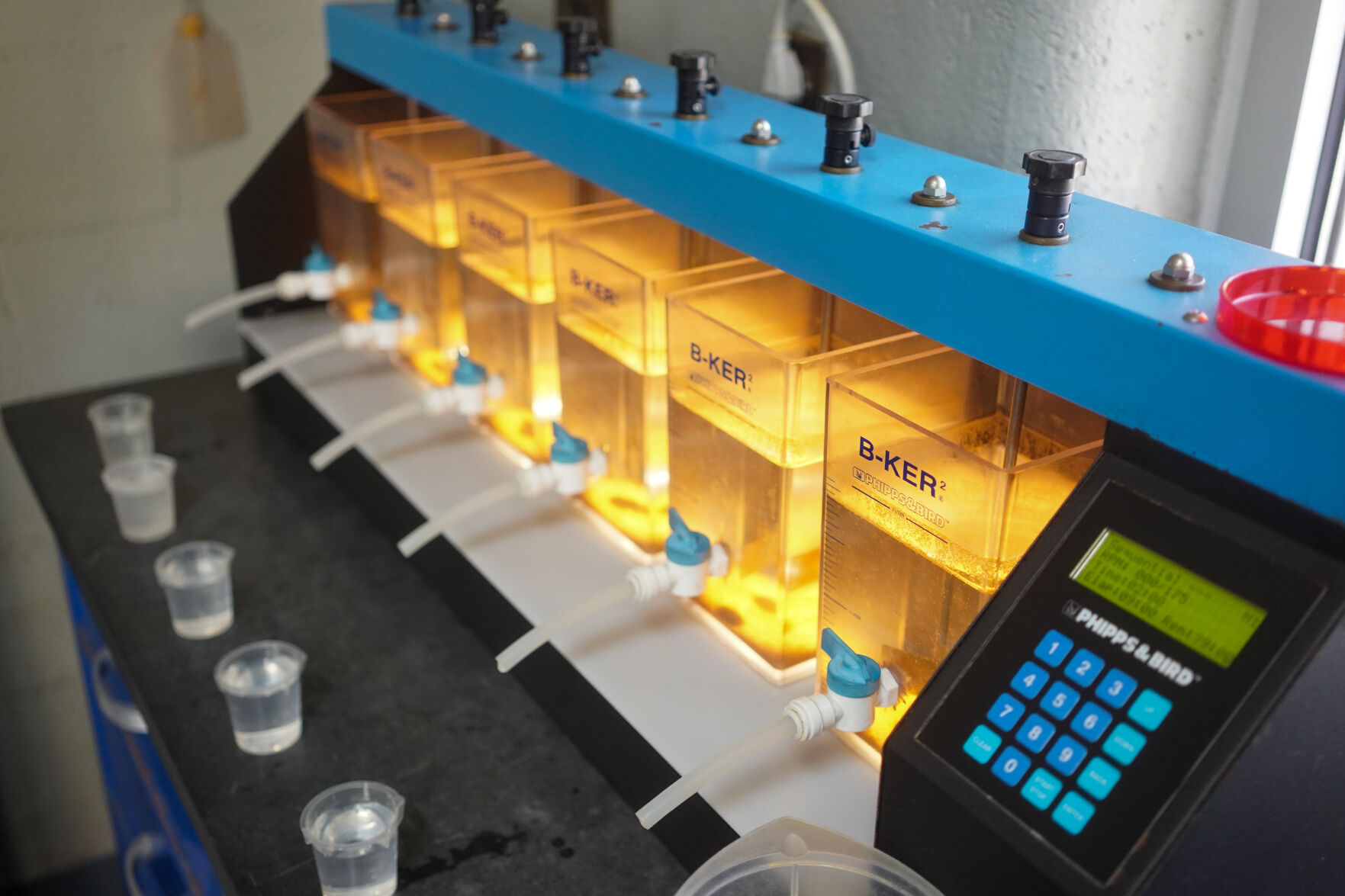
Morganton Water Plant samples of water mixtures.
“It just started giving us problems right about the time we were having some other cost issues, and then the hurricane came. It’s not a result of Hurricane Helene, it’s just that we have a lot of other priorities that need to be taken care of before we make those repairs.
“Federal drinking water guidelines are going to dictate how we do that. Moving forward, we’re just weighing it for the new budget year,” Boris concluded.
Saydie Bean is the municipal and courts reporter. She may be reached at 828-445-8595, ext. 2011, or saydie@thepaper.media.