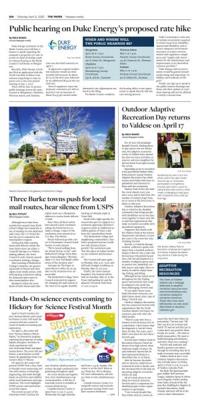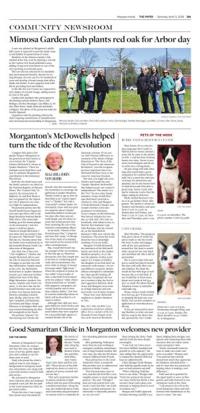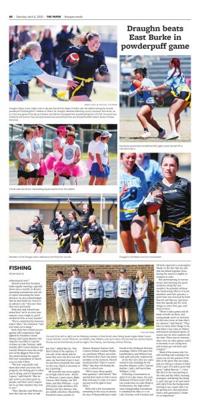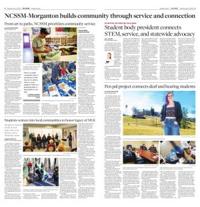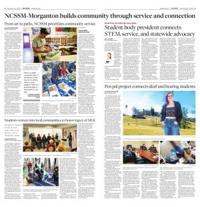



Students scribble ideas onto sticky notes.

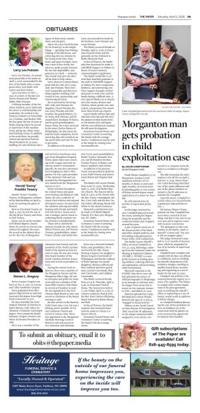
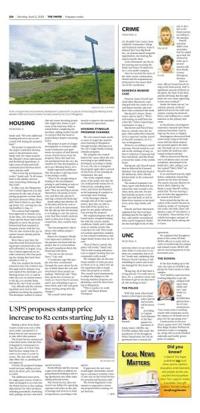
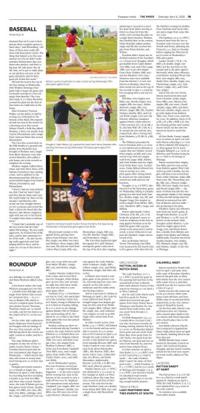
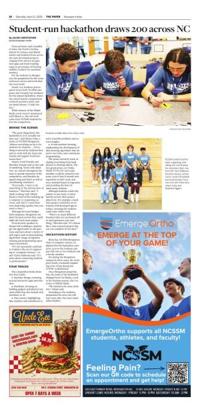
NCSSM students led the event, organizing, cold-calling, and coordinating the volunteers. Back row, from left: Tarini Nallavolu, Shreshta Vemula, Janhavi Lonari, Landon Broadwell, and Yuval Dinodia. Front row, from left: Avika Gera, Ishaan Joshy, and Stephanie Eggers.
Given 36 hours and a handful of rules, the North Carolina School for Science and Mathematics and students from across the state developed projects ranging from species-recognition apps and trash-tracking maps to prototypes of footstep stability trackers for maritime workers.
For the students in Morganton, the preparation for the event took more nerves and work than the event itself.
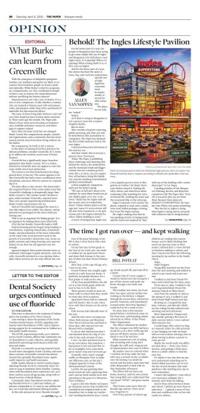
Nearly 200 students participated across both NCSSM campuses and virtually last weekend for the annual hackathon, where the school hosted competitions centered around a water and sea-based theme, “Under the Sea.”
While winners of the SMath Hacks event weren’t announced until March 21, the real work came from NCSSM students before the competition.
BEHIND THE SCENES
“The great thing about this hackathon is (it’s) actually student-run,” said Ishaan Joshy, a senior at NCSSM-Morganton. “Almost everything we do is for students by students. … Everything is sourced by students here, and we work with the local community and support local businesses here.”
Juniors Yuval Dinodia and Shreshta Vemula took on the task of marketing. Yuval cold-called over 150 schools throughout the state to spread awareness of the competition, and Shreshta designed swag and shirts as well as coordinating volunteers.
“Personally, I want to do something at the intersection of business,” Shreshta said. “I think working with SMath Hacks is kind of like building up a company or organizing an event, and that’s a main business leadership quality that you need to have.”
Although the team bridges both campuses, Morganton students focused on how they could make the local event unique.
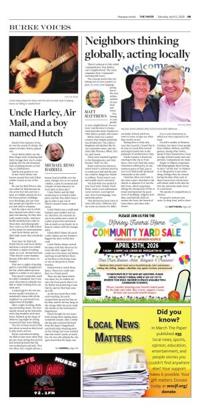
From keynote speakers to alumni-led workshops, students got the opportunity to ask questions and learn about a variety of tech topics such as deep learning algorithms’ image-recognition training and programming open-source electronics.
“It’s not necessarily confined to students who are in engineering or (computer science),” senior Tarini Nallavolu said. “It’s more about connecting students to professionals.”
FOUR TRACKS
The competition broke down into four tracks:
- Interface design, centering around interactive apps and websites.
- Hardware, focusing on building gadgets and physical systems which may also include web interfaces or AI.
- Data science, highlighting data analytics and simulations to solve scientific problems and extract insights.
- AI and machine learning, emphasizing the development of data-learning algorithms that improve over time, sans continuous programming.
The prizes varied by track, including everything from headphones to drawing tablets. The two grand prizes, an Nvidia Shield TV Pro for each team member, could be earned by any team, even if they’d already won separately in their track, and were awarded based on ingenuity and providing the best climate-aware solution.
Although students could only submit to one track, it relied heavily on how their project played out. For example, a hardware project could have an extremely well-developed app interface, meaning the students could enter either track.
“There’s so many different branches that you can branch off to and experience your own thing,” Shreshta said. “It’s almost like a mini research project that you can complete in two days.”
HACKATHON HISTORY
Brian Sea, NCSSM-Morganton chair of computer science, explained that the hackathon started in 2019 on the Durham campus with one or two students and a faculty member.
Pre-dating the Morganton campus by three years, the event grew slowly, eventually expanding to be virtual during the COVID-19 shutdowns.
Once Morganton joined the fray, the name of the hackathon changed from Uni Hacks, a nod to the Durham mascot, the Unicorns, to SMath Hacks.
“We wanted to be more inclusive,” Ishaan said.
According to the students, preparation for next year will start soon after this year’s hackathon finishes.