
Neighbors thinking globally, acting locally

Matthews

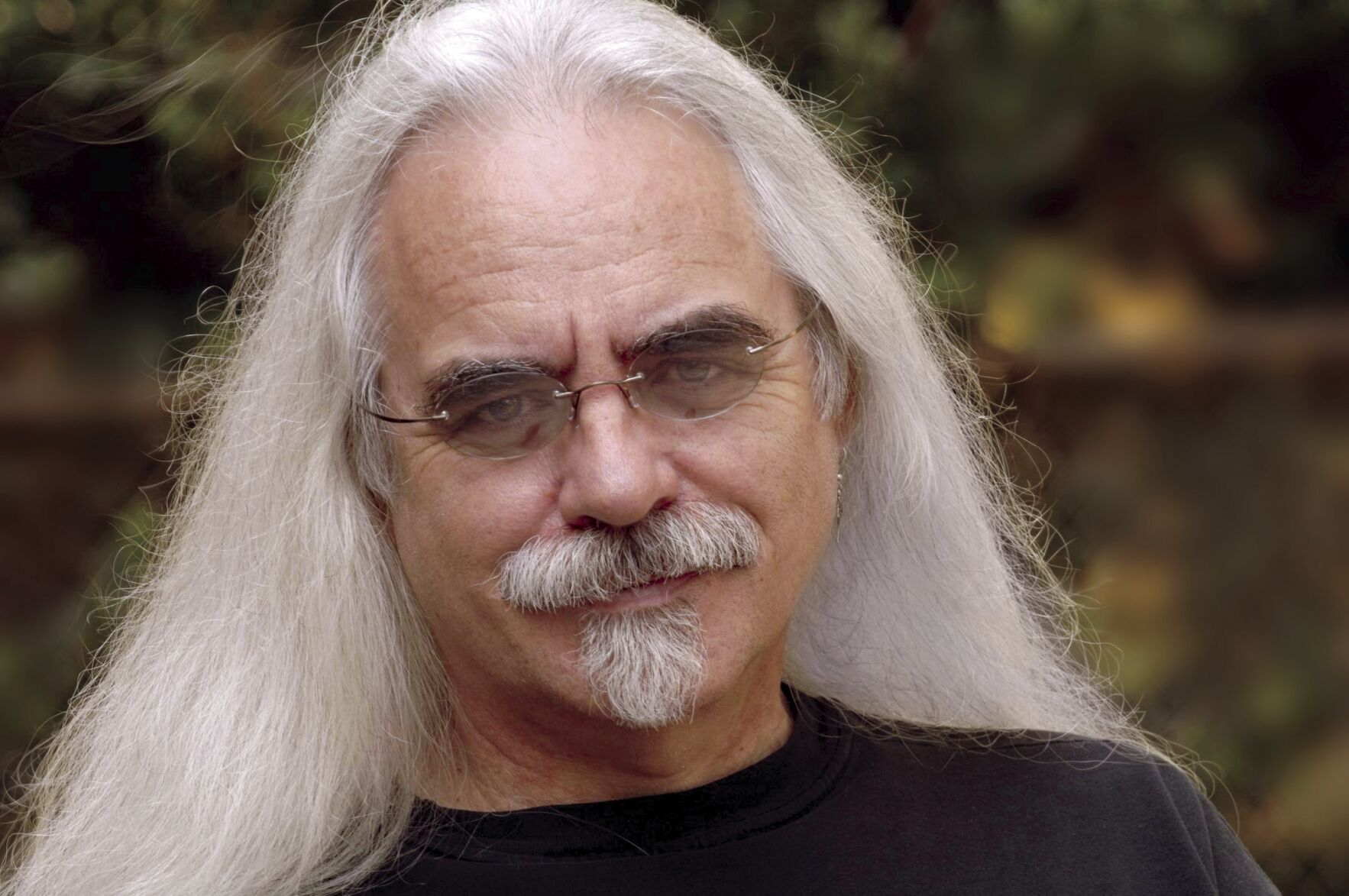
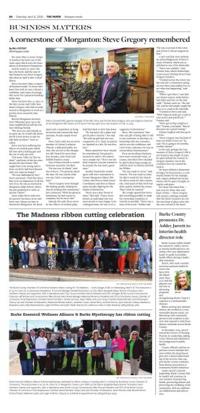
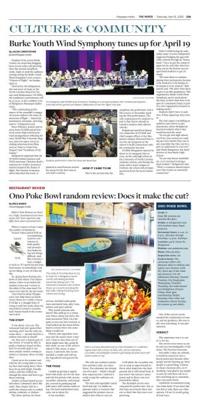
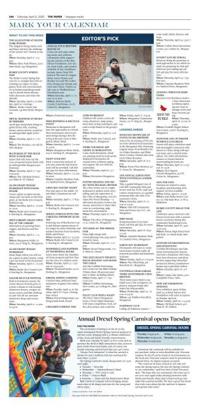
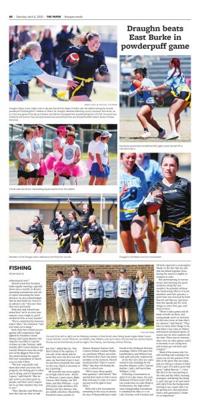
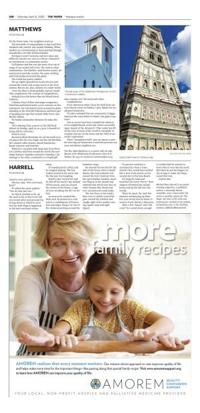
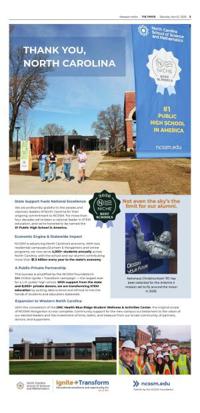
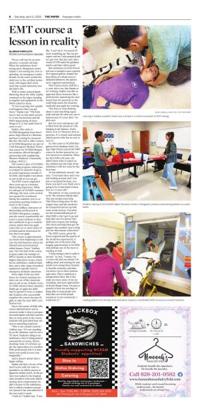
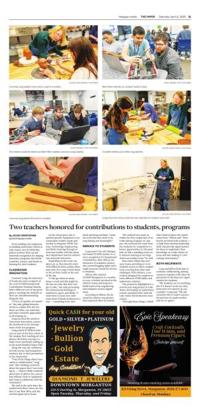
Musician David LaMotte (left) and his friend Matt Matthews.

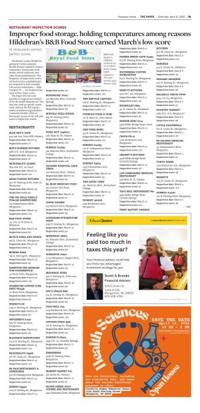
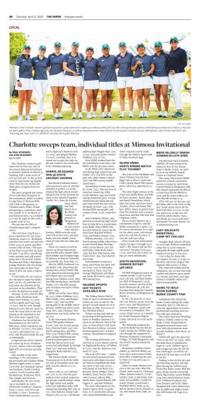
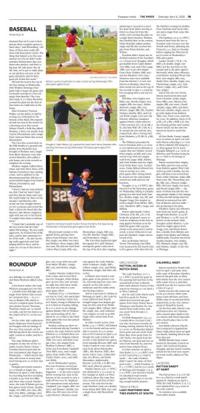
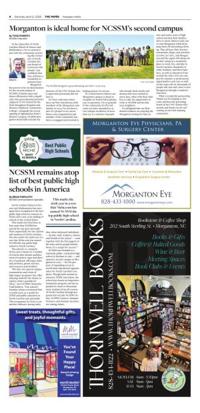
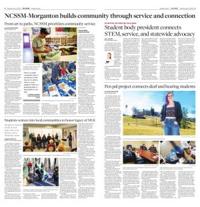
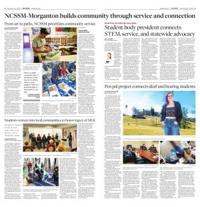
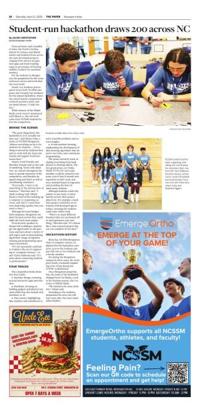
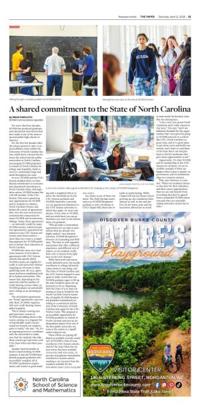
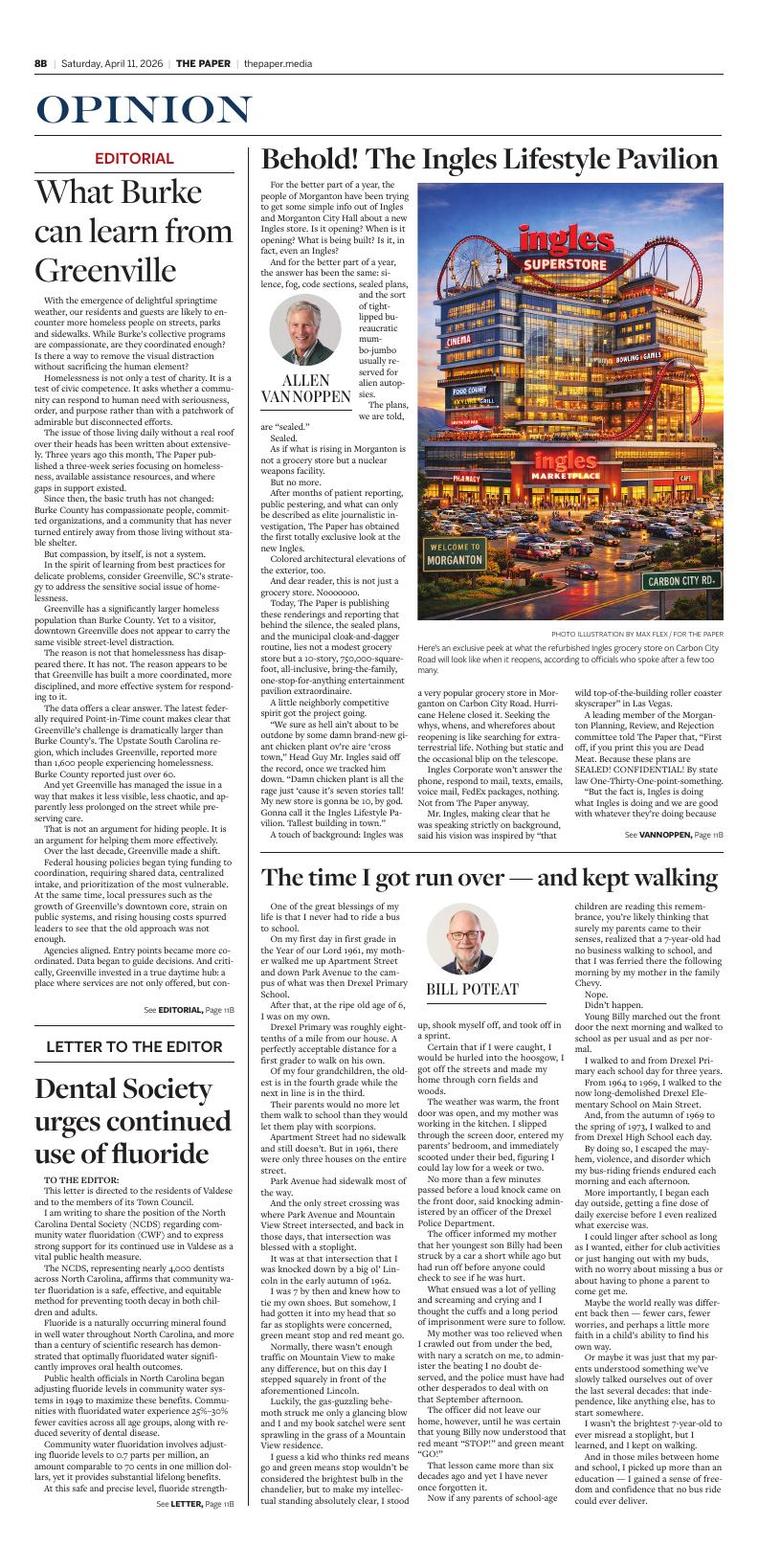
The bell tower of the Waldensian Presbyterian Church in downtown Valdese.

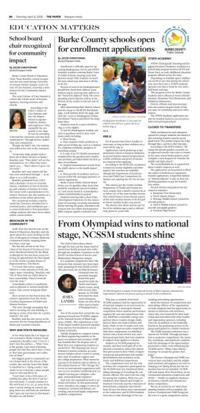
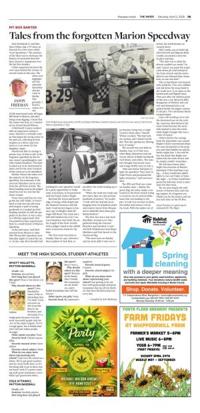
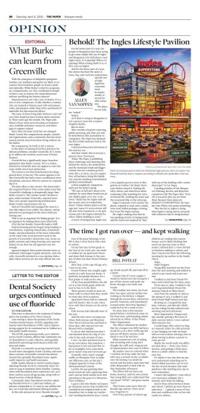
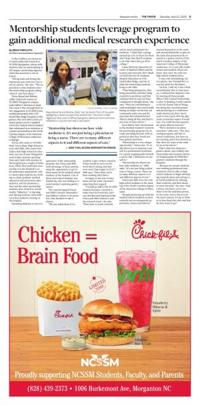
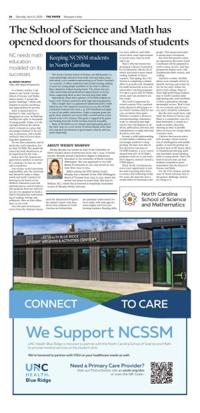
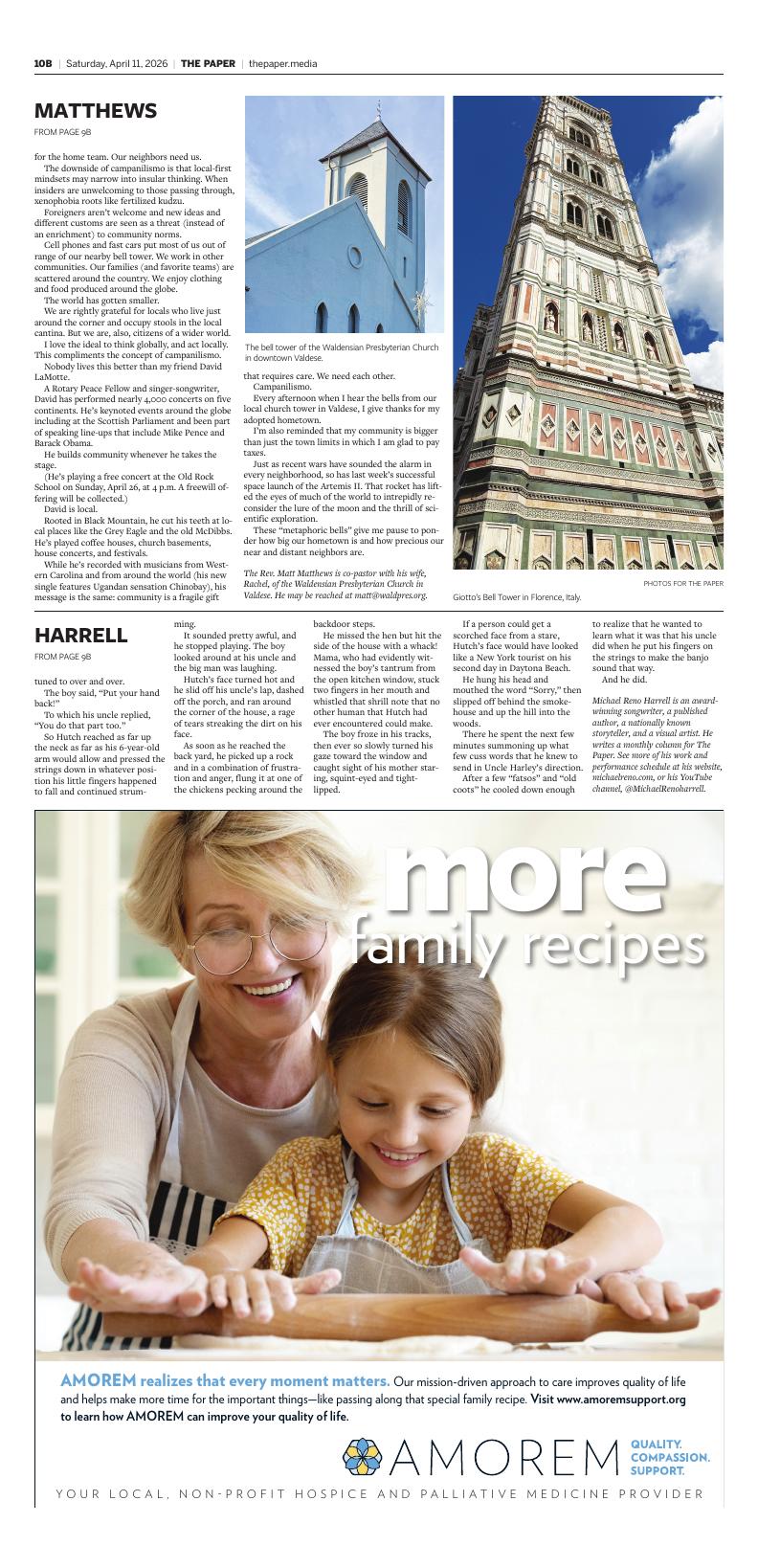
Giotto’s Bell Tower in Florence, Italy.
There’s a phrase in Italy called “campanilismo” that defines one’s neighborhood. The word originates from “campanile” meaning bell tower.
The concept posits that you belong not to your country, region, or, even, your language group, but to the area within earshot of your local bell tower.
You belong to your parish, to your neighborhood. You are local. And devotion to hometown precedes lesser loyalties to other places, people, and causes.
Before Italy was a united country, that elegant peninsula was divided into “the valleys,” kingdoms and duchies like Savoy, mountain towns, and city-states like Florence, Milan, Venice, and Genoa.
These were stitched together in the Risorgimento, and Italy became “Italy” in 1861.
Road construction between towns wasn’t a national priority, so roads were bad and the journey could be dangerous thanks to robbers. Travel wasn’t easy and usually wasn’t necessary.
You had what you needed in your local town. Family. Food. Work. Land. Local celebrations. Local customs. Local agriculture. Even local language, your particular patois.
This distinction from town to town still exists. Different Italian towns are known for different kinds of food, and from town to town, recipes are often kept strictly secret.
Having been to Italy only once but recently, I found this to be true in a local dish revered and largely found only in the piedmont of northwestern Italy.
Vitello tonnato is known by interlopers like me as Tuna Sauce. You won’t find this sauce, sometimes called gravy, in, say, southern parts of Italy, just as you won’t find locally produced Limoncello in the north.
Churches often were built in the town center. Attached to the church or adjacent to it was the bell tower, which rang alarm during the emergencies of fire or attack and hastened the good news of weddings, religious holidays, and festivals. Bells announce the hour, the funeral of town elders, and other milestones.
It is to your hometown to which you were expected to be loyal.
I’m still a newbie to Western Carolina, but when I hear people from Valdese, Hickory, and Morganton, among other towns, speak of their hometowns, I hear an edge of both loyalty and competition. Comparisons are made.
People in Valdese sometimes talk disparagingly about having to drive “all the way” to Hickory or to Morganton to get something. Perhaps they are remembering the days when each of those towns were a little more self-reliant, back in the days before the interstate made travel so convenient.
The upside of campanilismo is obvious.
It’s good to nurture your roots, to shop local, and to cheer for the home team. Our neighbors need us.
The downside of campanilismo is that local-first mindsets may narrow into insular thinking. When insiders are unwelcoming to those passing through, xenophobia roots like fertilized kudzu.
Foreigners aren’t welcome and new ideas and different customs are seen as a threat (instead of an enrichment) to community norms.
Cell phones and fast cars put most of us out of range of our nearby bell tower. We work in other communities. Our families (and favorite teams) are scattered around the country. We enjoy clothing and food produced around the globe.
The world has gotten smaller.
We are rightly grateful for locals who live just around the corner and occupy stools in the local cantina. But we are, also, citizens of a wider world.
I love the ideal to think globally, and act locally. This compliments the concept of campanilismo.
Nobody lives this better than my friend David LaMotte.
A Rotary Peace Fellow and singer-songwriter, David has performed nearly 4,000 concerts on five continents. He’s keynoted events around the globe including at the Scottish Parliament and been part of speaking line-ups that include Mike Pence and Barack Obama.
He builds community whenever he takes the stage.
(He’s playing a free concert at the Old Rock School on Sunday, April 26, at 4 p.m. A freewill offering will be collected.)
David is local.
Rooted in Black Mountain, he cut his teeth at local places like the Grey Eagle and the old McDibbs. He’s played coffee houses, church basements, house concerts, and festivals.
While he’s recorded with musicians from Western Carolina and from around the world (his new single features Ugandan sensation Chinobay), his message is the same: community is a fragile gift that requires care. We need each other.
Campanilismo.
Every afternoon when I hear the bells from our local church tower in Valdese, I give thanks for my adopted hometown.
I’m also reminded that my community is bigger than just the town limits in which I am glad to pay taxes.
Just as recent wars have sounded the alarm in every neighborhood, so has last week’s successful space launch of the Artemis II. That rocket has lifted the eyes of much of the world to intrepidly reconsider the lure of the moon and the thrill of scientific exploration.
These “metaphoric bells” give me pause to ponder how big our hometown is and how precious our near and distant neighbors are.
The Rev. Matt Matthews is co-pastor with his wife, Rachel, of the Waldensian Presbyterian Church in Valdese. He may be reached at matt@waldpres.org.