
Who does Glen Alpine want to be? Leaders tap NC Commerce for economic planning

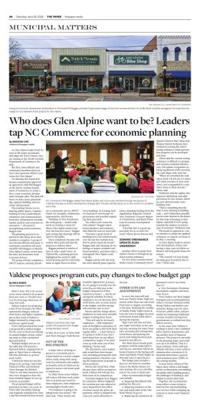
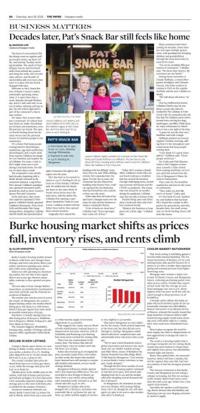
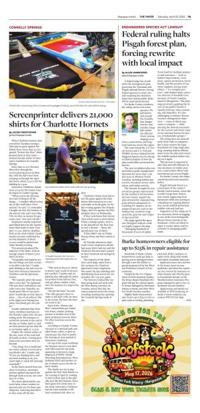
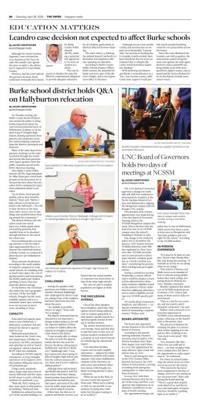
During his economic development presentation to the board, Phil Boggan provided AI-generated images of how the commercial block of Linville Street could be reimagined. He noted that the images do not represent literal projects for Glen Alpine.
As Glen Alpine leaders look for ways to fill empty storefronts and shape the town’s future, they are turning to the North Carolina Department of Commerce for help.
But first, town officials and community members must answer a key question: What’s your vision for Glen Alpine?
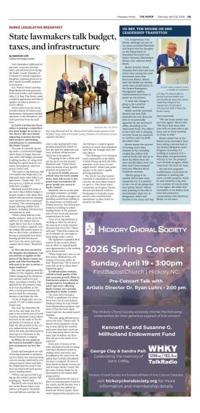
On Monday, the board of aldermen unanimously approved an agreement with Phil Boggan of the North Carolina Department of Commerce to create a free, 5-year economic development strategic plan. The plan will focus on three areas: placemaking, capacity building, and economic advancement.
Placemaking focuses on enhancing public spaces. Capacity building involves leadership development and communication. Economic advancement includes market analysis and economic assessments — all aimed at strengthening rural economies, Boggan said.
The planning process is expected to take about six to nine months to complete. A group of two elected officials and about 10 community members will meet monthly with Boggan to identify Glen Alpine’s assets, review market data, and determine local economic drivers.
The group will also complete a SWOT analysis and help distribute a community survey. SWOT stands for strengths, weaknesses, opportunities, and threats.
“Building on that foundation, the work group … would really work on creating a vision for where Glen Alpine wants to go over the next five years,” Boggan said, noting that meetings will be open to the public.
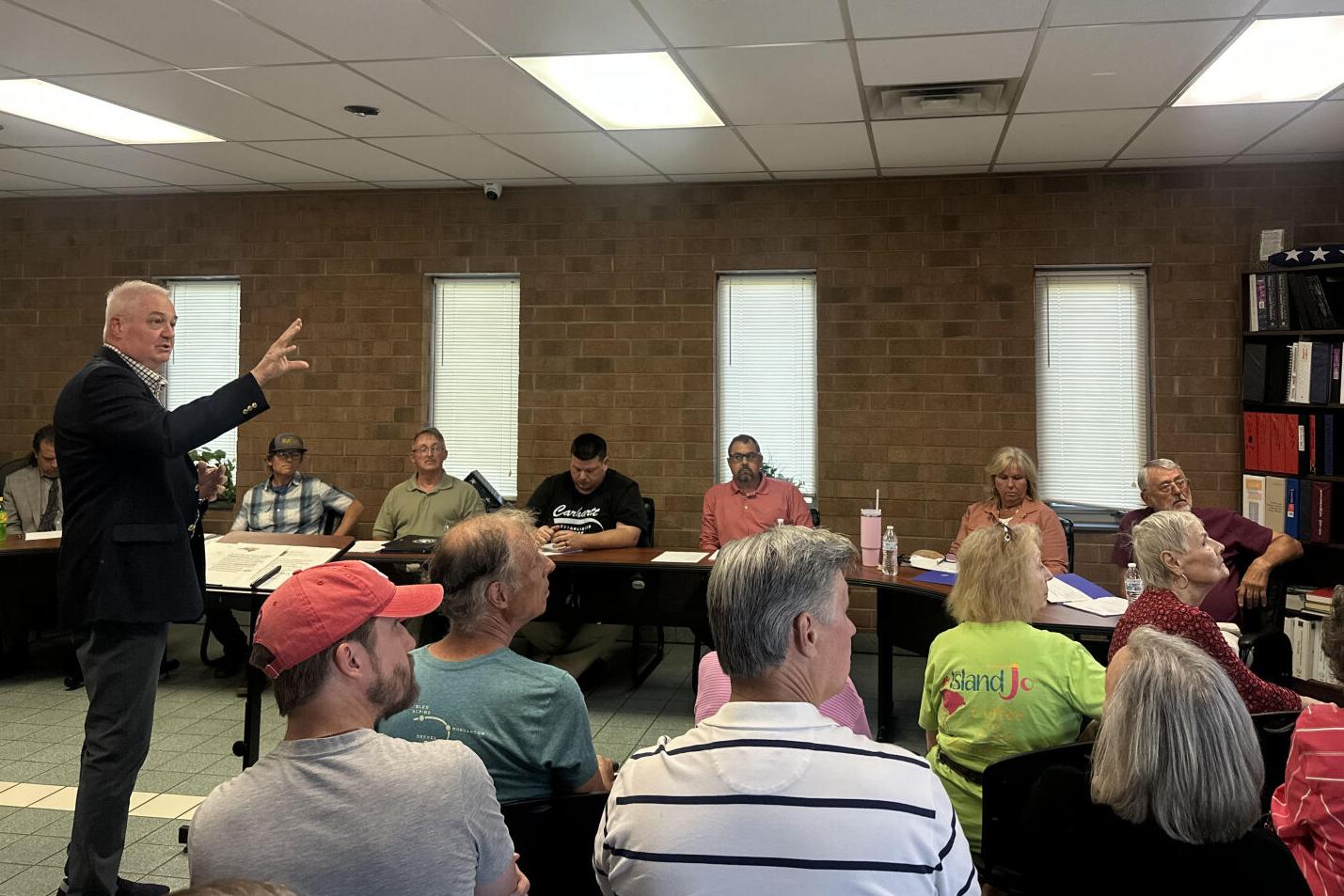
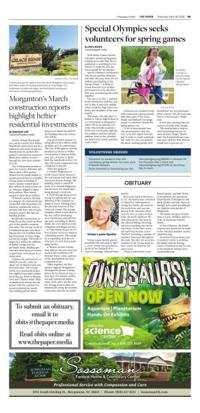
N.C. Commerce’s Phil Boggan walked Glen Alpine leaders and community members through the process of creating a five-year economic development strategic plan. The plan will take about six to nine months to complete and is free.
Once completed, the plan will outline three goals and specific projects to achieve them.
Boggan pointed to similar efforts in other small towns. In Taylorsville, a planning process highlighted the need for additional housing and the redevelopment of upper floors in downtown buildings. In Lansing, leaders focused on streetscape improvements and possibly expanding their greenway.
“So, what’s your vision for Glen Alpine?” Boggan asked board members and residents, who filled the seats at town hall.
“You have a great stock of buildings here, but unfortunately, over the last few months now, they’re pretty much all vacant,” Boggan said, also showing AI renderings to inspire residents and board members, and show what a reimagined Glen Alpine could look like.
Boggan said he will also help the town identify grant opportunities, including funding from the Appalachian Regional Commission, Southeast Crescent Regional Commission, and Rural Downtown Economic Development programs.
“I feel like this is a great opportunity for us to move forward,” Mayor Kevin Herron said.
ZONING ORDINANCE UPDATE ALSO UNDERWAY
Another effort to guide Glen Alpine’s future is through an updated zoning ordinance.
For two years, recently retired Burke County Community Development Director Alan Glines and Planner Patrick Dickinson have worked on revising the town’s zoning ordinance, which governs how property can be developed and used.
Glines said the current zoning ordinance is difficult to navigate and contains outdated information. The update reorganizes existing regulations while ensuring the code aligns with state law.
“When we reworked the ordinance itself, I’ll tell you it’s about 95% what you have in your ordinance, just reorganized in a way that’s easier to find and use,” Glines said.
Dickinson said the update also improves definitions and adds provisions for tiny homes, which are now allowed under state building code.
“That is something that the state is now allowing in building code … and I think there possibly can be some interest in the future for that type of housing in Glen Alpine, especially if we’re going towards the outdoor recreation type of economy,” Dickinson said.
The board is expected to vote on whether to adopt the updated ordinance or request revisions at its May 11 meeting.
As Glen Alpine looks to attract new development, Glines said having a clear, easy-to-follow ordinance will help guide future decisions.
“The control’s in your hands for what goes forward in the future,” Glines said.