Siegwerk Environmental Inks is investing more than $1 million in solar energy, which will support 96% of the facility’s electricity demand across a field of solar panels.
“We didn’t see the need to do it unless it got everything,” said Scott Bartlett, head of operations and supply chain at Siegwerk. “It’s about our carbon footprint and reducing it in any way we can.”
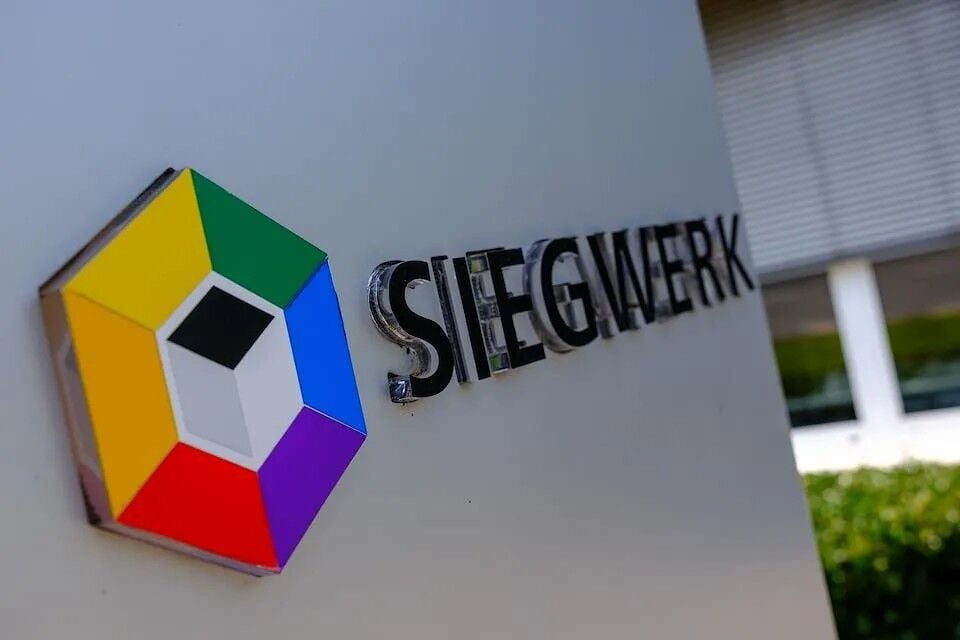
Siegwerk is a printing inks and coatings provider for packaging and labels serving a range of industries. Originally opening its doors in Morganton in 1979 as Environmental Inks and Coatings, the company was later purchased by Germany-based Siegwerk in 2010.
The project, known as Project HoriSun, is already past Phase 1 and installation is underway at the facility on Quality Products Road in Morganton. The 960-panel 566.4-kilowatt system will be installed in a field near the rear entrance of one of the facility’s buildings.
“With our solar expansion in Morganton, we are bridging the gap between operational excellence and environmental responsibility to meet our customers’ evolving needs,” Bartlett said.
Siegwerk officials expect the panels to be fully operational by June 2027.
Through the 30-year lifetime of the panels, Siegwerk said it will avoid over 10,800 metric tons of carbon dioxide emissions. Siegwerk compared the reduction to the emissions of 24.6 million passenger vehicle miles or what is absorbed by 162,077 trees grown over 10 years.
Project HoriSun traces back to the company’s larger initiative, HorizonNOW 2030, a three-pronged agenda to increase sustainable development throughout the entire network through sustainable procurement, sustainable products, and sustainable operations. The initiative compares against 2020 metrics, with a target of achieving the goals by 2030.
One of Siegwerk’s goals is to reduce Scope 1 and 2 emissions — greenhouse gases emitted directly by company processes as well as indirect emissions from electricity and heating — by 60% and Scope 3 emissions — indirect emissions such as raw material sourcing, logistics, and packaging — by 25%.
The solar panels contribute to the company’s Scope 2 emissions, according to Siegwerk’s site.
Project HoriSun is not the first investment in reducing the company’s carbon footprint, said Bartlett, explaining that Siegwerk’s Morganton campus recently installed skylighting across a 66,000 square-foot building, installed LED lighting in place of traditional bulbs, and is working to reduce overall waste that goes to the landfill by 10% by 2030.
Brandon Ruppe, president and CEO of Burke Development Inc. (BDI), said, “When a company like Siegwerk invests in its existing operations, it sends a powerful message about its confidence in Burke County — our workforce, our location, our partners, and the many assets that support manufacturing here.”
Ruppe explained that investments in renewable energy can help manage energy costs and reduce exposure to price fluctuations, all while keeping manufacturers competitive. When existing manufacturers succeed, Ruppe views it as a boost in the business climate, making “a compelling case to prospective employers considering our community.”
“These investments are among the strongest endorsements a community can receive, and we want to continue creating an environment where our existing industries can grow, innovate, and succeed,” Ruppe said. “While we cannot speak to the specific plans of other manufacturers, investments like Project HoriSun highlight how companies are exploring opportunities to strengthen their operations while also advancing their sustainability goals.”