
'Highlight potential, not just mistakes'; Morganton native talks juvenile justice, racial disparities

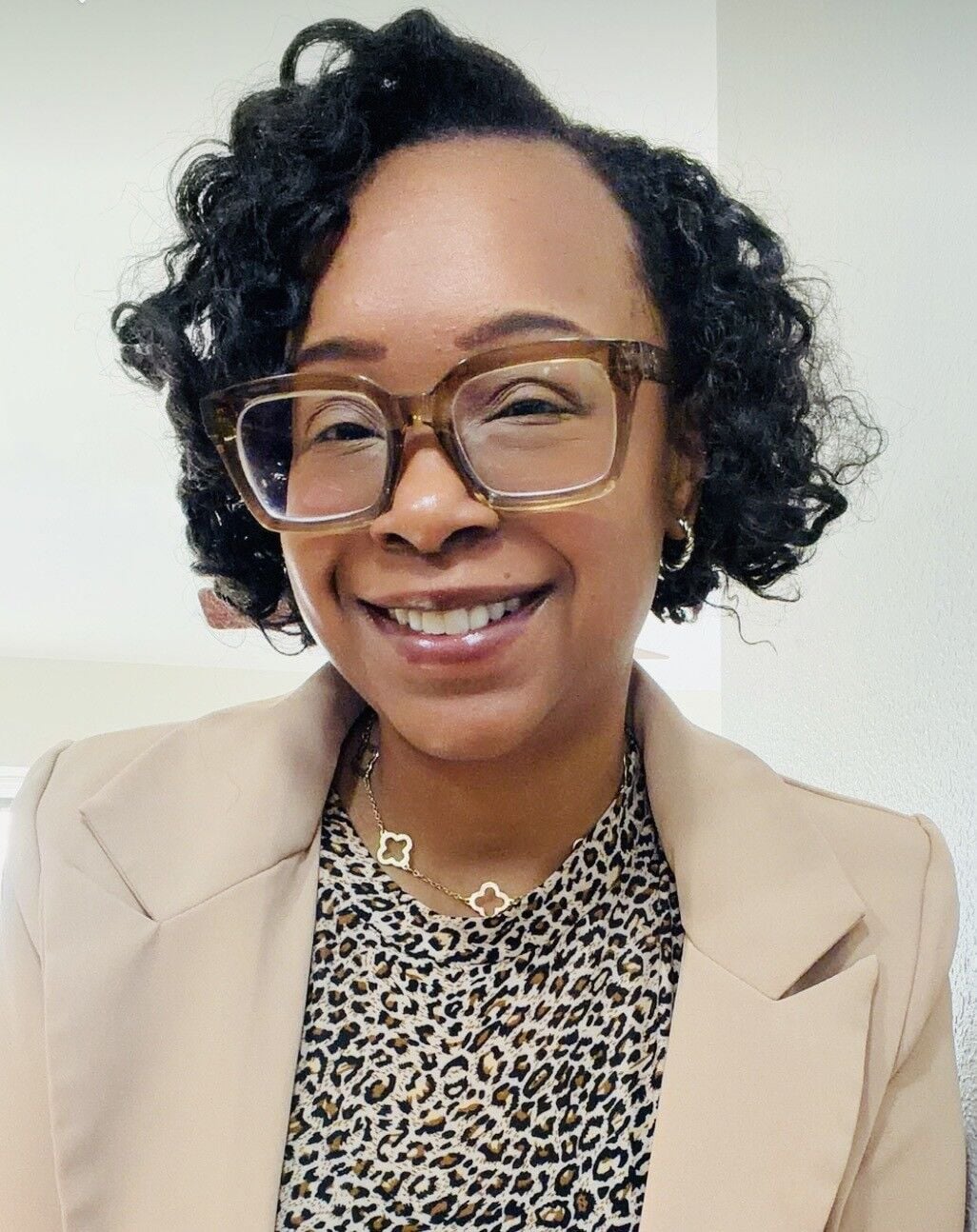
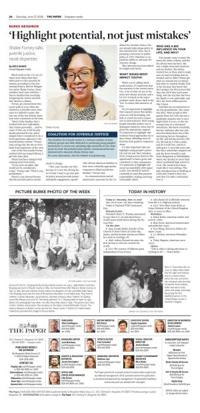
Shalee Forney
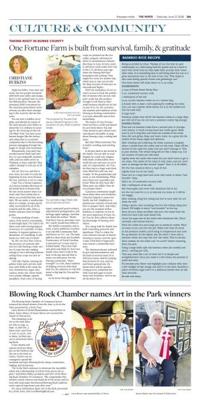
Black youth in the U.S. are 5.6 times more likely than their white peers to face juvenile detention, according to The Sentencing Project, and for Morganton native Shalee Forney, those numbers aren’t just statistics — they’re families that need help navigating the system and kids who deserve a chance.
Forney, 38, started down this career path in 2020 when she worked as a juvenile court counselor in Caldwell County. She was one of the few African American court counselors at the time.
“Most of the families that I worked with were individuals that I knew personally … and because of this, my work became deeply personal for me, and it shaped what I considered to be a lived experience adjacent to the juvenile justice system,” Forney said, noting that she has no firsthand lived experience of her own.
One of the first youths Forney worked with was named Ebony, a girl who later died.
Ebony had been charged with running away from home.
“If you were an adult, that would not be considered a crime,” Forney said. “That is very problematic.”
Ebony’s case showed Forney that the juvenile justice system needs to change.
“(Her case) became my why, because it is now the driving factor of why I want to go into public policy around juvenile justice and family engagement, specifically African American families to have more culturally appropriate responses to Black and Brown families,” Forney said.
As communications and administrative associate for the Coalition for Juvenile Justice, Forney already helps shape policy at the national level. Now, she is pursuing a doctorate in public policy at UNC Charlotte to expand her ability to advocate for systemic change.
This interview has been edited for length and clarity.
WHAT ISSUES MOST IMPACT YOUTH?
When you’re talking about youth justice, it’s important that the narrative is the correct narrative. A lot of what we see in the news isn’t always accurate, and a lot of it is based on the superpredator myth (from) back in the ’80s. It creates that narrative of fear.
So, it’s important to highlight that research shows that adolescents are still developing, and kids or youth are more responsive to interventions. Most young people naturally mature out of delinquent behavior when they’re given the appropriate support. It’s important to highlight that evidence-based approaches do reduce future offending more effectively than punitive responses alone.
It’s also important that you highlight young people’s potential and not just their mistakes. Every young person deserves the opportunity to learn, grow, and contribute to their community. It’s important to highlight balanced accountability with opportunity. You should be held accountable in ways that promote responsibility, healing, and long-term public safety.
WHO HAD A BIG INFLUENCE ON YOUR LIFE, AND WHY?
Two people come to mind. My mom, her name is Betsy, and she has always been my hero. She was a single mom and raised me and my brother. She always worked two or three jobs to make sure we had everything that we needed, and we didn’t always get what we wanted, but we always had what we needed. People look to her because they know that she’s going to be that person that they can call if they need something. Just the way that she loves her family is very admirable, and she’s the most selfless person that I know.
And then my second person is my late grandmother. Her name was Alice. Most people in Morganton knew her well, she was a quadruple-amputee due to meningitis back in 2000, so she ran around town in a motorized wheelchair. She knew everybody, but her resilience after her sickness has always been one of the motivating factors throughout my life, just having seen her still live life and do it with a smile, and do it with love, and do it with grace. I carry that every day. She had a wheelchair adapted van and she drove herself to and from Morganton to Philadelphia, where she decided to move back when I graduated high school in 2006. She would travel those roads like it was nothing. This lady introduced me to thrifting as a kid, and I hated it then, but now that I’m older I absolutely love it.