
Burke County should vote 'NO' on Raleigh’s blank check
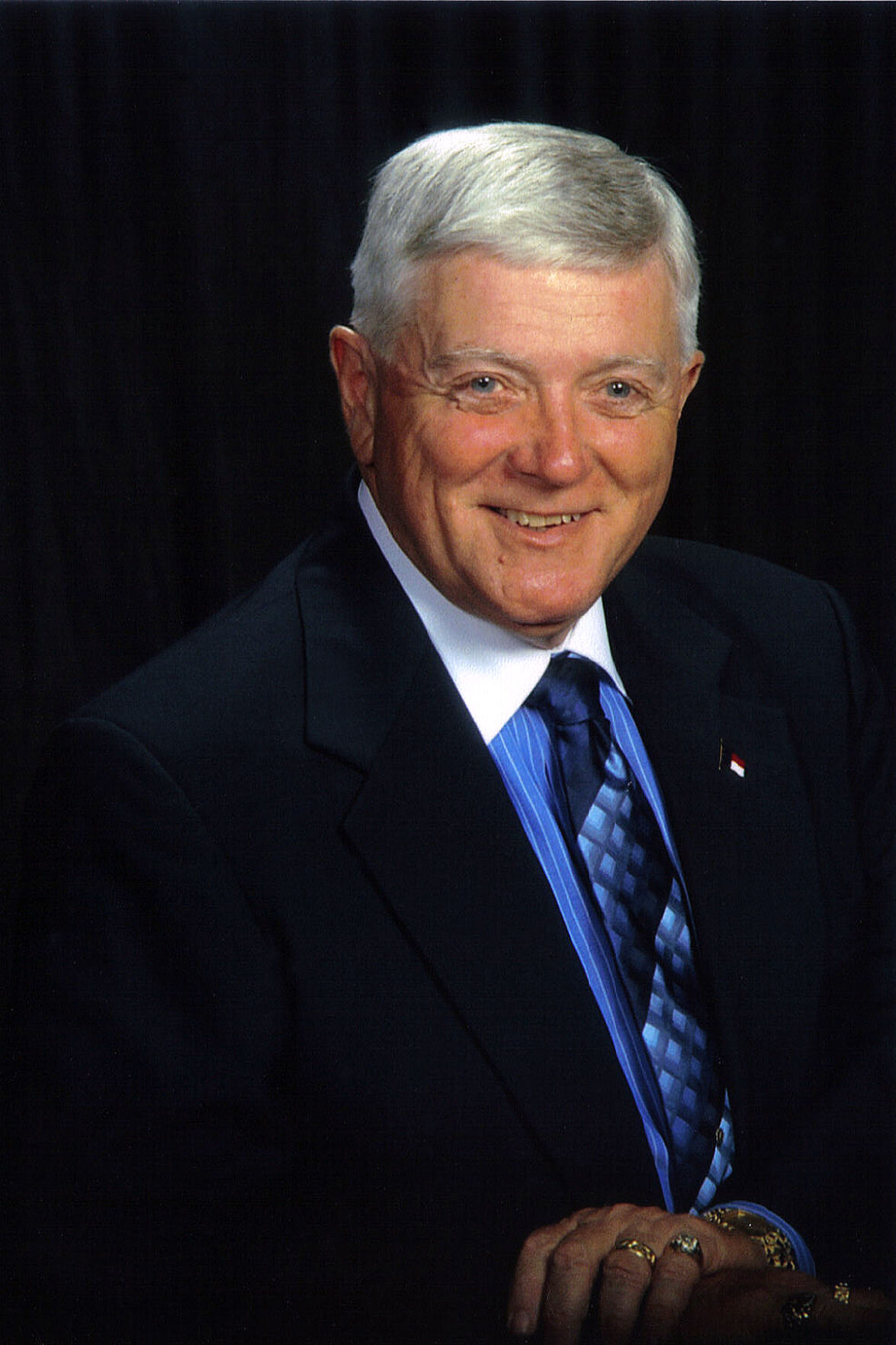
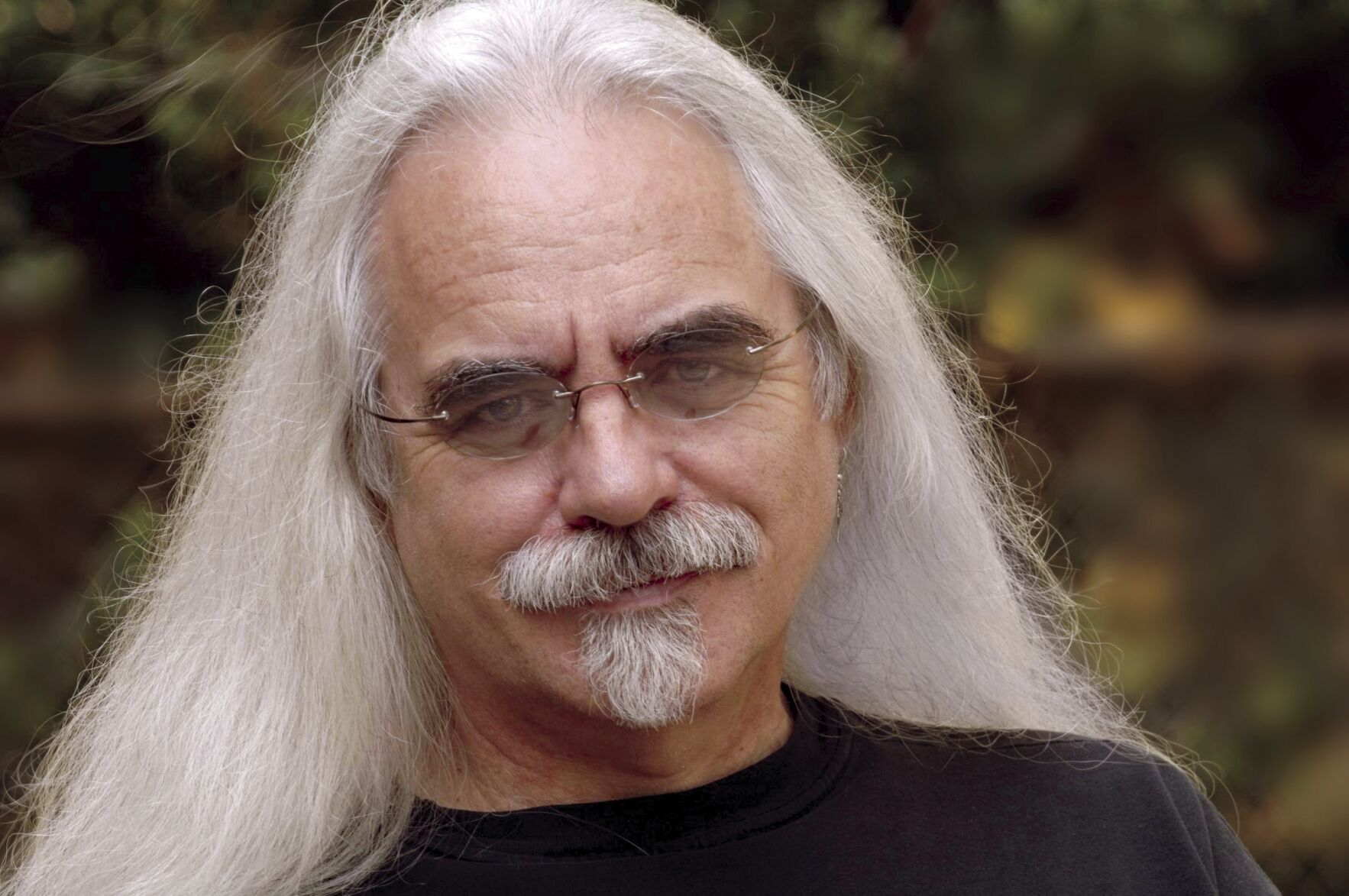
Carswell
Property taxes are a legitimate concern across Burke County, especially for retirees and working families whose incomes have not kept pace with rising home values. Supporters want voters to believe the property-tax levy amendment on the ballot will lower their property tax bills. But the property-tax levy amendment promises no such thing. It sets no limit, guarantees no reduction, and does not cap any homeowner’s bill.
Instead, it directs legislators to write the actual rules after voters have changed the Constitution. Burke County’s experience shows that responsible rates can be developed through the local budget process, where the county manager presents a recommended budget, and the Board of Commissioners reviews it, hears from the public, and adopts the budget and tax rate. Over the years, that accountable process has generally balanced affordability with essential services, changing local needs, Hurricane Helene recovery, and restraint in county spending.
Voters should not trade that transparent process for a property-tax levy amendment whose most important details remain unwritten.
Session Law 2026-5 says the General Assembly “shall enact general laws limiting the amount by which the levy of taxes on property may increase,” and adds only that those laws “may include exceptions.” But the proposed property-tax levy amendment gives voters no percentage, no adjustment for inflation or population growth, no protection for new construction, no disaster provision, and no guaranteed local-voter override. Even the exceptions are optional. Voters are being asked to approve the requirement first and learn the consequences later.
North Carolina already generally limits local property-tax rates to $1.50 per $100 of assessed value. The property-tax levy amendment would go further by restricting growth in the total amount counties and towns collect from property taxes. Here in Burke County, that revenue helps fund our schools, sheriff and detention operations, EMS, public health, social services, libraries, and other basic obligations. Our county has worked to improve EMS response times, build needed public-safety facilities, and recover from Hurricane Helene while keeping the tax rate reasonable. A statewide formula that fails to keep pace with inflation, emergency costs or local needs would not make those responsibilities disappear. It would leave Burke County to cut services, postpone maintenance, raise fees, or ask Raleigh for help.
Most important, a levy limit is not a cap on any one homeowner’s bill. The North Carolina Association of County Commissioners notes that individual bills could still rise or fall as assessed values and the overall tax base change. Two neighbors could experience different results. A broad levy cap can also deliver the largest dollar savings to owners of the most valuable property — including major corporate landowners — rather than concentrating relief on older residents and working families struggling to keep up with rising housing costs.
The scale of the tradeoff deserves scrutiny in Burke County. A North Carolina Housing Coalition analysis published in late August 2026 tested a hypothetical limit of tax-base growth plus 2% during recent revaluation years. It estimated that there would be roughly $919 million less in local revenue statewide while the average homeowner saved about $84 a year—around $7 a month. That model is not the law that lawmakers would ultimately enact, but that is precisely the problem: no one can calculate the real effect because the property-tax levy amendment leaves the formula blank. In the model, 24 counties lost between 10% and 35% of property-tax revenue, and eight of the 10 counties with the largest losses were in Hurricane Helene-affected Western North Carolina. Burke County residents know firsthand that emergencies do not wait for a state formula to catch up.
LOCAL ACCOUNTABILITY
Burke County is already preparing for its 2027 revaluation with a citizen-led task force intended to promote transparency, public input, and confidence in the process. That is how tax policy should be handled: in public, with the numbers on the table and local residents able to hold decision-makers accountable. If state lawmakers have a sound proposal, they should first show us the cap, inflation and growth adjustments, treatment of new construction, emergency exceptions, local-voter override, and plan for state mandates. They should also expand targeted relief for lower-income homeowners, seniors, and people with disabilities.
Burke County’s local budget process has generally produced reasonable tax rates while maintaining vital services. So, who should Burke County residents trust to balance taxes with local needs: officials here at home, whose decisions we can examine and challenge, or state lawmakers asking us to approve the constitutional property-tax levy amendment before they reveal the rules? Voting NO is not a vote for higher taxes. It is a vote for local accountability and against writing an undefined mandate into the Constitution. On Nov. 3, Burke County voters should vote NO to the constitutional property-tax levy amendment and demand a clear, honest, and workable plan.
Johnnie Carswell is a former Burke County commissioner and is a past president of the N.C. Association of County Commissioners. He is currently a member of the N.C. Rural Infrastructure Authority.