
Your vote is both a privilege and a responsibility

Frederick
Citizens of the United States are rapidly approaching one of the most consequential elections in recent history. It brings to the foreground the role of the U.S. citizenry in maintaining the integrity of American Democracy through the right and responsibility of voting.
Historically voting privileges have evolved over the past 250 years. Prior to the American Revolution and the 1780s, voting was viewed as an entitlement for the landowners and monied few white males.
By the 1830s and Jacksonian democracy, voting privileges were offered to the vast majority of white males, but those rights were denied to women, enslaved African Americans, and Native Americans.
It would take the 15th Amendment and its ratification by states in 1870, for voting rights to be extended to African American males.
As a result of the passage of the 15th Amendment, many Southern states enacted literacy tests and poll taxes to restrict voting rights. These barriers, along with physical and psychological threats, severely limited voting access to African American males.
In the later 19th century women still could not vote. As early as 1780, women like Abigail Adams advocated for the voting rights of women.
But it was not until 1920, with the passage of women’s voting rights through the 19th Amendment to the Constitution, that women were extended voting rights.
The last group of Americans to be granted full U.S. citizenship and voting rights were Native Americans in 1924.
Voting rights and a more perfect democracy have taken many generations of blood, sweat and tears. Throughout history many millions of Americans fought for, and many died to establish and preserve the voting rights of all its citizenry.
The right to vote is not only a sacred privilege of U.S. citizenship, it is also an essential responsibility of every American citizen over the age of 18 to vote in local, state and national elections.
The mere thought that one’s vote doesn’t matter, that it doesn’t make a difference, is both erroneous and a threat to the very democratic principles this nation was built upon.
Perspectives constructively expressed by every citizen help to promote the open dialogue of differing opinions in the creation of laws and values which govern our nation are essential to our democracy.
Ideally, the two-party political system of our nation works as a check and balance moving the nation towards a more just and inclusive democracy.
However, in the past 30 years we have drifted away from healthy discourse and have lost our constructive balance, not only within our two-party system, but also, and of equal alarm, we have lost the balance of governance between the executive branch, the legislative, and judicial branches of our nation’s government.
The current political divisions have become so dysfunctional that both political parties vilify, demonize and mistrust each other. And the balance of power between the three branches of federal government have moved precipitously toward collapse.
On the eve of this election, there is much mistrust amongst the citizenry in the election process. Citizen confidence in a free and fair election is at an all-time low.
Elections are run and governed by state laws in every state of the nation, and each state has worked tirelessly to assure that the elections in their state will be safe, fair and without risk of voter fraud.
And yet there are political and international forces which are acting to undermine the credibility and integrity of the electoral process.
It remains vitally important for all citizens of every state to vote in this election, not only for the top offices on the ballot, but also for the state and local offices and referendums.
It is the “down ballot races” that often have greater direct impact on the constituency of a region and locality.
What motivates you to vote? For most American citizens, the economy has been identified as the top issue, with the recognition that tariffs and the Iran war have escalated the cost of living.
Many citizens also register concerns about immigration policies and the role of ICE officers. Others raise the increased pressures and restrictions on the First Amendment rights of a free press and its citizenry.
Of growing alarm, is the level of national debt this country has taken on as it surpasses the 40 trillion dollar level. The decreasing federal regulations over environmental issues and global warming are of great concern to many.
The critical cuts to the social safety net of medical coverage, protections and services for vulnerable populations, and food security and affordable housing for lower income Americans, along with the importance of vital international aid to developing nations are also matters of great concern to many.
Then there are the needs for regulations on Artificial Intelligence and the building of large data centers across the nation are also matters of political importance. These are all complex issues and demand leaders who will hear competing perspectives and will compromise as they seek lasting solutions.
We as U.S. citizens elect leaders who will effectively address and create guidelines and governance regarding these and many other major issues facing our nation.
It becomes incumbent upon us all as U.S. citizens to educate ourselves regarding the positions of candidates on a variety of concerns. We need to know and trust their ability to address the critical issues this nation faces today and tomorrow.
Voting of each and every citizen matters, and the need for well-informed voters is critical to the well-being of our nation and the future we leave our children and subsequent generations to come.
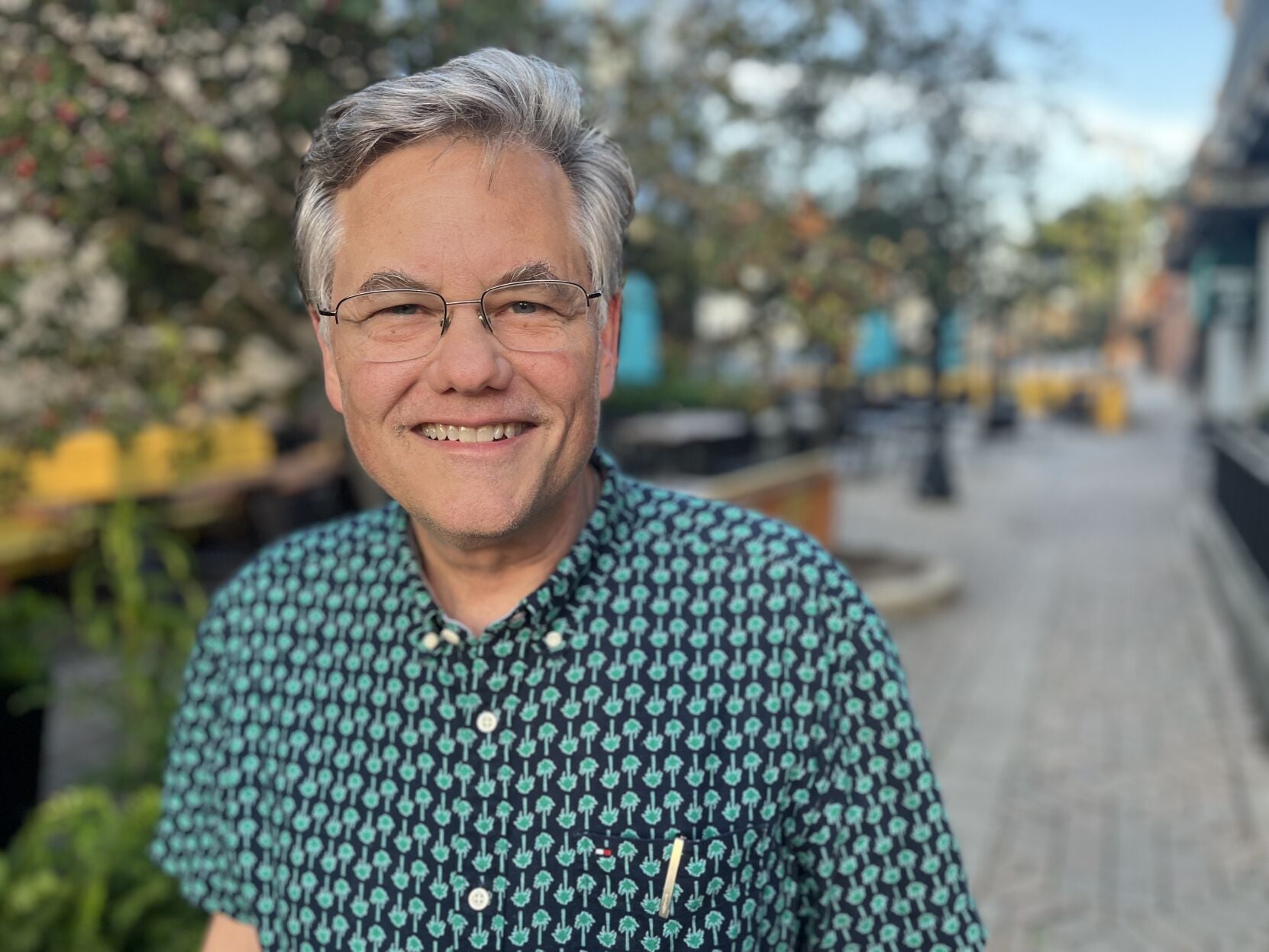
The Rev. Dr. Kevin Frederick is a mostly retired Presbyterian minister who makes his home in Morganton.