
Glen Alpine weighs feasibility of 24-hour police protection in budget talks


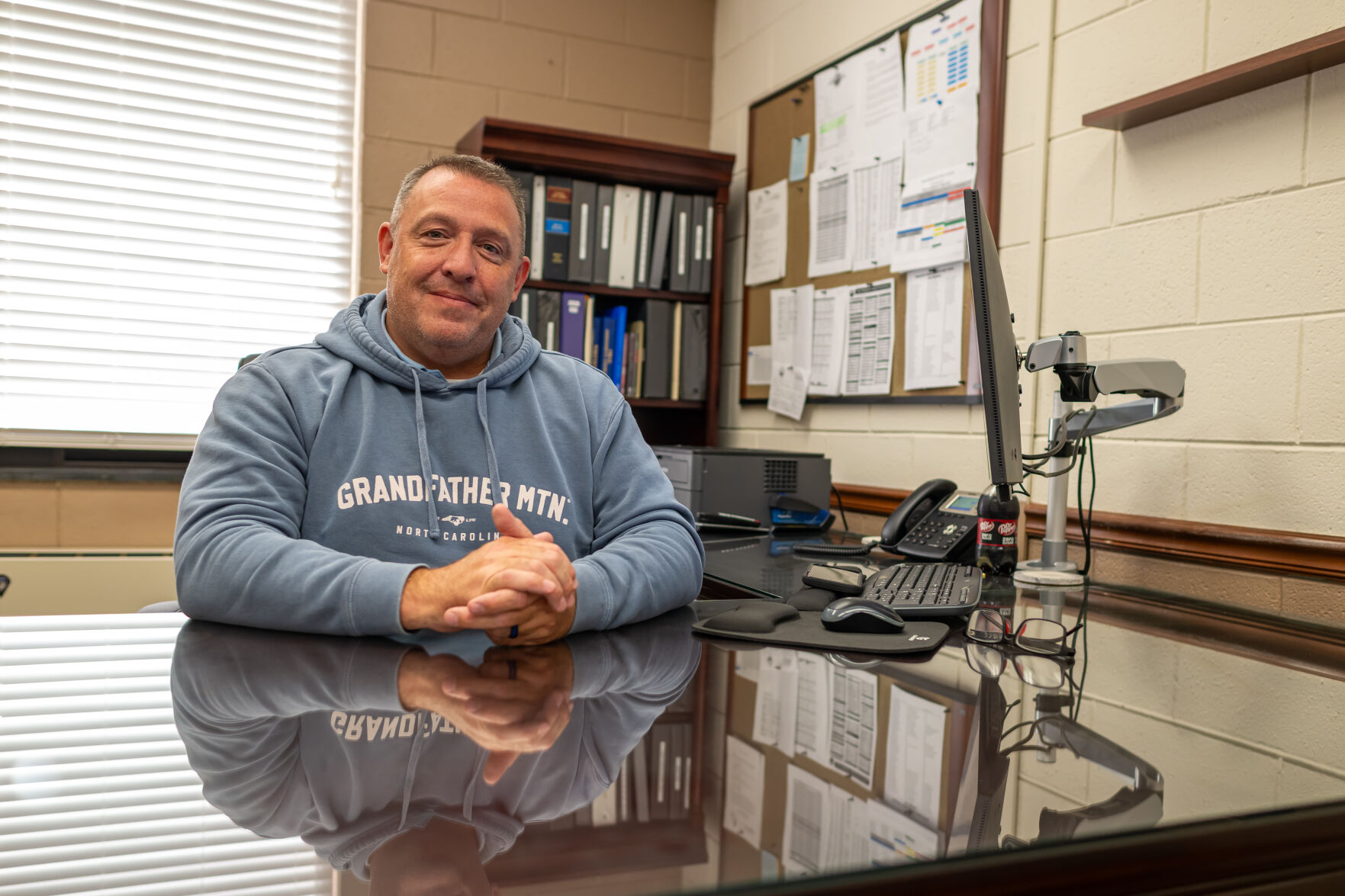
Mayor Kevin Herron and Police Chief Kirk Penley presented their proposed budgets for the police department Monday evening to the Glen Alpine Board of Aldermen. The main difference in their proposals is two officer positions needed for 24-hour police protection.
Editor’s note: This coverage reflects Glen Alpine officials’ budget discussions as of Monday, June 1. The board held another budget workshop on Friday, June 5, which occurred after press time for The Paper’s June 6 edition and is not reflected in this report.
For years, Glen Alpine residents have asked for 24-hour police coverage. Now, town leaders are confronting a difficult reality: a proposed budget would eliminate two police positions critical to achieving that goal.
During Monday’s budget workshop, board members wrestled with whether Glen Alpine can maintain its current 26-cent property tax rate while funding the police department based on what it could be rather than its current staffing levels. The challenge is compounded by salaries that have made it difficult to recruit and fill vacant positions.
With expenses projected to exceed revenues by $53,120, Mayor Kevin Herron’s proposed $1.38 million draft budget relies on fund balance to close the gap. Alderman Jason Miller said one cent equals $13,400, which would put the town at about a 4-cent increase needed to avoid using reserves. As it stands, a property tax bill for a $200,000 assessed value home would be $520.
The town previously held a budget workshop for the fire department in April, but Monday was the first time board members got the chance to review the proposed budgets for police, public works, and administration. The board held another workshop on Friday, past the time of The Paper’s publication. That information will be in next week’s edition, along with coverage of the board’s regularly scheduled meeting on Monday, June 8.
“The town’s revenue forecasting philosophy has always been conservative, and will continue for this fiscal year,” Town Administrator Crystal Carswell, who has been serving the town since 2023, said while reading the draft budget summary.
While the board is currently avoiding a raise in taxes, it will dip into fund balance savings to keep the budget balanced. The town’s largest source of revenue comes from sales taxes, at $566,500, though the board does not set that rate. Property taxes are the second largest source of revenue, at $347,100, which is the only significant revenue the town can control. Together, the sources make up about 70% of revenues.
When the town received its audit in October 2025 from Carol Avery with Lowdermilk, Church & Co., she said the town had $1.6 million in available fund balance, which was $90,000 less than the previous year.
Fund balance should be reserved for special or unexpected circumstances, not for recurring expenditures such as payroll or utilities, according to the North Carolina Department of State Treasurer’s budgeting instructions.
Glen Alpine isn’t the only municipality that’s planning to use fund balance for the budget this coming fiscal year. Morganton is planning to use fund balance for the coming year’s budget. City Manager Sally Sandy said the use would follow a year of being able to add to the city’s fund balance and meets the city council’s fund balance policy, which states staff can’t go below 35% of the fund balance without council knowing and deciding whether it’s acceptable. Carswell said she’s unaware of a similar policy in Glen Alpine.
POLICE DEPARTMENT BUDGETING
At a proposed $570,829, the police department is the town’s most expensive department. Even so, Police Chief Kirk Penley said the proposed amount is less than what he had sought. The proposed budget funds the department’s current staff, which include Penley, Captain Shane Trull, two current officers, and one future officer position. It does not fund two other vacant positions that Penley says would be needed to achieve 24-hour coverage.
“We’ve sold this town for the last four years that they’re (residents) getting 24-hour coverage, and they’re not,” Miller said.
Town residents have repeatedly told board members they want around-the-clock police coverage, but the town has been struggling to recruit and retain officers due to low pay. Currently, officers are starting out at $46,000, though Penley wants to bump the base pay to $48,000. In Drexel’s approved budget for the next fiscal year, an entry level officer would make $50,237 annually with bonuses. An officer with a bachelor’s degree and 10 years of experience may be much higher, according to Town Manager Bill Carroll.
“We cannot get 24/7 protection for the price that you pay the officers to start,” Penley said. “They’re going to work for that first year of experience, and then they’re going to leave and go somewhere that’s paying $54,000.”
Penley suggested adding $7,500 to send someone to Basic Law Enforcement Training, which Herron included in the budget. Penley added that the City of Morganton pays for their officers to get additional education, but that Glen Alpine currently does not. A stipulation could be added that an officer would need to work for the town for a set amount of time before leaving. Penley added that there’s not much room for salary growth based on merit or flexibility for recruiting more experienced officers.
Some board members, including Miller, said they believe the town might not need 24-hour coverage. He suggested having two to three officers but being able to pay them better. Alderman Chad Wykle suggested that the town might be able to use some of its more than $43,000 proposed reserves funding for full-time officers.
“I don’t want to raise taxes. I didn’t take this job to raise taxes,” Penley said. “I took this job to give the town’s people 24/7 protection. We’ve not been able to give them that. I’m supposed to come in front of y’all, present my budget to get 24/7 protection. That’s what I’m doing.”
OTHER DEPARTMENTS
To help address recruitment and retention concerns across town departments, the proposed budget includes a 5% raise for employees to keep up with the cost of inflation. The town’s two public works employees, who started last year, are scheduled to get an additional 2.5% raise, according to Carswell.
“I feel like that’s something we need to do to get caught up with the way of today, as far as the cost of living,” Herron said.
Public works would receive roughly $397,450 under the proposal, with Republic Services trash collection remaining the department’s largest expense at about $90,000 annually. The cost has gone up about $30,000 over the past few years, according to Mayor Pro Tempore Luke Boone, creating a strain on the department’s budget.
“It may come down to where we have to do something totally different,” Herron said.
In the department’s budget, there’s also $15,000 to help with purchasing a side-by-side, off-road vehicle for employees to use. Herron noted that the town plans to seek grants for the purchase.
Administrative costs make up $242,392 of the draft budget. Included is a 5% pay raise for Town Administrator Crystal Carswell. The board and mayor agreed that they would not receive a pay increase this year, so their combined salaries will stay at $15,500.
Lastly, Glen Alpine’s fire department budget is expected to be $170,782, with the largest cost expected to be $39,000 to bring a new full-time employee on board. The new employee would be stationed at town hall and would assist with fielding phone calls and town hall operations when Carswell isn’t available.
While no tax increase is currently proposed, board members acknowledged that having competitive employee pay and services may become increasingly difficult without either new revenue or spending reductions in future years.
“I think if we’re going to run this town like a business … regardless of what’s in that fund balance, if you’re dipping into it, that tells me we’re not making enough money,” Miller said. “Eventually, we keep going like this, eventually that will be gone.”