
A symphony of fire and freedom
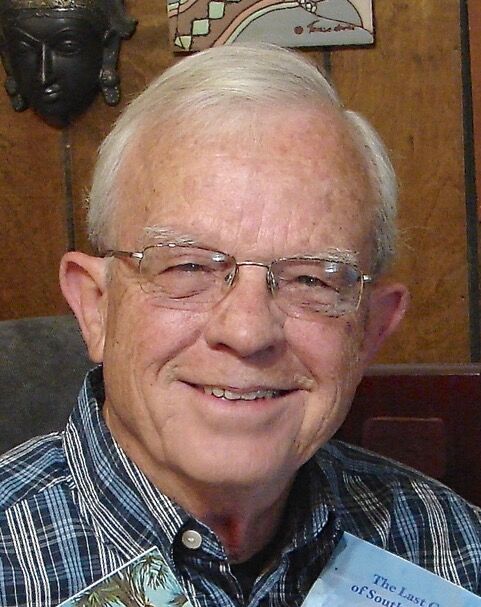
Clark
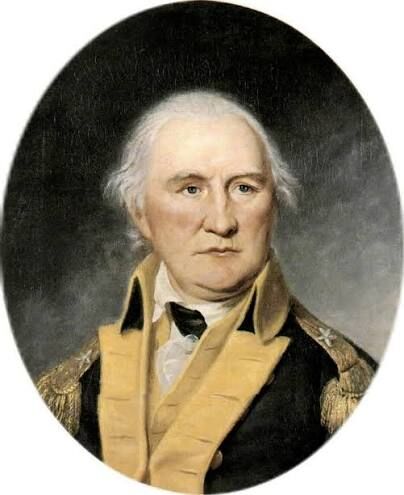
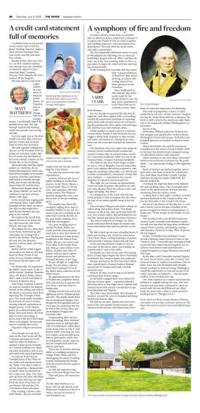
Gen. Daniel Morgan

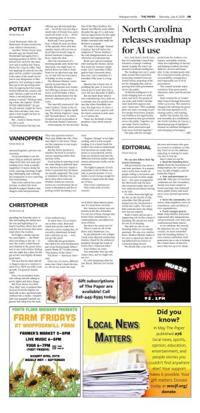
The visitors center and monument at Kings Mountain National Military Battleground.
In today’s divisive world, how is it possible that 50 American states, collectively, continue to recognize the Fourth of July as a time to gather and celebrate America’s 1776 Declaration of Independence? This year with the 250th events only adds a special plus.
The first organized celebration seems to occur in Philadelphia the following year as American battleships, draped with red, white, and blue ribbons, sat in the river awaiting orders to fire a 13-gun salute to begin city-wide festivities and ringing of church bells.
As the Evening Post recorded, that day ended with “a grand exhibition of fireworks” that included firing 13 rockets with rousing shouts from those gathered on the Commons.
Since childhood I’ve often had my bag of fireworks ready for the Fourth; however, into my later years I graduated to Crew Chief with our local Burke County Table Rock Shooters.
For two decades we painted the July Fourth night sky (and other nights) with a resounding, colorful firestorm from hundreds of exploding aerial shells with oriental names for red blooming chrysanthemum, silver spider web with tiger tail, and blue rose with titanium salute.
Unlike parades or music concerts or historic reenactments, Fourth of July fireworks, for me, trigger a whole-body response to their sounds and colors and memories. Among those years, there was one event that touched my American soul.
Yes, Elizabeth, there is a small town along the western North Carolina/South Carolina line named Cowpens that, in colonial times, served as a crossroads stockyard. Today it is one of our National Parks, Cowpens National Battlefield.
This historic one-hour battle began at dawn on Jan.17, 1781, as Brigadier General Daniel Morgan’s 1,065 regulars and militia prepared to challenge the seemingly unbeatable 1,150 British and Loyalist commanded by Lieutenant Colonel Banastre Tarleton — a man known for a recent slaughter of captured American patriots.
This night, for me, became an extraordinary event not easily forgotten. We parked our vehicles some distance from the visitors center and began unloading “the show.”
As I stepped out of the truck onto this hallowed ground, I tried to imagine that day when the fate of our infant republic hung in the balance.
General Daniel Morgan rode-about calling out orders along Green River Road. “You sharpshooters on the front, take out British field officers. Fire several volleys. Retreat behind the second line. Reload and shoot that damn Tarleton.”
This was an unheard-of strategy. Let those neatly uniformed British begin the attack, take losses and assume they had our patriots on the run.
We had to pick-up our pace unloading boxes of shells and setting a line of mortar racks across Green River Road, a rolling landscape of pasture enclosed with a mixture of pine and oak trees.
In the growing darkness I began to feel we were part of this heroic place, now loading our mortars with 6- and 4-inch shells.
Eventually our team stood ready with hissing flares. A hand signal begins the show: Poof blam! Poof-blam! The Cowpens battle was underway.
Morgan watched as the first line fired volleys, then rushed back to General Andrew Pickens’ second line of Georgia and South Carolina mountain men.
Patriots all, they stood strong as the British continued their frontal charge.
As the battle engaged there were shouts for Patriots to move again — reposition behind a third line above on the ridge where Captain John Howard stood with veteran Continental troops from Maryland and Virginia.
They blast-away point-blank. This thunder of muskets covered the cries of wounded and dying British and Patriots alike.
We pick-up our pace. Sparks rain-down overhead as the crew quickly reload mortars and shooters torch the fuse. Poof-blam-blam! Poof-blam! At times the explosions are deafening.
The smell of gunpowder is heavy as thick smoke burns our eyes. At that moment I imagine hearing the shouts from Patriots as Banastre Tarleton’s cavalry attacks the Americans right flank, only to be stopped by William Washington’s 100 horsemen.
Yes, he is kin.
With saber, William confronts Tarleton, but this struggle ends quickly after Tarleton shoots Washington’s horse and escapes. Both sides now brandish bayonets on muskets in hand-to-hand combat.
Mixed with death cries and the screams of wounded were the curses of men in battle. Within the hour this British attack collapsed leaving 100-plus killed and 800-plus captured.
I hear someone in our crew shout “showtime!” which everyone knows to prepare for the grand finale — our spectacular ending to this nighttime show.
Racks of mortars are latched together and require only a few fuses to be lit for a chain reaction. Poof-blam! Poof-blam! Crackle. Crackle. And then the big boys ignite: KABOOM. KABOOM. KABOOM.
Overhead, the night sky blazes with brilliant fire and sparkling colors. The crowd adds their voices to the spirited music of Sousa marches emanating from the visitors center.
Looking back to that night I continue to hold a special attachment to the Cowpens show. Not just the fireworks or the crowd or the music.
For me it’s the history of this day, Jan. 17, 1781, and a victory won to become a linchpin in the greater struggle for America’s independence. A democracy “of the People, by the People, for the People.”
Two hundred miles east, British Lieutenant General Lord Cornwallis had subdued Charleston and now marched his large army northward toward North Carolina, anticipating a merger with Banastre Tarleton’s troops. That, of course, did not happen.
In fact, Cornwallis was challenged in and around Charlotte, better known to some as the “Hornets Nest.” Cornwallis also anticipated help on his left from Major Patrick Ferguson, but attacks by local farmers and mountain men trapped Ferguson on Kings Mountain and ended that hope.
By the time Lord Cornwallis reached Virginia his army was in tatters, even after a victory over General Greene at Guilford CourtHouse. The Atlantic coast was now blockaded with friendly French warships as General George Washington seized the opportunity to trap and accept Cornwallis’ surrender at Yorktown — the last major conflict of our revolutionary war.
Our show ended as 200 rockets raced into the darkness to explode among the stars. The Sosa marches and spectators continued to cheer approval until the last shell flickered out. Afterward, the team took a while to clean-up before heading home to “Morgan-town.”
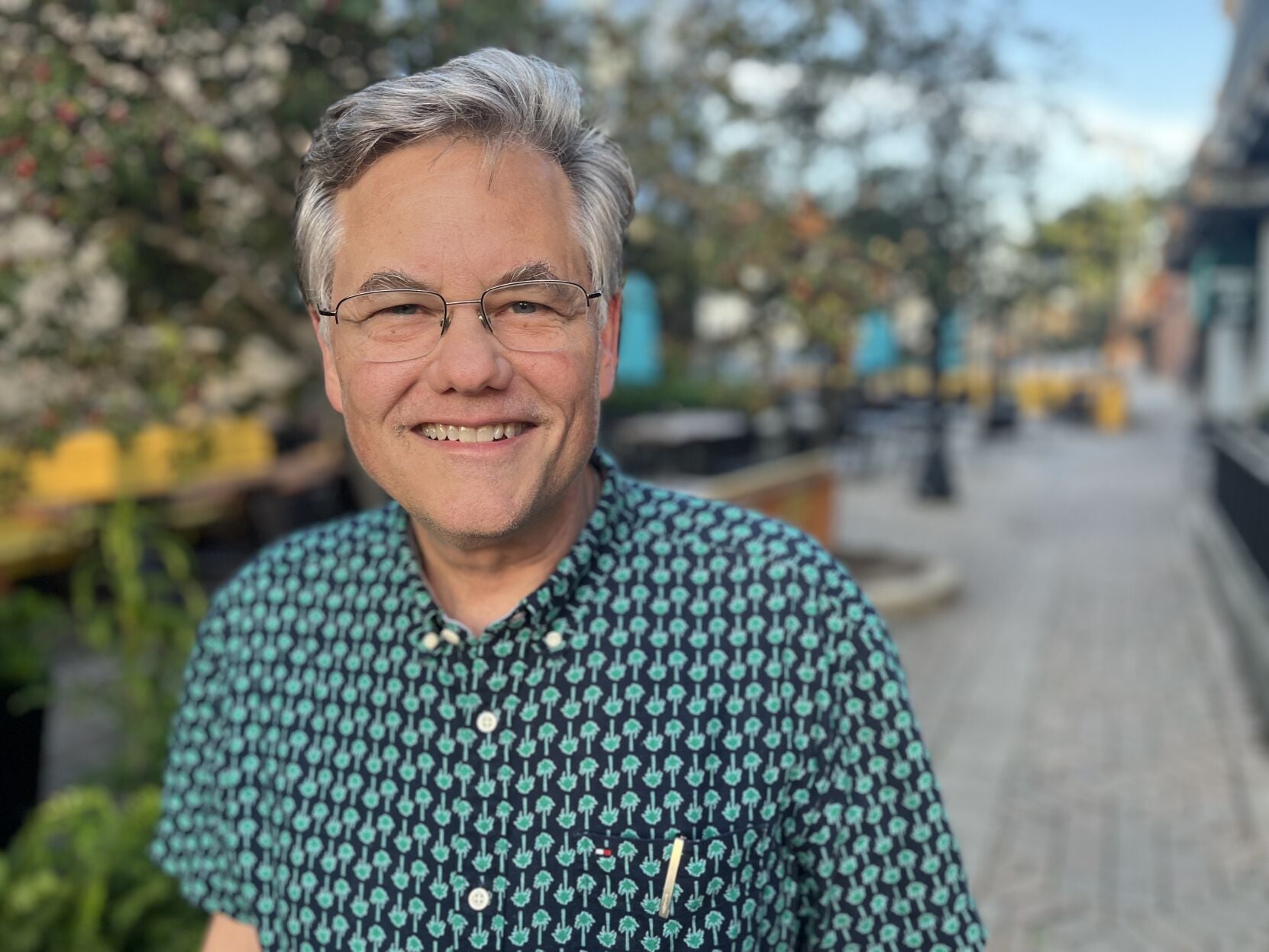
Larry Clark is a Burke County educator, historian, and author who provides occasional columns for The Paper. He may be reached at larryclark2880@icloud.com.