
Facts inform us, opinions move us
Carswell
In today’s world, public conversations move quickly. A headline, a social media post, or a short Facebook video can shape what people believe before they ever stop to ask whether the information is true.
That is why it is more important than ever to understand the difference between claims of fact and arguments of opinion. Both have a place in thoughtful debate, but they are not the same. A claim of fact can be tested with evidence, while an argument of opinion depends on judgment, values, and interpretation.
The real concern is not that people fail to understand the difference between fact and opinion. Most of us know there is a difference. The problem is that the line is often blurred on purpose. Public debate becomes disingenuous when a personal belief is dressed up as undeniable truth, when interpretation is presented as evidence, or when disagreement is treated as ignorance.
In those moments, facts become tools of persuasion rather than standards of truth, and opinions become shields against criticism. If every opinion is treated as fact, evidence no longer matters. If every fact is dismissed as opinion, truth becomes optional.
Here in Burke County, this distinction is not theoretical. When citizens hear claims about data centers, Flock cameras, housing shortages, drug use, roads, schools, taxes, or public safety, they are not hearing abstract debate. They are hearing arguments that may shape the county we live in. A claim that a project will bring jobs, protect neighborhoods, lower crime, increase tax revenue, or solve a community problem must be tested against evidence. At the same time, an opinion about whether that project is good for Burke County should be stated honestly as a judgment, not smuggled into the conversation as unquestionable fact.
We are not merely an audience for decisions made elsewhere. The people who live here are the ones who live with the consequences.
If a data center strains water, power, roads, or land use, local residents deserve more than promises. If surveillance cameras are promoted as public safety tools, our community deserves clear answers about privacy, oversight, and accountability. If housing becomes harder to afford, if drugs continue damaging families, or if growth benefits some while burdening others, the public should not be expected to accept talking points in place of proof.
We all have a role in this, and that role requires more than frustration after decisions have already been made. We must pay attention early, ask questions publicly, and refuse to be satisfied with slogans. When officials, developers, agencies, or advocates make claims about jobs, safety, housing, growth, crime, privacy, or economic benefit, local residents should ask what evidence supports those claims, what costs are being left out, who stands to benefit, and who will carry the burden. Silence is too easily mistaken for agreement, and confusion is too easily used as permission.
This does not mean our community must oppose every proposal or distrust every leader. It means we should not surrender our judgment. Those of us who call Burke County home should insist that public decisions be explained in plain language, backed by verifiable facts, and open to honest disagreement. A community cannot govern itself well if its people are treated like spectators or if they behave like spectators. Our responsibility is to listen carefully, question respectfully, challenge weak arguments, and demand that those asking for public trust earn it.
If our county is going to face data centers, Flock cameras, housing pressure, drugs, public safety, and growth with wisdom, then we must insist on honest facts, clearly stated opinions, and public arguments that respect the people who must live with the results.
Burke County’s future should not be shaped by the loudest claim, the easiest slogan, or the most convenient version of the truth. It should be shaped by those of us willing to demand evidence, accept responsibility, and act like the future of this county belongs to us — because it does.
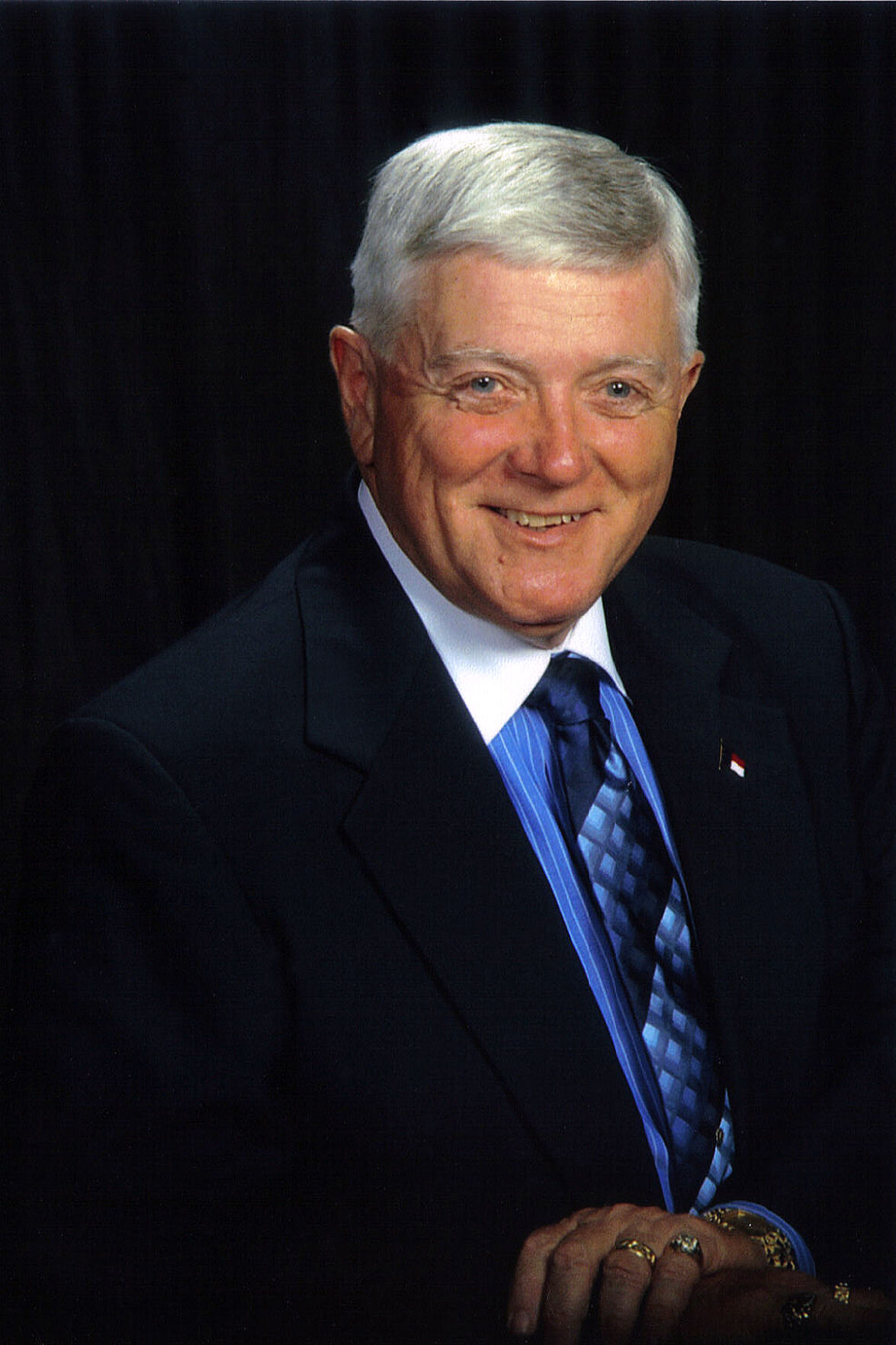
Johnnie Carswell is a former Burke County commissioner and is a past president of the N.C. Association of County Commissioners. He is currently a member of the N.C. Rural Infrastructure Authority.