
Before we pass judgment, let us remember



I have two younger sisters, some nieces, and maybe someday I will have daughters of my own. I hope that whatever they choose to pursue in life, they will be judged by their abilities, their character, and the work they put into achieving their goals.
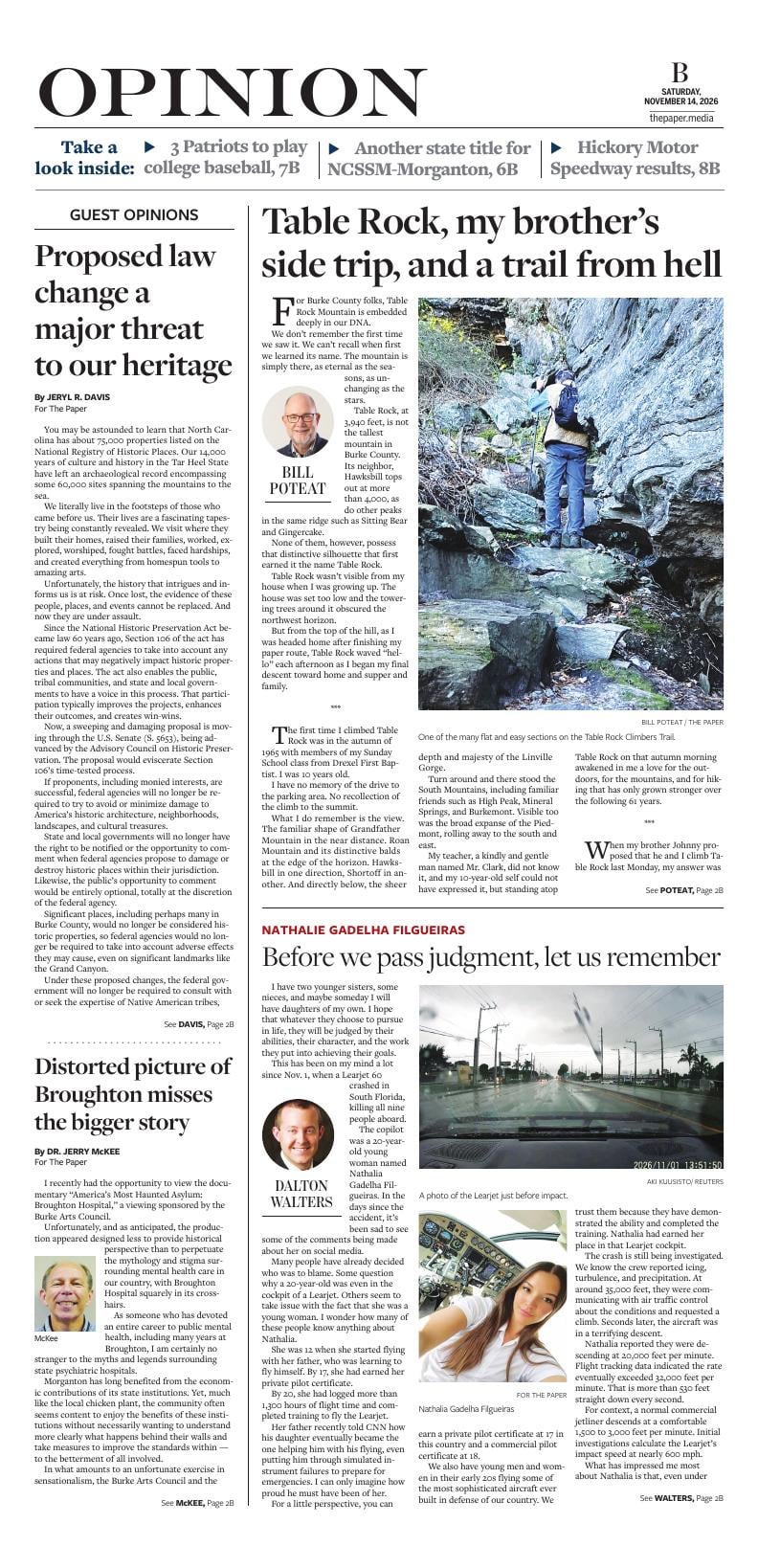
This has been on my mind a lot since Nov. 1, when a Learjet 60 crashed in South Florida, killing all nine people aboard.
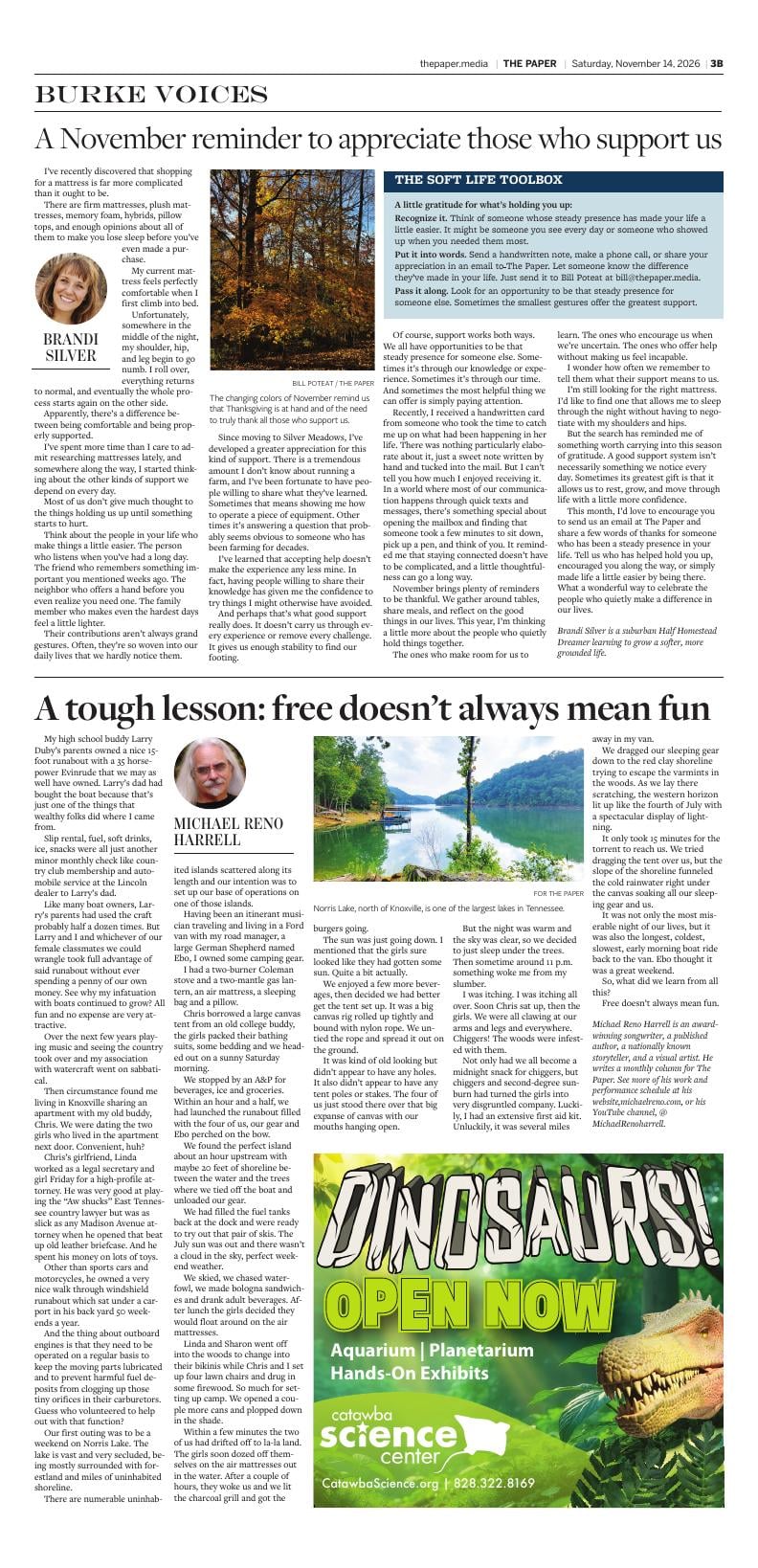
The copilot was a 20-year-old young woman named Nathalia Gadelha Filgueiras. In the days since the accident, it’s been sad to see some of the comments being made about her on social media.
Many people have already decided who was to blame. Some question why a 20-year-old was even in the cockpit of a Learjet. Others seem to take issue with the fact that she was a young woman. I wonder how many of these people know anything about Nathalia.
She was 12 when she started flying with her father, who was learning to fly himself. By 17, she had earned her private pilot certificate.
By 20, she had logged more than 1,300 hours of flight time and completed training to fly the Learjet.
Her father recently told CNN how his daughter eventually became the one helping him with his flying, even putting him through simulated instrument failures to prepare for emergencies. I can only imagine how proud he must have been of her.
For a little perspective, you can earn a private pilot certificate at 17 in this country and a commercial pilot certificate at 18.
We also have young men and women in their early 20s flying some of the most sophisticated aircraft ever built in defense of our country. We trust them because they have demonstrated the ability and completed the training. Nathalia had earned her place in that Learjet cockpit.
The crash is still being investigated. We know the crew reported icing, turbulence, and precipitation. At around 35,000 feet, they were communicating with air traffic control about the conditions and requested a climb. Seconds later, the aircraft was in a terrifying descent.
Nathalia reported they were descending at 20,000 feet per minute. Flight tracking data indicated the rate eventually exceeded 32,000 feet per minute. That is more than 530 feet straight down every second.
For context, a normal commercial jetliner descends at a comfortable 1,500 to 3,000 feet per minute. Initial investigations calculate the Learjet’s impact speed at nearly 600 mph.
What has impressed me most about Nathalia is that, even under those circumstances, she continued communicating with air traffic control, declaring an emergency and reporting their speed and descent rate.
As chilling as it is to listen to that recording from the comfort of our homes, imagine what it must have been like to be sitting where she was.
The captain, 55-year-old Jeffrey Gregory, has also received criticism. A man’s voice can be heard in the background of the radio transmissions reciting the Lord’s Prayer.
Gregory was an experienced pilot, a husband, a father, and a man of deep faith. I have seen comments suggesting he had given up on flying the airplane because he was praying. I don’t know how anyone could make that determination from a radio transmission.
A man can pray while doing everything in his power to save an airplane and the people aboard it. I would imagine a good many of us might find ourselves praying under those circumstances.
Here in Burke County, we have a wonderful aviation community. I have been fortunate to be a part of it for almost my entire life.
One of the things I love about aviation is seeing the excitement on a young person’s face when they get the opportunity to go flying. I remember that excitement myself.
I would hate to think that any of my sisters, nieces, or future daughters could spend years working toward a dream, accomplish something they were proud of, and then have their abilities questioned simply because of their age or because they were women.
There will be a time to discuss what went wrong on Nov. 1. The National Transportation Safety Board will work to determine what happened and what can be learned from it. Those findings may very well help save lives in the future.
In the meantime, I think we owe Nathalia and Jeff a little more grace than some have been willing to give them. We owe that to their families, too.
One of my favorite aviation poems is “High Flight,” written in 1941 by John Gillespie Magee Jr., a young American fighter pilot serving with the Royal Canadian Air Force who lost his life in a flying accident at 19, just a few months after writing it. I encourage you to read it. It begins:
“Oh! I have slipped the surly bonds of Earth
And danced the skies on laughter-silvered wings...”
Somewhere here in Burke County, there is probably a little girl who looks up every time an airplane passes overhead and dreams of someday flying one herself. I hope she pursues that dream.
And I hope that if she ever finds herself sitting in the right seat of a Learjet, she will be judged by the same standards as the person sitting beside her.
My heart goes out to the families of Nathalia, Jeff, and the seven passengers who lost their lives that day. I hope we will remember them with the kindness and compassion we would want for our own loved ones.
And for Nathalia and Jeff, I hope the last words of Magee’s poem hold true:
“And, while with silent lifting mind I’ve trod
The high untrespassed sanctity of space,
Put out my hand, and touched the face of God.”
Dalton Walters is a sales executive with Mimosa Insurance Agency. A native of Morganton, he is a graduate of Appalachian State University and is extremely active in the community.