Most Americans are familiar with words such as racism, sexism, and ageism. These terms describe forms of prejudice and discrimination that have shaped our society for generations.
Yet there is another form of discrimination that remains largely unfamiliar to the general public, despite its profound effects on millions of Deaf and hard-of-hearing Americans.
It is called audism
The term was coined in 1975 by Deaf scholar Tom Humphries, who defined it as the belief that a person is superior based on the ability to hear or to behave like someone who hears.
At its core, audism is the assumption that hearing people are inherently more capable, intelligent, independent, or qualified than Deaf people simply because they can hear.
However, audism is far more complicated than someone openly declaring that a Deaf person is inferior. It often operates quietly, disguised as concern, professional judgment, institutional tradition, or even good intentions.
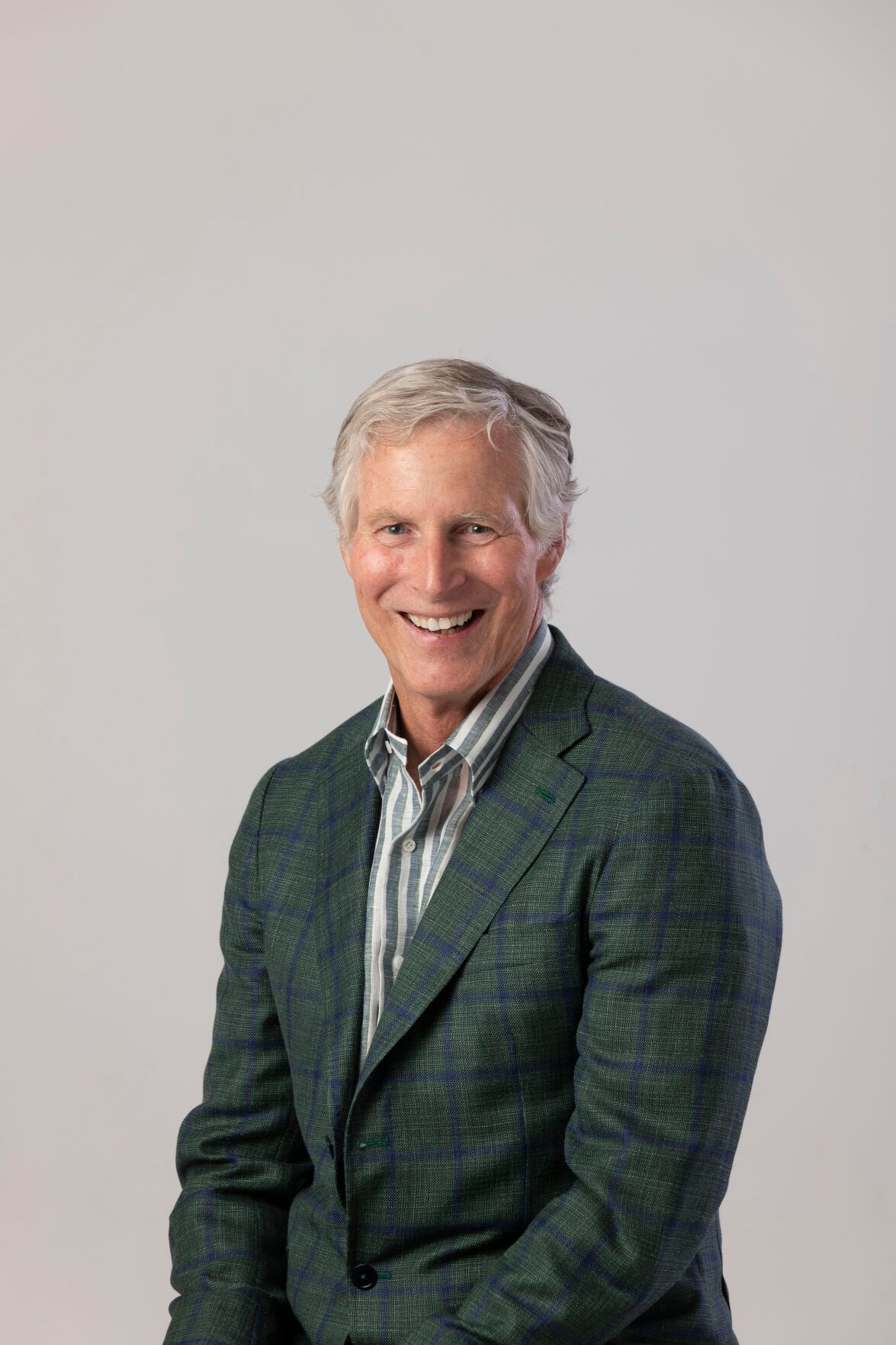
As a Deaf individual who has spent years working in industrial environments, participating in leadership, and advocating for accessibility and civil rights, I have come to recognize that some of the greatest obstacles facing Deaf people are not caused by deafness itself. They are created by society’s assumptions about what Deaf people can and cannot accomplish.
To understand this problem, we must examine two important forms of audism: external audism and internalized audism.
External Audism: When Society Sets the Limits
External audism occurs when prejudice, discrimination, or unequal expectations originate from other people or the institutions surrounding Deaf individuals.
Sometimes it is obvious. A qualified Deaf applicant is denied employment because an employer assumes communication will be too difficult.
A Deaf employee is passed over for promotion because management believes a hearing person would be better suited for leadership.
A Deaf student is discouraged from pursuing an ambitious career because an educator doubts their potential.
Other times, external audism is subtle.
Consider a Deaf employee who has spent years mastering a trade, demonstrating reliability, maintaining excellent workmanship, and helping coworkers solve complex problems.
When a supervisory position becomes available, management overlooks that employee, not because of poor performance or a lack of qualifications, but because of uncertainty about how a Deaf person would communicate with a hearing workforce.
Perhaps no one says anything discriminatory. Perhaps management even praises the employee as an outstanding worker.
Yet the opportunity goes to someone else.
This is precisely how audism can survive within otherwise respectable organizations.
A Deaf person may be considered capable enough to perform demanding technical work, but somehow not capable enough to supervise the people performing that same work.
The problem is not necessarily the individual’s qualifications. It is the employer’s inability to imagine leadership beyond a hearing-centered environment.
Audism also appears when interpreters are unavailable for important meetings, training is conducted without accessible communication, or decisions affecting Deaf individuals are made without their meaningful participation.
These practices do more than inconvenience people. They deprive individuals of information, professional development, networking opportunities, and the visibility often necessary for advancement.
Over time, the consequences become substantial.
Internalized Audism: When Prejudice Becomes Self-Doubt
Perhaps one of the most troubling consequences of audism occurs when Deaf individuals begin accepting society’s negative assumptions about themselves.
This is known as internalized audism.
Imagine growing up repeatedly hearing, through speech, writing, or other forms of communication, that certain occupations are too difficult for Deaf people, that leadership requires hearing, or that success depends on functioning as much like a hearing person as possible.
Eventually, those messages can become deeply embedded in a person’s understanding of their own potential.
A Deaf student may abandon aspirations of becoming a physician, attorney, engineer, or public official before ever exploring the necessary education.
A skilled Deaf employee may hesitate to apply for management because previous experiences have convinced them that rejection is inevitable.
A Deaf individual may even begin believing that other Deaf people are less capable simply because they use American Sign Language rather than spoken English.
This last example deserves particular attention.
Audism is not practiced exclusively by hearing people. Deaf individuals can perpetuate audistic attitudes toward other Deaf individuals, particularly when speech ability, residual hearing, educational background, or perceived conformity to hearing norms becomes the standard by which intelligence and worth are measured.
Our community is diverse. Some Deaf people communicate primarily through American Sign Language. Others use spoken language, written English, cochlear implants, hearing aids, or combinations of communication methods.
None of these differences should determine an individual’s dignity, intelligence, or leadership potential.
Internalized audism does not mean that Deaf individuals are responsible for the discrimination they experience. Rather, it illustrates the lasting psychological and social consequences of repeatedly encountering diminished expectations.
When society continually tells people what they cannot become, some eventually stop asking what they could become.
The Invisible Ceiling: Advancement, Leadership, and Prestige
One of the most damaging consequences of audism is the quiet exclusion of Deaf people from positions of authority, professional prestige, and institutional influence.
We often discuss accessibility in terms of interpreters, captioning, and communication accommodations. Those things are essential, but accessibility must extend beyond allowing someone to enter a building, attend a meeting, or perform a job.
True equality includes the opportunity to advance
A Deaf employee should not have to remain at the bottom of an organization’s hierarchy simply because supervisors are uncomfortable with alternative communication methods.
A Deaf educator should have a fair opportunity to become a principal, superintendent, or educational administrator.
A Deaf professional should be considered for executive leadership, board appointments, and public recognition based on qualifications rather than assumptions about hearing ability.
And Deaf individuals should not be relegated indefinitely to advisory roles while hearing individuals retain nearly all meaningful decision-making authority over programs intended to serve them.
There is an important distinction between being invited to the table and being trusted to lead the discussion.
The National Deaf Center on Postsecondary Outcomes has documented persistent employment and earnings disparities between Deaf and hearing Americans. Its research also identifies systemic barriers that can interfere with career advancement.
These disparities cannot all be attributed to audism alone. Educational access, economic circumstances, additional disabilities, and other factors also matter. Nevertheless, discriminatory attitudes and inaccessible professional environments are recognized obstacles to equal opportunity.
The consequences extend beyond individual paychecks.
Promotions bring greater responsibility, influence, financial stability, and professional recognition. Leadership positions create pathways to mentorship, community influence, and institutional change.
When Deaf people are systematically overlooked, society loses more than their individual contributions. It loses potential supervisors, executives, educators, innovators, and public servants.
And perhaps most importantly, younger Deaf generations lose opportunities to see people like themselves occupying positions of genuine authority.
Representation matters, but representation without power is often little more than symbolism.
When Good Intentions Become Discrimination
Not every act of audism originates from hostility.
Sometimes it begins with a well-intentioned statement:
“We don’t want to put too much pressure on you.”
“That position requires a lot of communication.”
“We thought this assignment might be easier for someone who can hear.”
“We’re just looking out for your best interests.”
Such statements may sound compassionate. But when they are used to limit opportunities without evaluating a Deaf person’s actual abilities or considering reasonable accommodations, they become barriers disguised as kindness.
This is sometimes described as paternalism: the assumption that someone else knows what is best for a Deaf individual without allowing that person to make informed decisions.
There is nothing compassionate about denying someone the opportunity to succeed or fail on equal terms.
Deaf people do not need society to lower expectations for them.
They need society to remove unnecessary barriers so their abilities can be evaluated fairly.
How Do We Break the Cycle?
Combating audism begins with recognizing that communication differences are not the same as intellectual or professional deficiencies.
Employers should evaluate Deaf applicants and employees using the same legitimate, job-related standards applied to everyone else. Communication requirements should be examined carefully to determine whether they are genuinely essential or merely reflect longstanding habits.
Organizations should provide effective communication access not only during hiring and routine work, but also during training, leadership development, performance evaluations, and promotional opportunities.
Educational institutions must encourage Deaf students to pursue ambitious careers rather than allowing outdated assumptions to dictate their futures.
Government agencies and organizations serving Deaf populations should actively cultivate qualified Deaf leadership rather than treating Deaf participation as a ceremonial obligation.
And within the Deaf community, we must confront our own prejudices concerning language, educational achievement, communication preferences, and personal identity.
We cannot demand equality from hearing society while reproducing similar hierarchies among ourselves.
Mentorship is especially important. Deaf children and young professionals benefit from seeing successful Deaf adults working as managers, scientists, attorneys, business owners, educators, and policymakers.
Opportunity creates achievement. Achievement creates visibility. Visibility challenges prejudice.
But none of this requires lowering professional standards. It requires ensuring that those standards measure actual competence rather than an individual’s ability to conform to hearing expectations.
A Question Worth Asking
The next time a Deaf employee is passed over for promotion, a Deaf professional is excluded from a leadership discussion, or a Deaf student is discouraged from pursuing an ambitious goal, we should ask a simple question:
Was this decision based on the individual’s actual qualifications, or on assumptions about what a Deaf person can accomplish?
That question may make some people uncomfortable. It should.
Progress often begins when we become willing to examine attitudes that have gone unquestioned for generations.
I am not suggesting that every disappointment, denied promotion, or professional disagreement involving a Deaf person constitutes audism. Qualifications, experience, performance, and legitimate job requirements matter.
But hearing ability should never become an unspoken qualification for intelligence, leadership, prestige, or success.
For too long, Deaf people have been expected to demonstrate that they are capable of participating in a hearing world.
Perhaps it is time for the hearing world to demonstrate that it is capable of recognizing Deaf excellence.
Because the greatest limitation facing Deaf people is not always what they cannot hear. Sometimes it is what others refuse to see.