
Big business in treating pets like family
Some Burke pet owners open their wallets for premium care

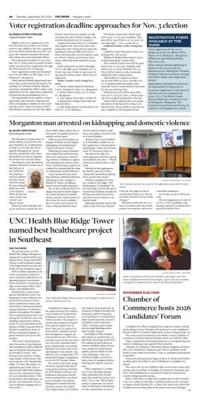
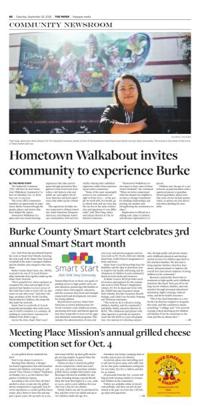
Paws & Claws co-owner Lisa Gavin and staff member Kenzie Franklin engage canine Stella in some outdoor exercise.
One of the luxury packages at the daycare is a frozen yogurt treat, a cookie, a storybook read aloud by a staff member, and a kiss good night, and it’s only $10 on top of the bill. But it’s not for your kid — it’s for your dog.
“People don’t bat an eye,” said Lisa Gavin, manager and co-owner of Paws & Claws of Morganton. “It’s sort of, ‘Whatever you need to do to keep my dog happy.’”
Gavin told The Paper that this sentiment has been fueling a nationwide pattern for well over a decade: People are treating pets more and more as family – and even as human surrogates – all while backing it up with their wallets.
As of 2025, there were 95 million pet-owning households in the U.S., according to American Pet Products Association (APPA) data, and the number has been steadily rising for more than a decade. More than half of pet owners reported owning dogs, according to APPA.
Meanwhile, pet-related expenditures in the U.S. reached $158 billion in 2025 and are expected to continue growing as well, according to the APPA.
While experts attribute the economic growth to increased pet ownership, Gavin said she has noticed locally that pet owners seem to be more willing to spend money on their pets than in the past.
With more pets, particularly more dogs, Paws & Claws’ business has grown considerably in the past decade, Gavin said.
“People are definitely treating their pets more like family than ever before,” she said. “People are choosing to not have children or waiting longer to have children, so their pets become their children.”
When it comes to grooming and boarding, pet owners seem to have few qualms about spending big on their pets.
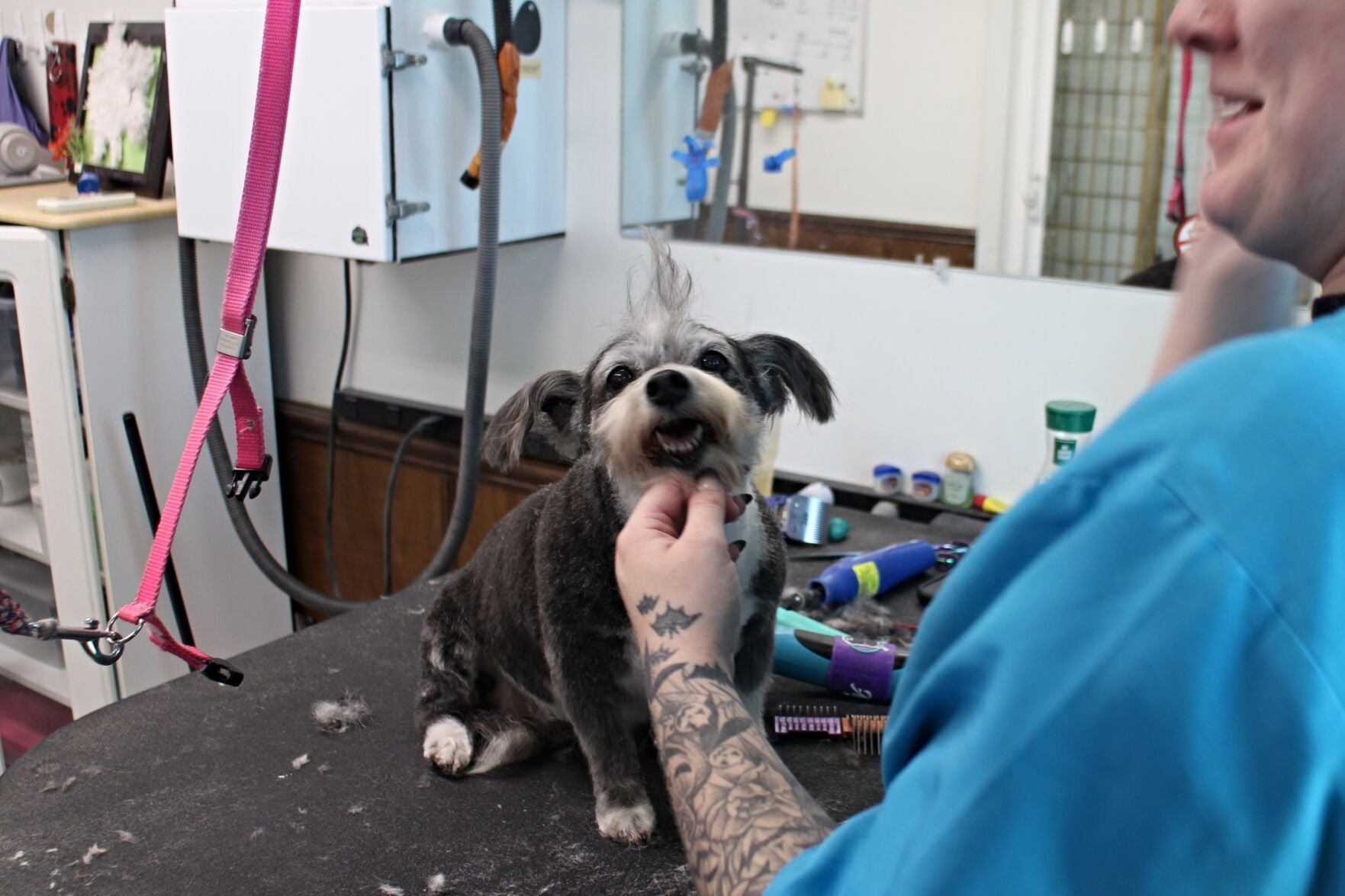
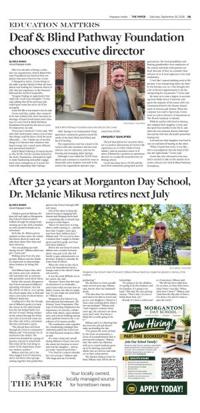
Grooming client Zip is styled by Kayla Williams at Paws & Claws, a pet grooming, daycare, and boarding facility in Morganton.
At Paws & Claws, the most inexpensive grooming option for a full-grown dog is $61, and the price goes up from there. The facility’s daycare program is “just like a children’s daycare,” Gavin said, complete with group play activities, puzzles, snacks, and nap time.
That program starts at $35 per day, while boarding in a standard 5-by-5-foot suite long term is $52 per day. Premium 5-by-10-foot suites are $71 per day.
When you put together a long-term stay, grooming, day-care service and special enrichment packages like the kiss good night, the bill adds up quickly. Gavin said one of the largest bills she charged was upwards of $1,600.
This willingness to pay doesn’t come without an expectation of a higher level of care, Gavin said. This is evidenced by the change in customers’ questions in the past few years.
“It used to be something as simple as ‘How many times is my dog going out per day,’” she said. “Now it’s ‘can I have pictures of my dog, I want videos of what my dog is doing during the day… how much interaction does my dog have with a person?’”
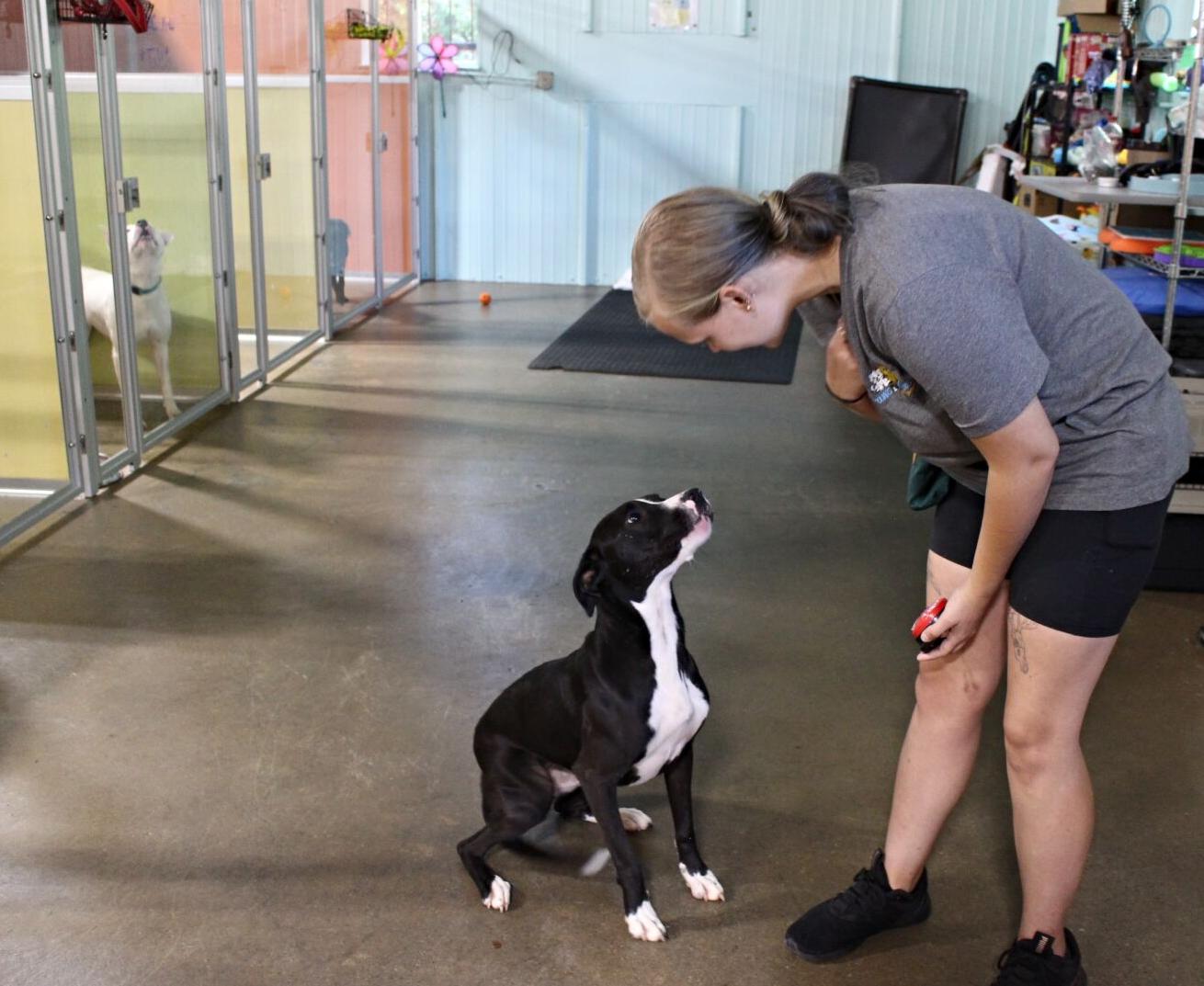
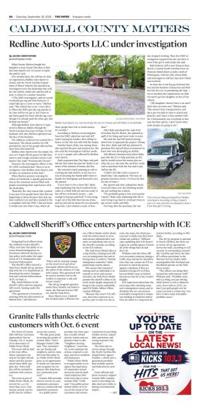
Kenzie Franklin is shown in a training session with Venus, a canine client of Paws & Claws in Morganton.
ADVANCED VETERINARY MEDICINE
Dr. Don Hemstreet, who founded Morganton Animal Clinic in 1972 and still practices there, said the cost of veterinary medicine has gone up dramatically, but so has pet owners’ willingness to pay.
Office calls that were $5 or $6 when he began practicing are now $50 or $60. Technology has changed as well, with surgeries now using more advanced anesthesia and heart monitors, he said. With better resources, pets can now have advanced surgeries like heart valve replacements and cataract removal.
“You can go over to Charlotte and have braces put on dogs,” he said. “And you’ve got all these specialists. You’ve got cardiologists, you’ve got neurologists, you’ve even got psychologists.”
Especially when it comes to cancer, the sky is the limit for how much can be spent on extending an animal’s life, said Hemstreet.
One thing hasn’t changed, he said: People’s relationships with their pets run deep, and when push comes to shove, they’ll spend a lot of money on them, especially when the pet is connected to another person who is now gone.
Hemstreet related the story of one customer who brought in a dog that had belonged to their child who died from leukemia months before. That dog was the last connection the parent had to the child.
Hemstreet said he has worked with homeless people who own dogs and has watched them give their dogs the only food they have.
“I see what these dogs and cats mean to people,” he said. “For a lot of these people, these pets are the only thing they have left.”
Historically in Burke County, Hemstreet said, the only big money being spent on pets was for working or hunting dogs, with farmers and hunters often paying up to several thousand dollars for a good shepherd dog, bear hound, or coon hound.
“I remember the first time I ever really saw a man cry was almost 50 years ago; a guy had to put an old coon hound down,” he said. “This guy just wept like a baby.”
Hemstreet said that was one of his first glimpses at how much people’s pets mean to them.
In terms of the cost in 2026, Hemstreet said he has seen people spend “thousands and thousands of dollars” on pet care.
“Some have the money to do it and don’t blink an eye. If you’ve got it to spend, that’s fine,” he said. “If you don’t, we try to work with people as much as we can.”
When it is time to say goodbye to a pet, Hemstreet offers owners the same words of comfort he has shared for decades.
“I think they’re gifts from God,” he said. “When I put one down, I always say, ‘It’s a gift from God, and we give them back with thanks.’”