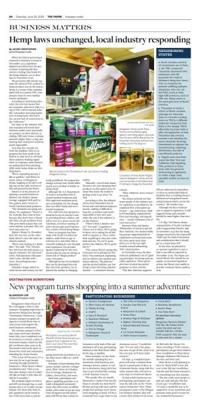



Morganton Hemp owner Shaun Simons, surrounded by pipes, lighters, and rolling papers, discusses how his store will be affected by the November hemp laws and how he is holding out for the long run.
When the federal government returned to business as usual in November 2025, legislators slipped a provision into the government reopening bill that started a ticking time bomb for the hemp industry, set to detonate in November 2026.
The provision will strictly regulate the allowed THC content in hemp products across the nation. Hemp is a strain of the cannabis plant with less potent THC components than its more familiar cousin, marijuana.
According to local hemp advocates, the new law means that any container with more than 0.4 mg of THC will be banned federally. Lawmakers pursuing legislation on hemp have referred to the current lack of restrictions as the “wild west.”
For many in the industry, this new standard will wreck their business model, since practically any product on their shelves, including CBD-only items, contains amounts higher than 0.4 mg, and meeting that restriction would be nearly impossible.
Less than five months out from the deadline, little to no progress has been made at the federal or state level to roll back these industry-shaking regulations. In response, some farmers are pulling back from planting, while some hemp shops are doubling down.
“We’re expanding because I like to gamble,” said Shaun Simons, owner of Morganton Hemp, laughing as he laid a rolling tray on the table in front of him and ground hemp flower.
Simons is in the process of opening a second location in Hickory, the Hickory Hemp Lounge, equipped with pool tables, games, and a variety of North Carolina-based products.
“The demand’s not going anywhere,” he explained. “There’s a lot of people that come in here because they don’t have a friend who they can get products from. This gives them a place they can come and buy a product they can trust and count on.”
Alpine’s Hemp Co. President and CEO Joe Fox, on the other hand, doesn’t carry the same optimistic outlook.
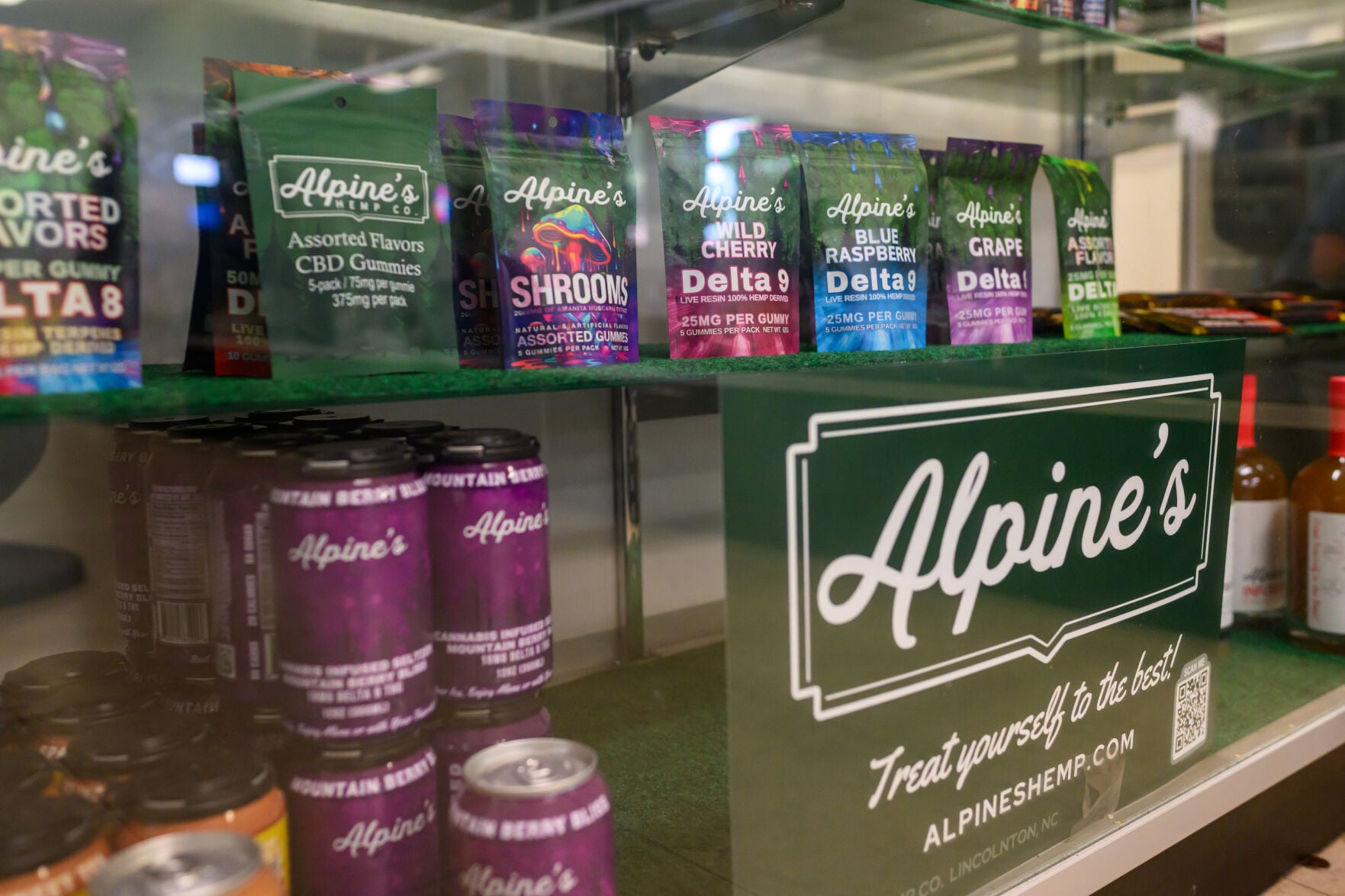
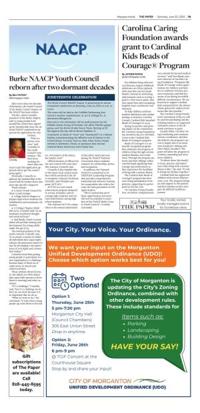
Alpine’s products line the shelves of over 300 stores, including Morganton Hemp.
“We’re now looking at a death date,” Fox said. “The (November) law from the feds means 0.4 mg per container. Pet tinctures? Gone. Full-spectrum CBD gummies? Gone. All that stuff … Gone. Everything becomes Schedule I.”
Schedule I drugs, which include heroin and ecstasy, are federally prohibited. Fox argued the change in hemp laws would affect nearly every product available in hemp shops.
Although the U.S. Department of Justice reclassified state-licensed medical marijuana and FDA-approved marijuana products as Schedule III, the change does not affect hemp and recreational marijuana.
Fox, until now, has operated a hemp farm out of Lincoln County, providing flower, edibles, and oils to over 300 stores across the Carolinas, as well as running Alpine’s Farmacopia and Dispensaries, a chain of local hemp shops.
Since no progress has been made with North Carolina lawmakers, aside from an age restriction of 21 and older that is currently making its way through state legislation, Fox decided against replanting for this year, worried that he may be sitting on a barn full of “illegal product” come November.
Although he has oil stockpiled that can be developed into edibles and other products, he explained the market is changing swiftly.
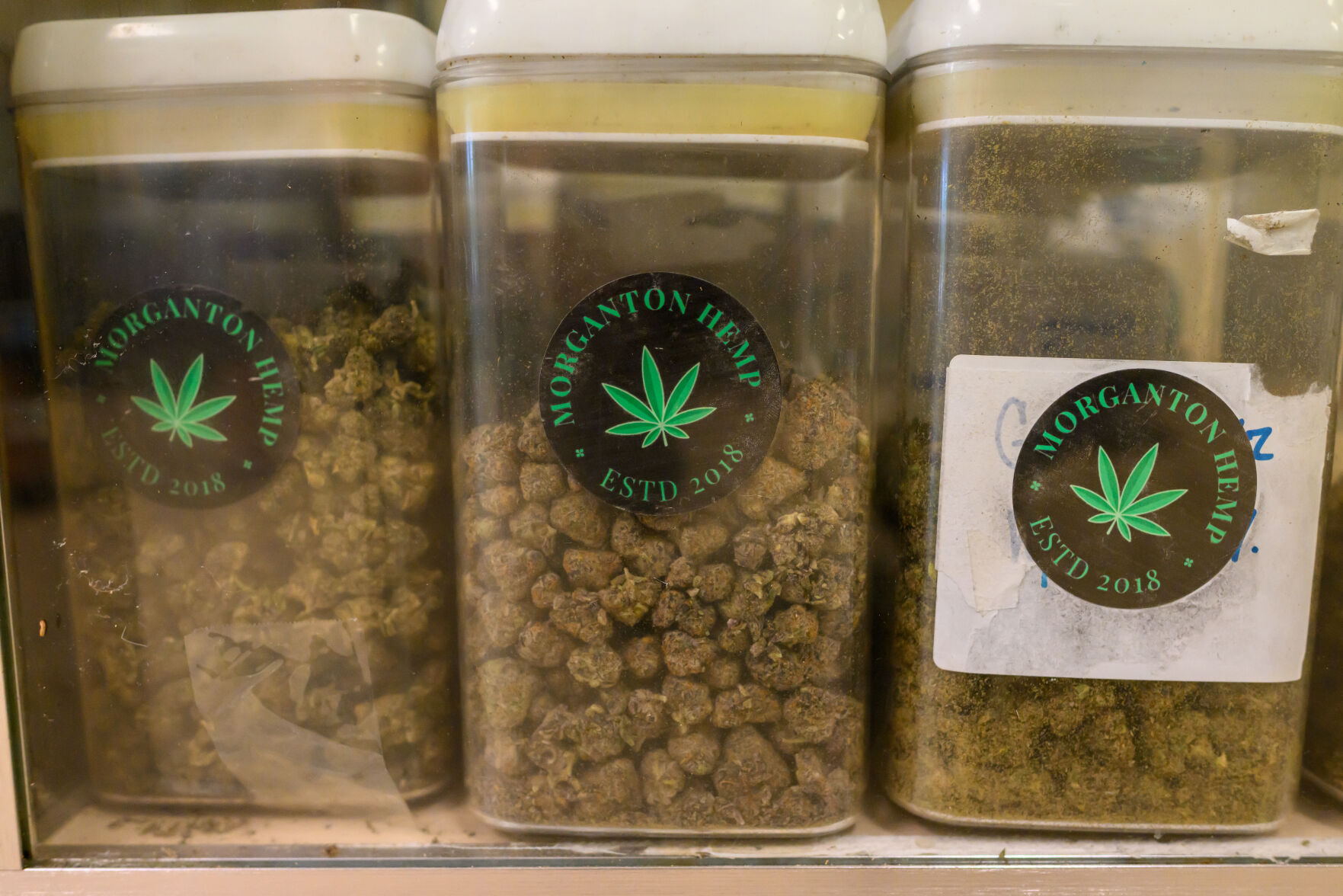
Containers of hemp flower fill glass cases at Morganton Hemp, and will soon be banned at the federal level if nothing is changed by November.
“Basically, (out-of-state manufacturers are) just dumping their products on the market now, because they know the market’s getting ready to go away,” he said.
According to Fox, the delayed action from lawmakers has affected sales and altered employee morale, making it difficult to keep his 14 workers and nearly impossible to hire new ones when the end of the industry is on the horizon.
“There’s been a massive outcry,” Fox said. “(Legislators) choose not to listen. We’re going in there; we’re asking for all this stuff to regulate it. Then, rather than regulating it, they just come back and say, ‘No, we’ve gotta protect the children. We’ve gotta ban it.’”
“The reason they’re saying that is because we’re getting out-lobbied,” Fox continued, explaining that he believes the medical marijuana industry, “big pharma,” and the alcohol industry are lobbying to have the hemp industry banned — a sentiment Simons echoed.
“More lobbyists, more money,” Fox said.
The farmer pointed out that many people in the industry prefer regulation to prohibition. He explained that a four-pillar approach — age restrictions, child-proof packaging, supplemental facts and warnings, and ingredients — would “eliminate a lot of your bad actors.”
Between Wine and Spirits Wholesalers of America and the Beer Institute, two alcohol lobbying groups supporting federal regulations on hemp and cannabis, have spent more than $280,000 in the last eight months toward influencing THC-related policy.
In November 2024, the Beer Institute published a set of “guiding principles” for hemp and cannabis regulation. Those principles have evolved into policy guidance on their website.
“The Beer Institute supports efforts underway by lawmakers to close an unintended federal loophole that is enabling the proliferation of unregulated intoxicating hemp products across the country,” the website says.
Although the Beer Institute says it supports regulation, it still suggests hemp and cannabis should be taxed higher than alcohol.
U.S. Rep. Tim Moore, House representative of North Carolina’s 14th Congressional District, said in November 2025 that the hemp changes inserted in the reopen bill “didn’t get the kind of discussion and consideration that it should get as a stand-alone bill.”
At the time, he planned to co-sponsor legislation to put a halt to the effects expected in November 2026. The Paper contacted Moore this month for an update on potential legislative action, but Moore was unable to provide comment before publication.