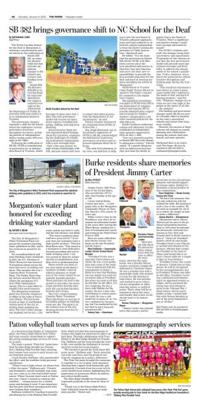



North Carolina School for the Deaf is at 517 W. Fleming Drive, Morganton.
The North Carolina School for the Deaf in Morganton is entering a transformative period, driven by the ratification of Senate Bill 382, an omnibus disaster relief bill that includes significant changes to the school’s governance and funding structure.
Senate Bill 382 allocates $120,000 in recurring funds for legal and administrative support, removes oversight of the school from the Department of Public Instruction (DPI) and confers it to an independent Board of Trustees.
The governance changes represent a shift for the school, which has undergone various governance structures throughout its history, including periods of independence before coming under DPI oversight in the 1980s.
Following the ratification of SB 382, NCSD is transitioning to governance by an independent Board of Trustees, which has been in place since July 1, 2024. This new governance model will oversee all operational aspects, including budgeting, staffing, and long-term planning.
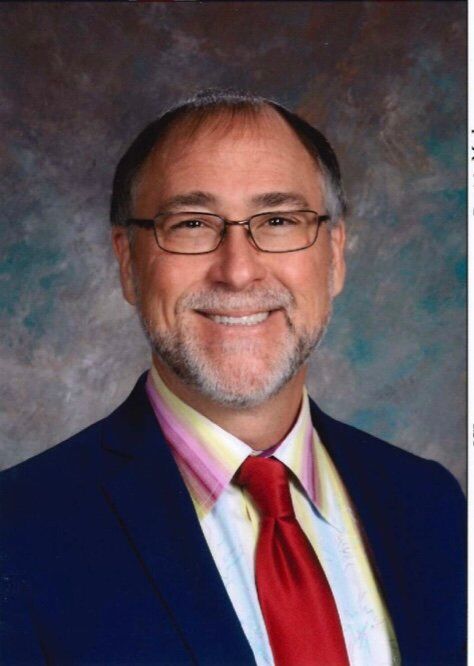
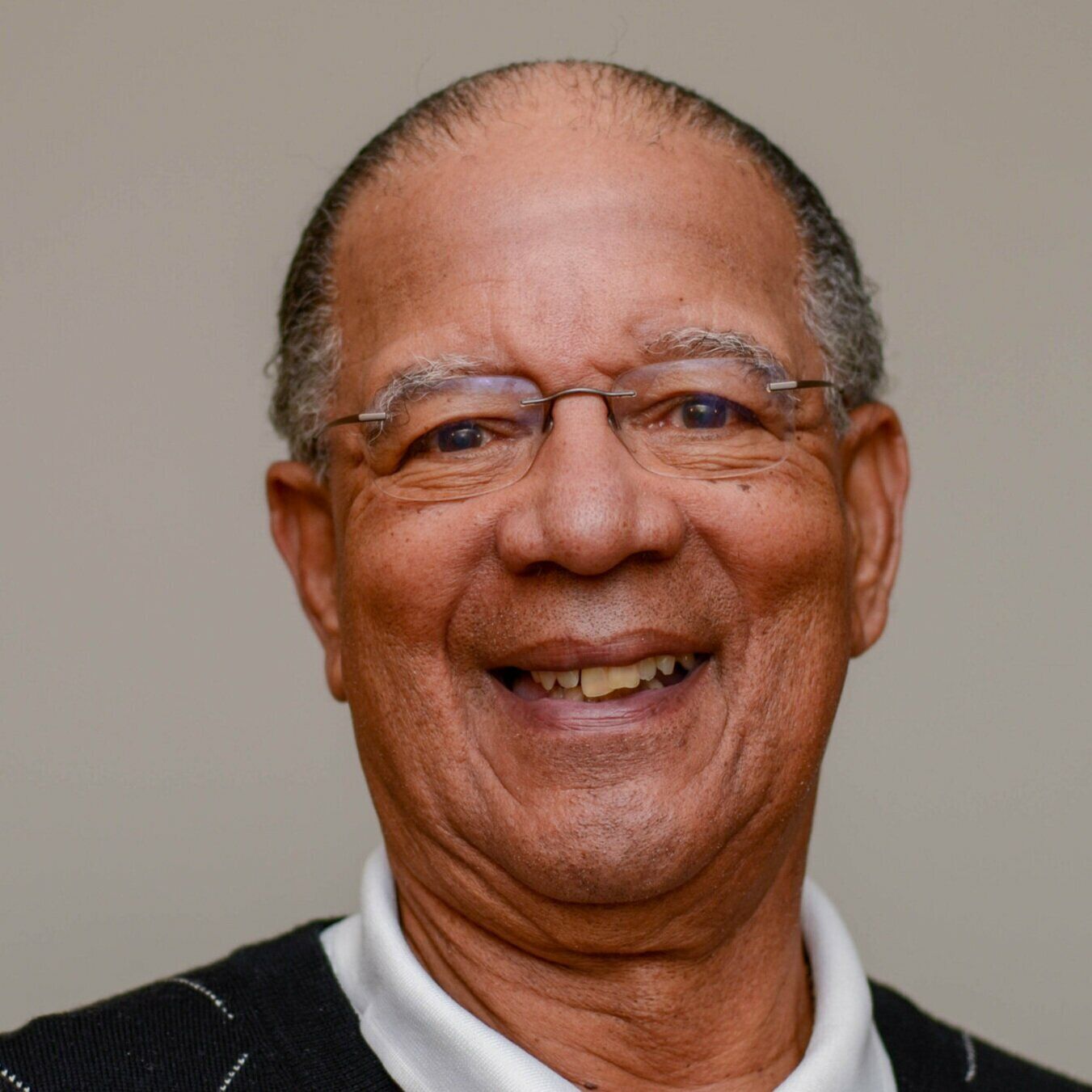
Patrick
School Director Mark Patrick expressed mixed feelings about the transition, emphasizing the challenges of rebuilding institutional relationships with a new oversight body. “Over a five-year period, we built strong relationships with DPI, and now school staff have to restart that entire process with the Department of Administration,” he said.
Patrick recently announced his retirement from NCSD, effective Feb. 1.
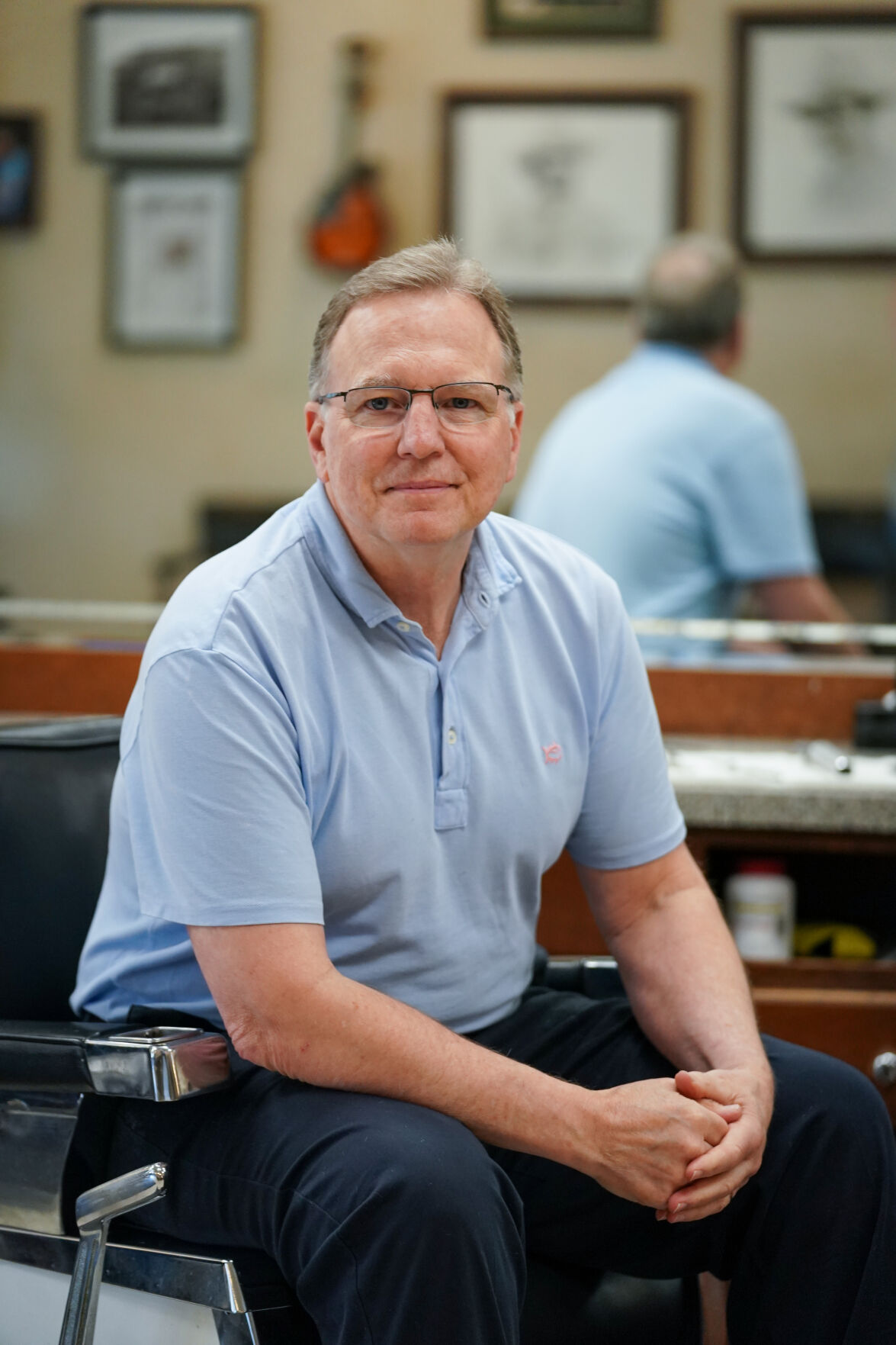
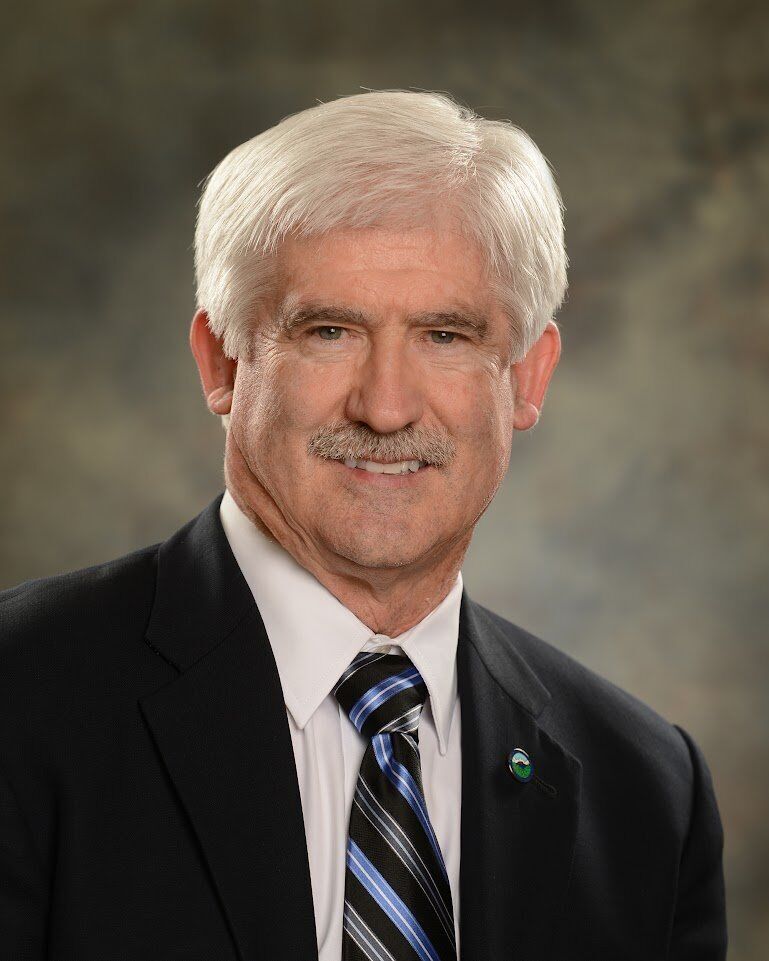
Rep. Hugh Blackwell, one of the primary supporters of NCSD in SB 382, acknowledged the deficiencies in previous governance structures and expressed optimism about the reforms.
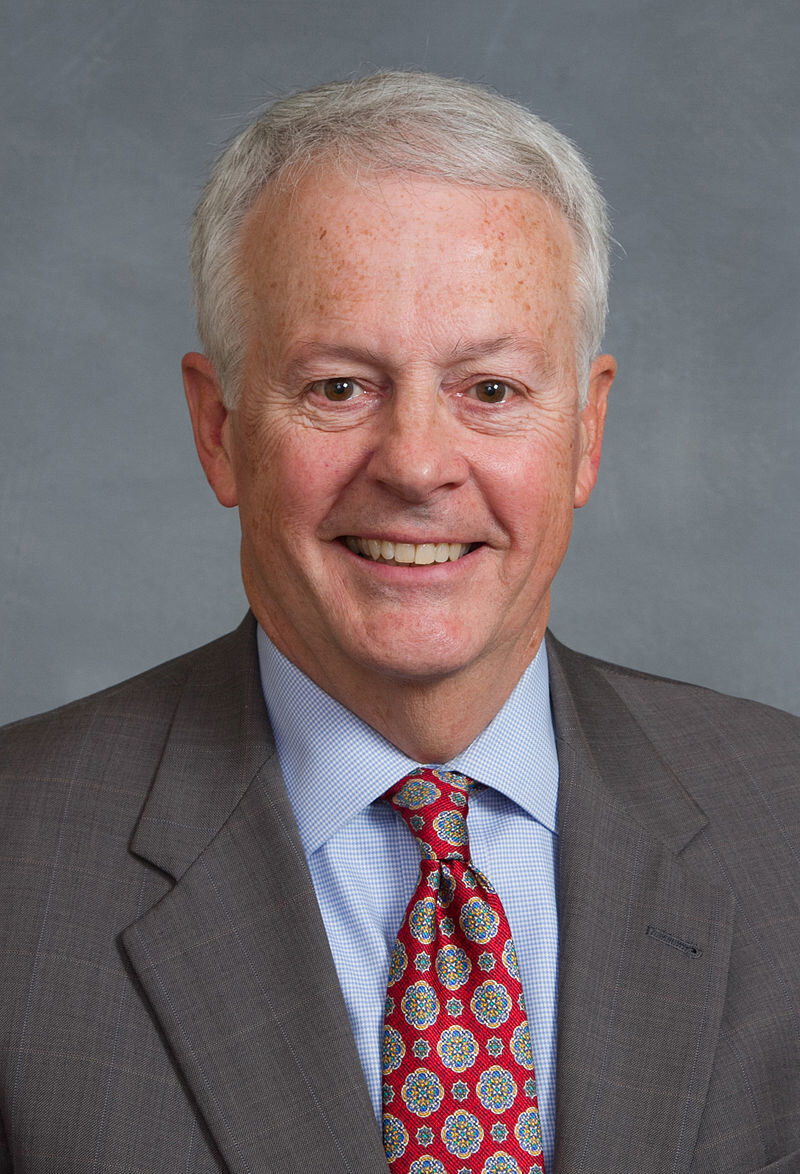
Blackwell
“The state-level planning, in my view, was deficient in helping to give the new Board of Trustees adequate appropriations and legal authority to effectively operate independently from the North Carolina Department of Public Instruction,” Blackwell said.
He added, “It is my hope that the provisions in Senate Bill 382 for NCSD will effectively correct all of the now-identified deficiencies so that they may best function and carry out their new responsibilities to provide the best possible education for the deaf and hard of hearing students attending the school in Morganton.”
NCSD Board of Trustees Chair Sandy Turner did not respond to The Paper’s request for comment on the legislation’s impact.
The legislation transitions oversight of NCSD from DPI to the Department of Administration and requires DPI to provide administrative support and coverage for liability, workers’ compensation, and other essential policies for the 2024-2025 year.
North Carolinas residential schools will ultimately be fully established as independent state agencies supported by DOA on July 1, 2025.
“One very powerful positive in Senate Bill 382 is the change to admissions criteria,” Patrick stated. “If a parent disagrees with an admissions decision, they now have the ability to appeal that to the Board of Trustees. That’s a significant and positive change I would have strongly advocated for myself.”
For NCSD’s students and staff, the changes bring both uncertainty and opportunity. Proponents of the reforms argue that the new governance model will provide more specialized oversight and flexibility to address the unique needs of the school’s population. Critics, however, worry about the potential for administrative disruptions and funding gaps during the transition.
“This transition represents a real chance to create a governance model that’s tailored to the needs of deaf and hard of hearing students,” said Patrick. “Whatever changes are to come we can’t lose sight of the people at the center of all this — the students.”
The funding and governance changes under SB 382 are part of a broader effort to modernize the state’s specialized schools and ensure their long-term viability.
However, the success of these reforms will depend on careful planning and collaboration among the schools, their new boards, and state agencies.
Nathanael Eure is an intern with The Paper. He may be reached at 828-445-8595 or nathanael@thepaper.media.